
Most people hear "Computational Thinking" and assume it means learning to code. It does not.
Computational Thinking (CT) is a way of approaching problems — breaking a large messy problem into smaller pieces, finding patterns, ignoring unnecessary information, and designing a step-by-step solution. It is a thinking skill, not a software skill. You can practice it with pencil and paper, with puzzles, with physical objects — no screen required.
Here is a simple example. Ask a Class 5 student: "How would you find a word in a dictionary?" A child who thinks computationally does not flip pages randomly. They open to the middle, check whether the word comes before or after, discard half the dictionary, and repeat. That is a binary search algorithm — and the child just did it without writing a single line of code.
CT has four components, and the CBSE curriculum builds all four progressively from Class 3:
These are not niche computer science skills. They are the same thinking tools used in mathematics, science, writing, and decision-making. A child who can decompose a problem and design a solution process is better at every subject — not just technology.

Artificial Intelligence is software that learns from examples rather than being told exactly what to do.
Traditional software follows fixed rules: if A, do B. AI is different. You show it thousands of photos of cats and dogs, and it learns to tell them apart — without anyone writing a rule for every possible image. That learning-from-data approach is what makes AI powerful, and also what makes it tricky.
The three types of AI learning the CBSE curriculum introduces to Class 6 students:
For most students, the more important question is not "how does AI work technically" but "how does AI affect me, and how do I use it responsibly." That is why the CBSE curriculum integrates ethics — bias, fairness, privacy, digital footprints — into every year, not as a separate topic at the end.
One example worth discussing with students: an AI trained mostly on data from one city or demographic will perform worse for everyone else.
CBSE is introducing CT & AI as a structured, mandatory curricular area across Classes 3 to 8. It is not a standalone subject — it is embedded into existing subjects and timetables.
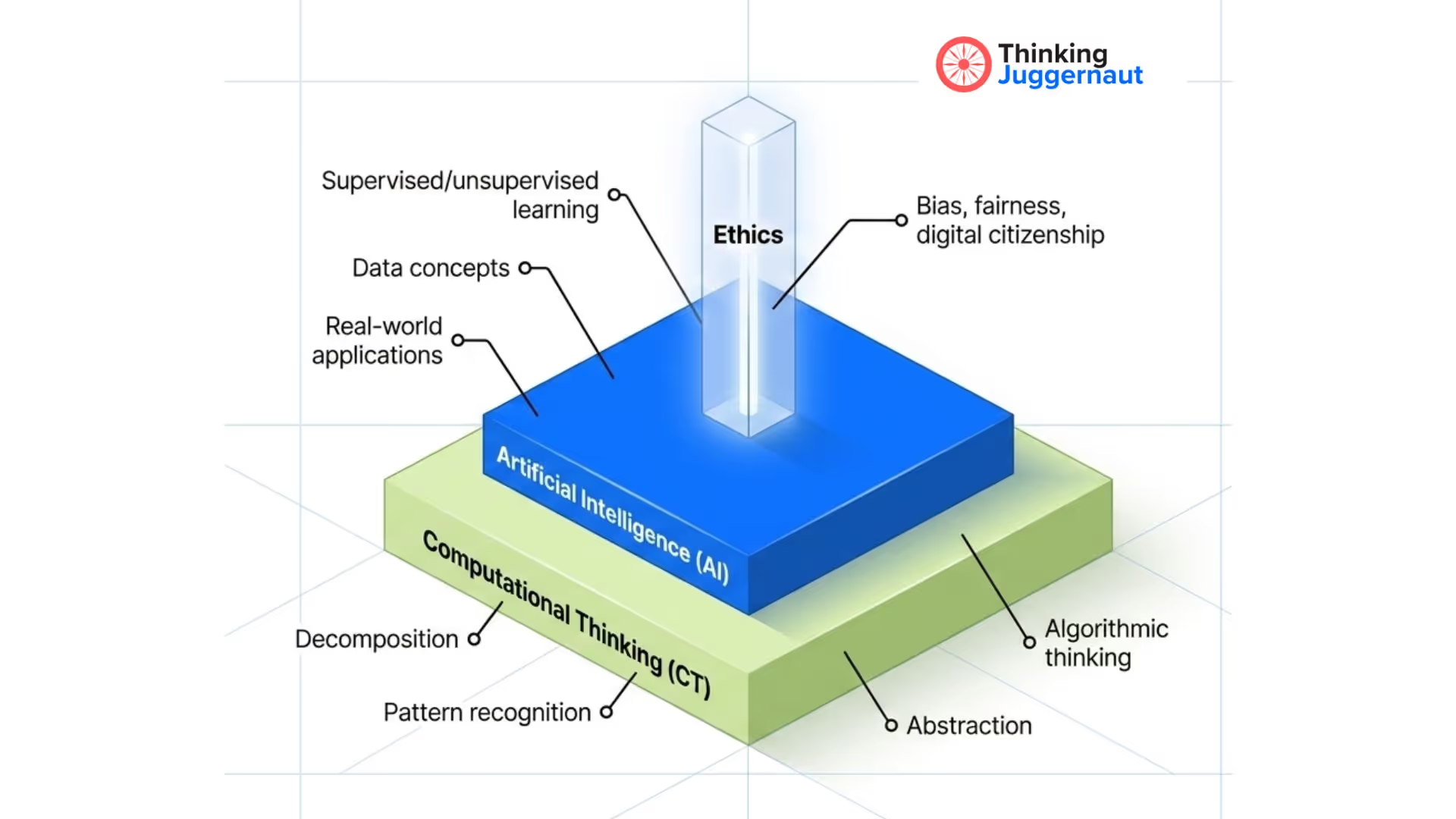
The core idea: Computational Thinking (CT) is the foundation; AI is built on top of it.
CT covers decomposition, pattern recognition, abstraction, and algorithmic thinking. AI covers supervised/unsupervised learning, data concepts, AI ethics, and real-world applications. Ethics — bias, fairness, digital citizenship — is a mandatory part of every class, not an optional add-on.
The full curriculum document was developed with inputs from IIT Madras, MNIT Jaipur, NITTTR Bhopal, and Azim Premji University.
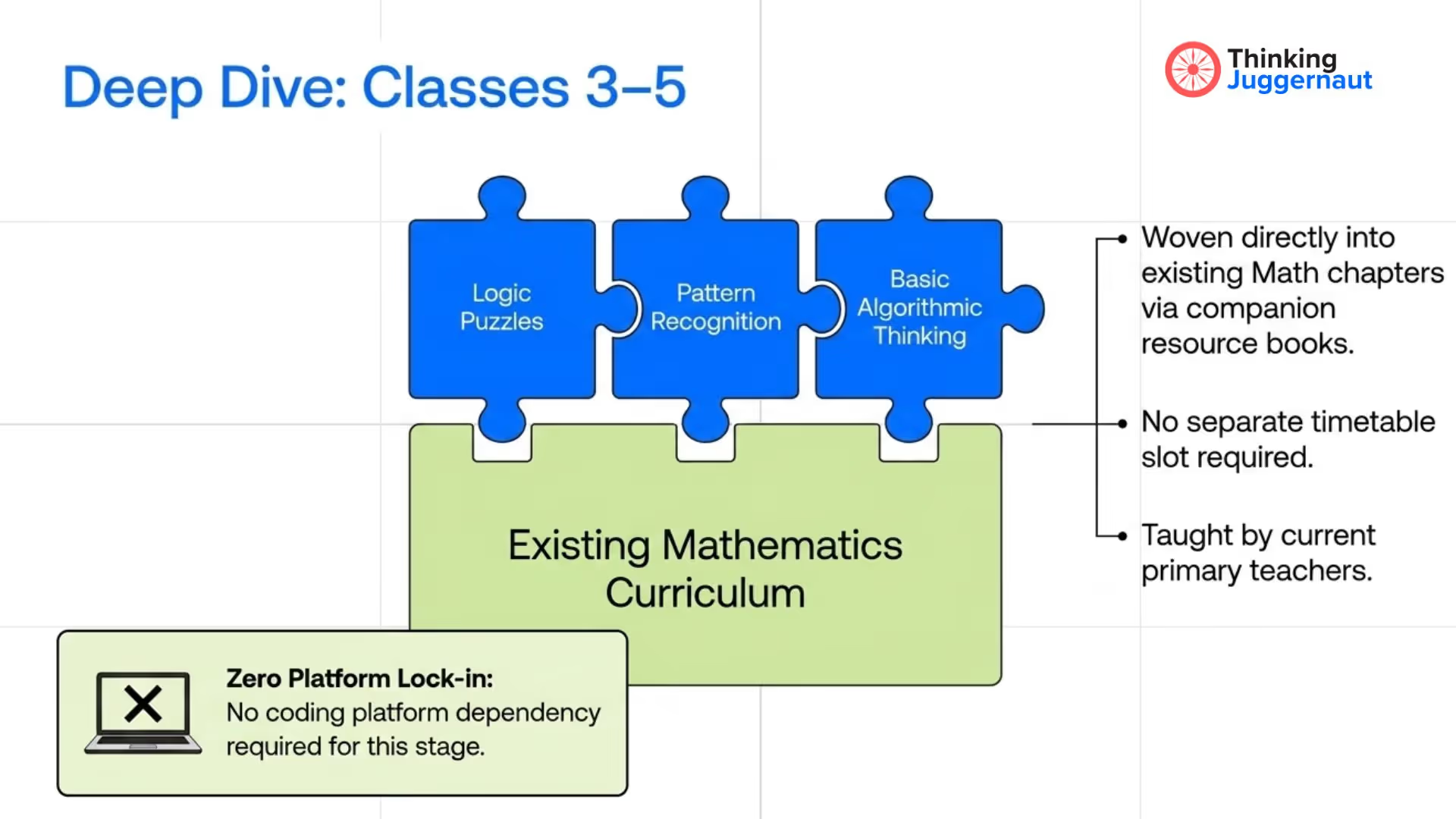
For Classes 3–5, this means CT questions and activities woven into existing Math chapters via resource books — no separate timetable slot needed.
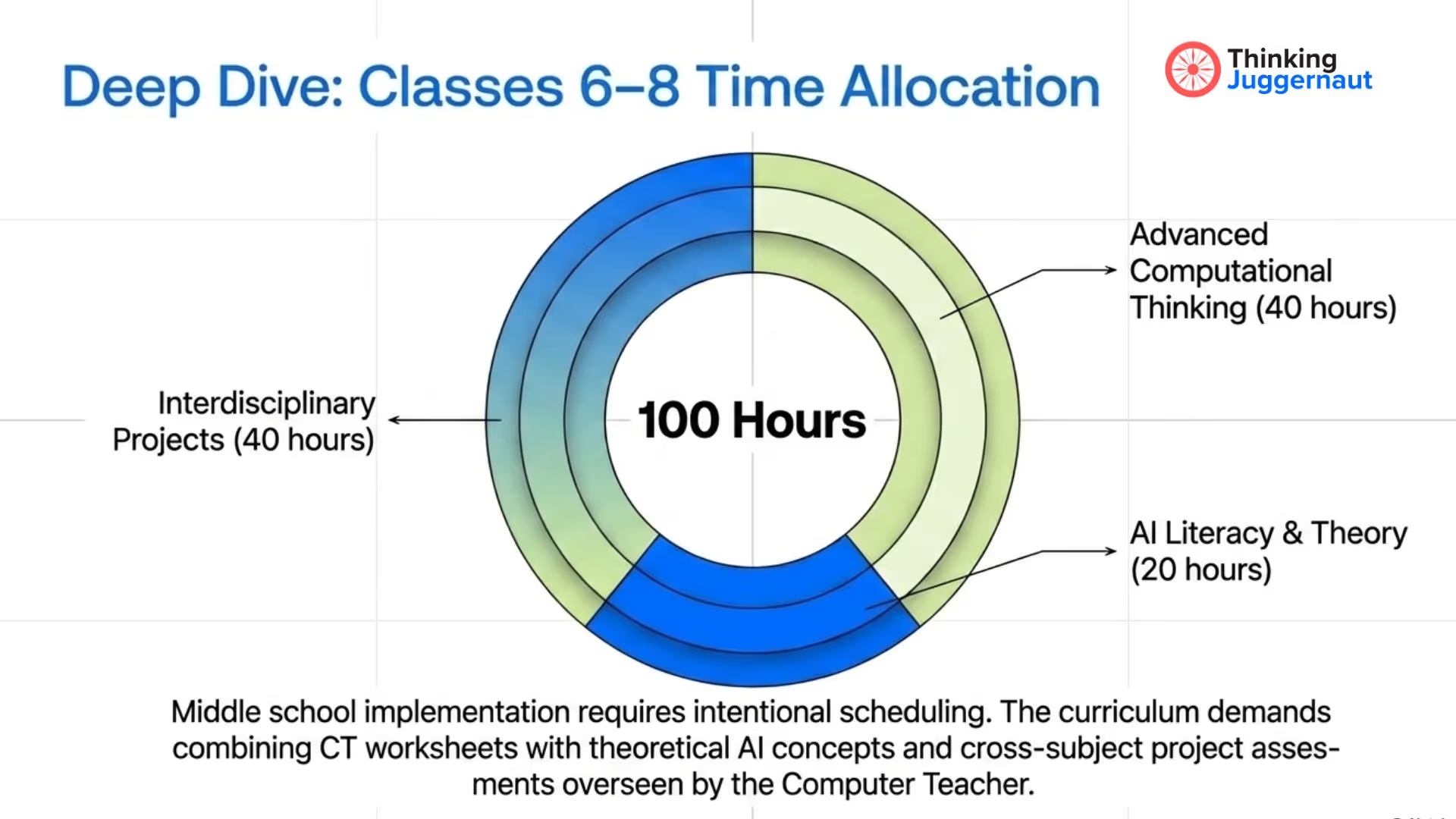
For Classes 6–8, the 100 hours require some intentional scheduling. The curriculum suggests combining CT worksheets with AI theory and cross-subject projects.
Classes 3–5: Mathematics and TWAU subject teachers, using CBSE-provided resource books
Classes 6–8: Subject teachers (for CT) + Computer teacher (for AI Literacy); interdisciplinary projects assessed by the Computer teacher
No specialist AI teacher is required at the primary level. Math teachers take the lead using the companion resource book, which follows the same chapter sequence as the Math textbook. CBSE says: "The subject teacher can seamlessly integrate them into daily instruction."
This is important — and many schools may have missed it.
All other AI courses running for Class IX are discontinued from session 2026–27.
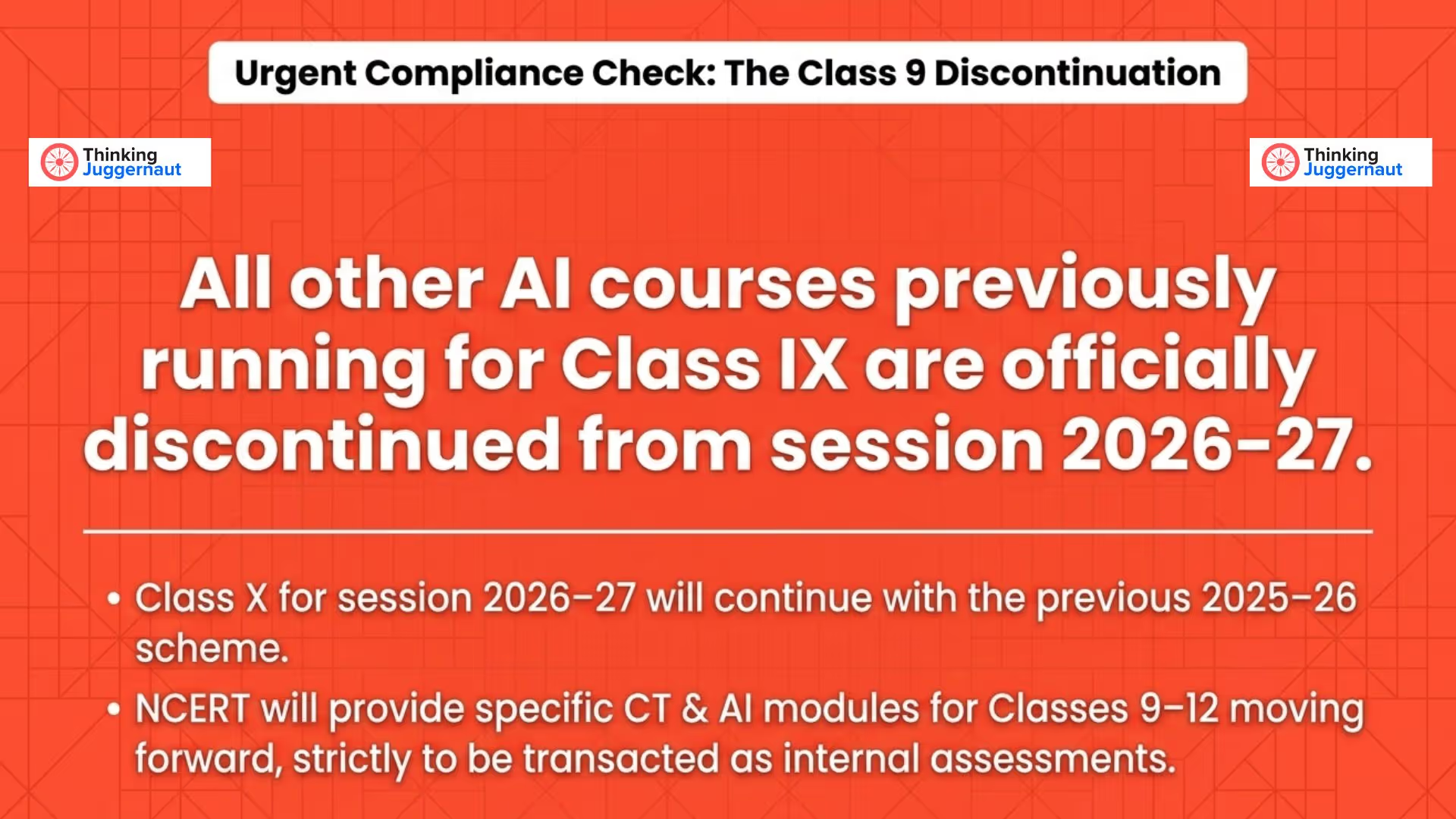
Class X for session 2026–27 continues with the scheme followed in 2025–26. NCERT will provide CT & AI modules for Classes 9–12 for 2026–27, to be transacted as modules for internal assessment.
If your school has been running an AI elective or course for Class 9, check whether it falls under the discontinued category.
Classes 3–5: Logic puzzles, pattern recognition, decomposition of multi-step problems, basic algorithmic thinking. Delivered through worksheets attached to Math chapters. No coding platform dependency.
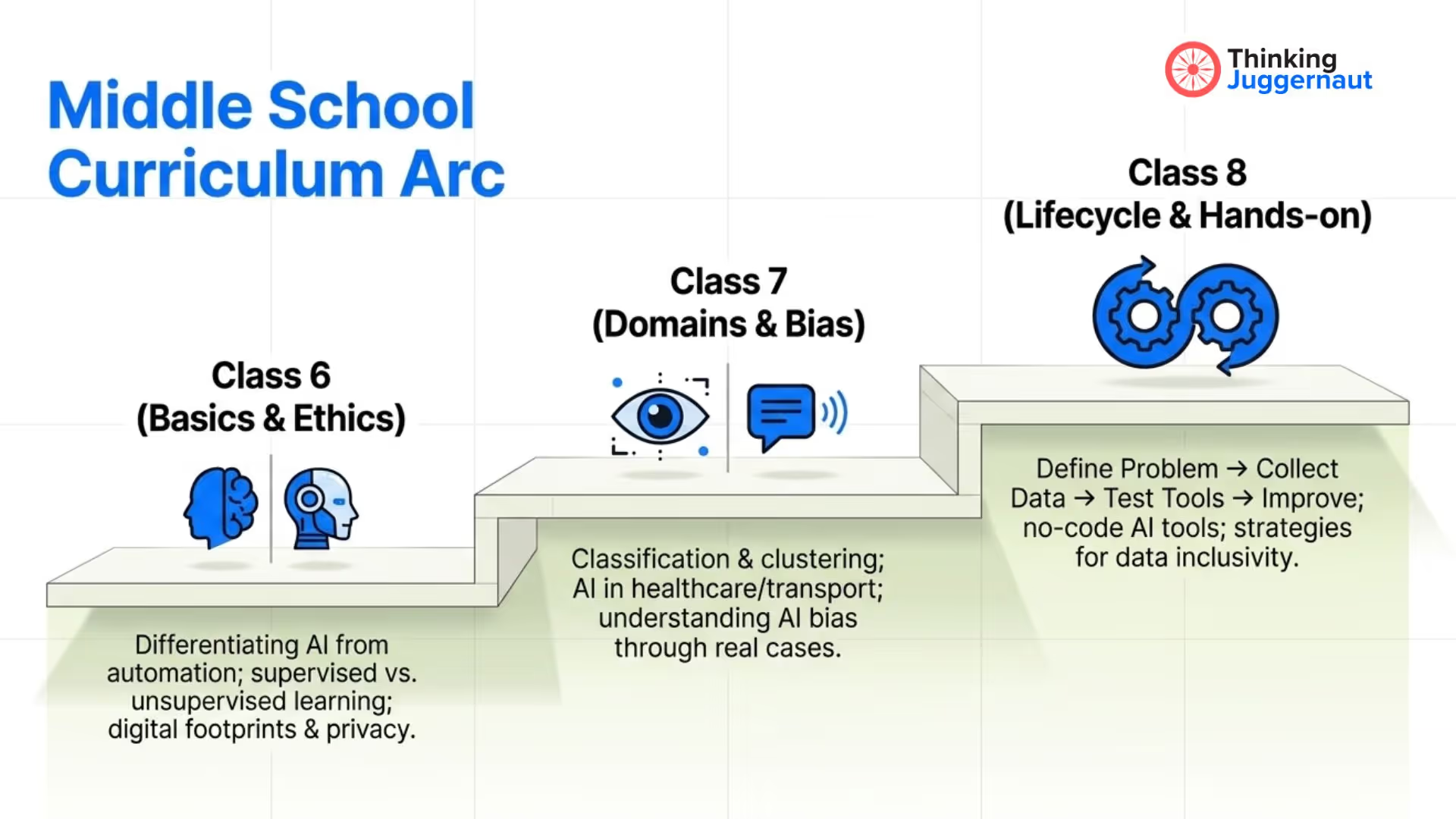
Class 6 — AI component (20 hours):
Class 7 — AI component (20 hours):
Class 8 — AI component (20 hours):
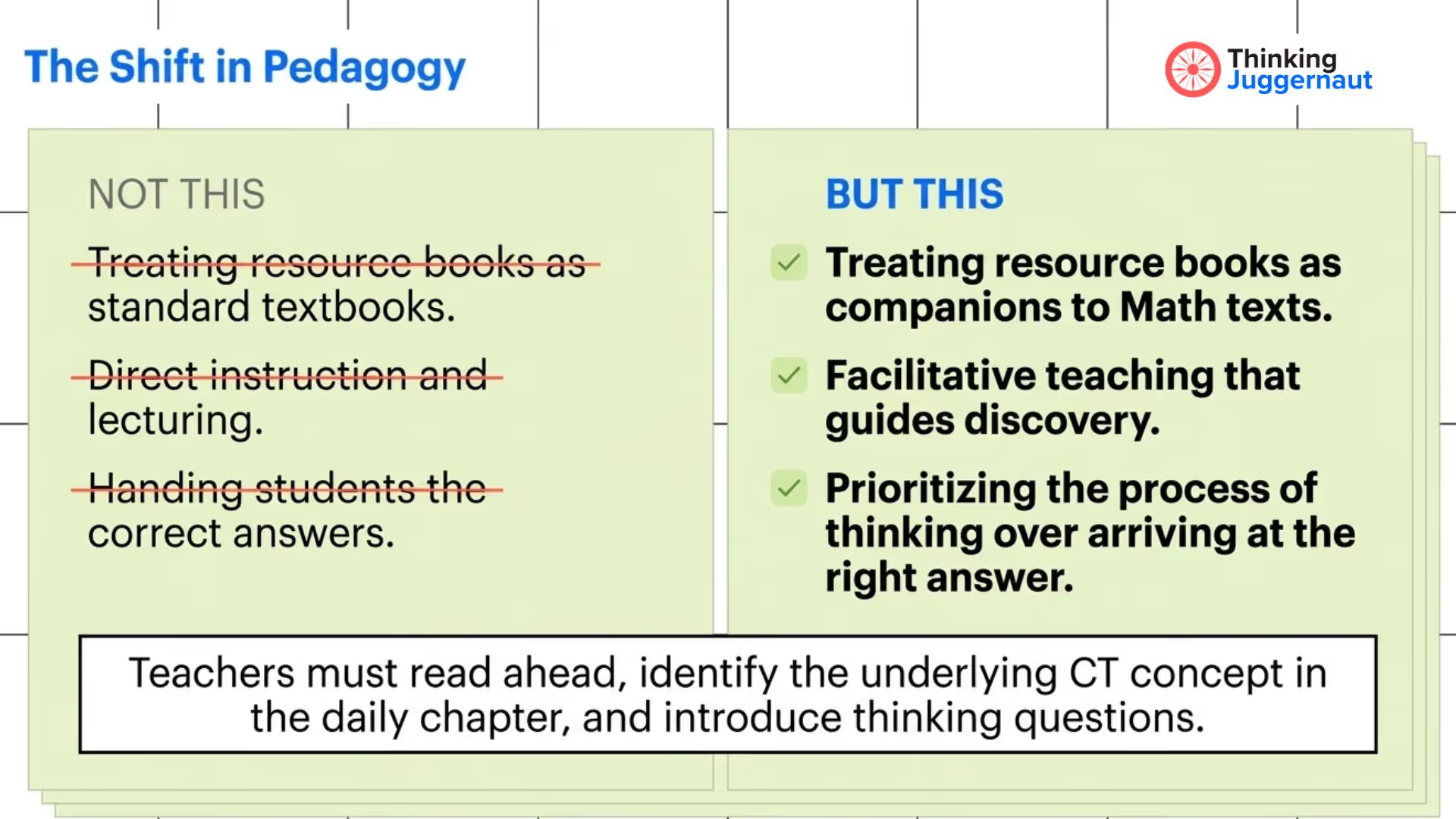
CBSE is explicit: "These resource books are not designed as textbooks." They are companions to Math textbooks. Teachers should read ahead, identify the CT concept in each chapter, and introduce thinking questions — not hand students answers. The process of thinking matters more than the correct answer. CBSE wants facilitative teaching, not direct instruction.
This mandate asks schools to build AI literacy and computational thinking through hands-on, activity-based learning — exactly what we do.
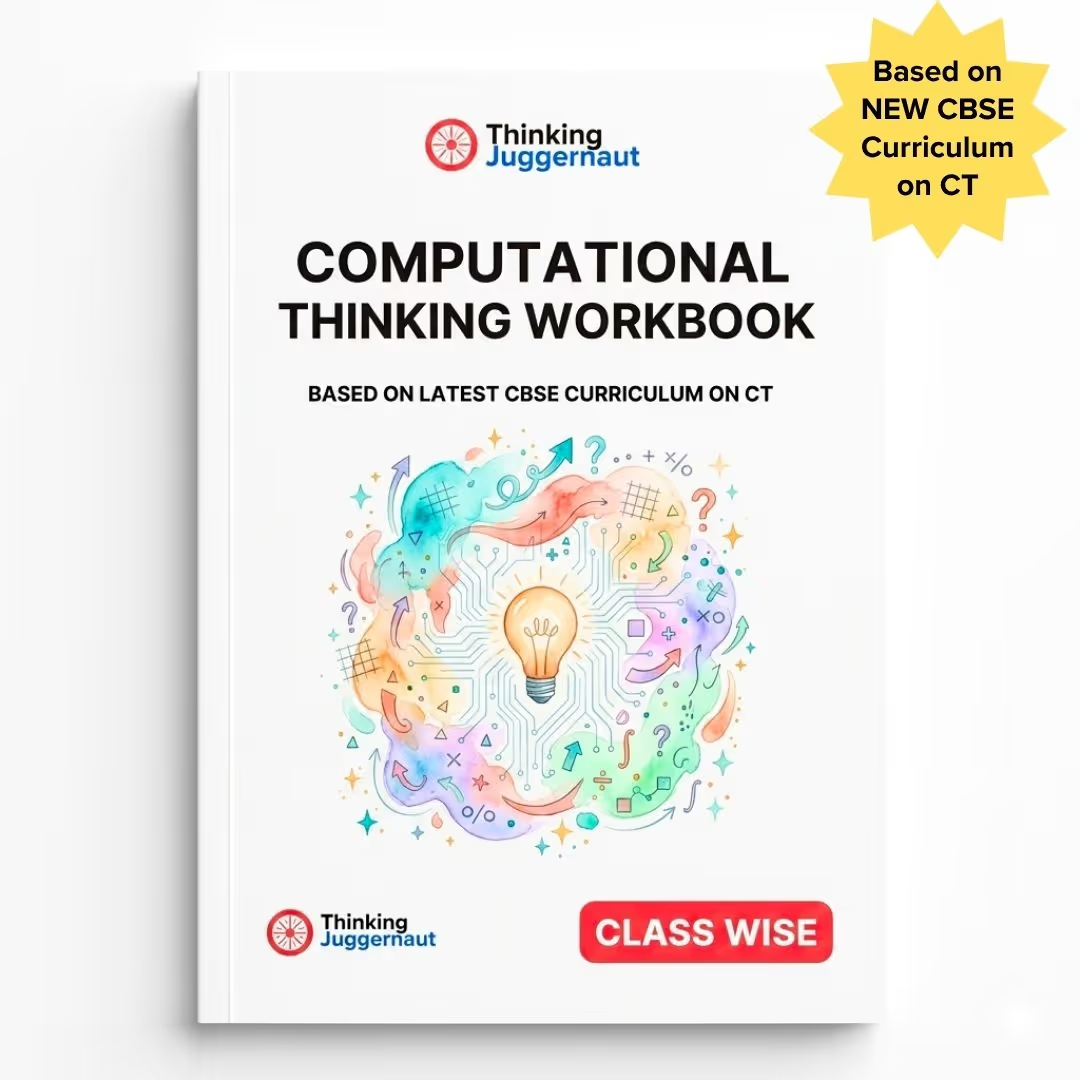
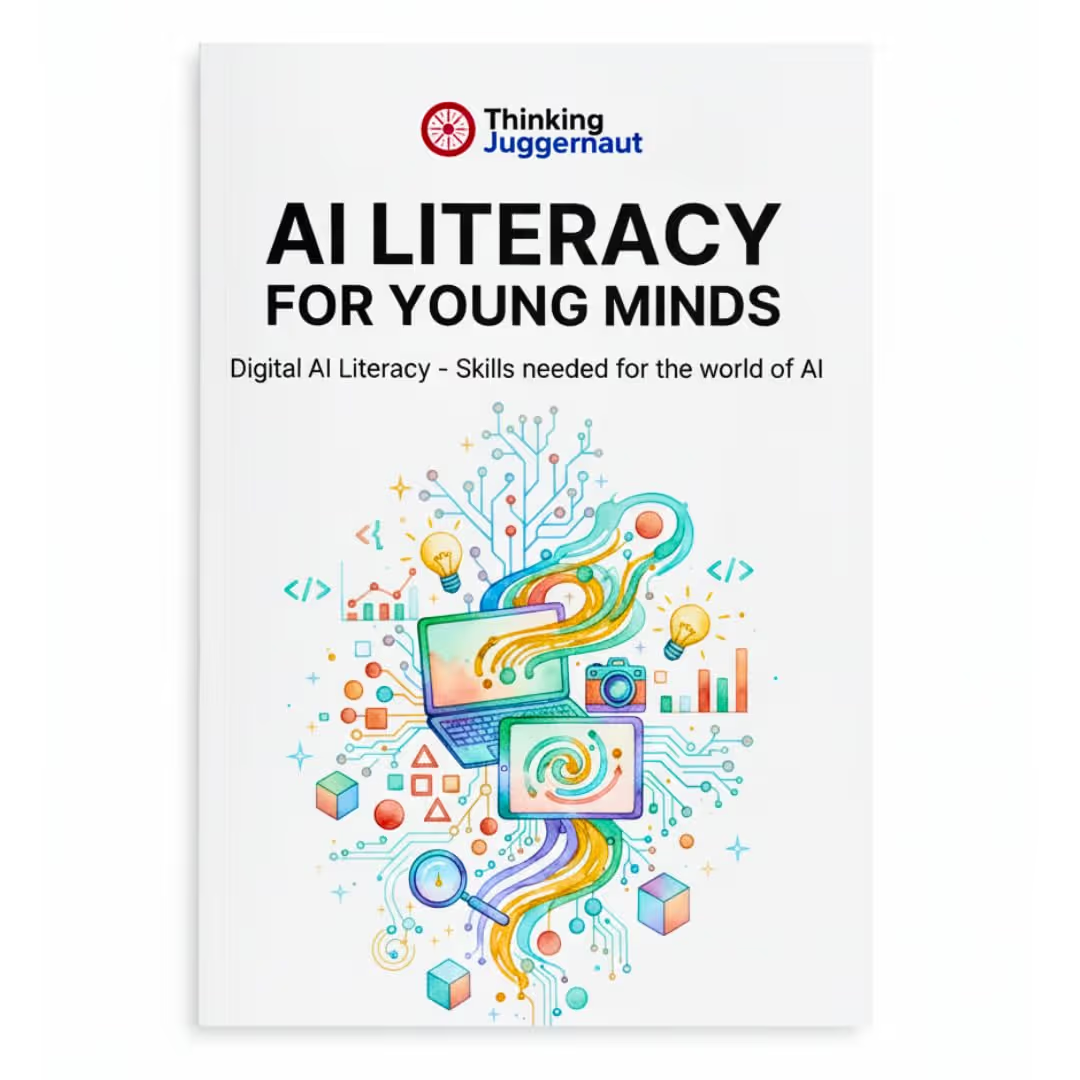
Our Computational Thinking Workbooks and AI Literacy Kit is built for exactly this age group. If you are figuring out how to implement CT & AI in your school without overwhelming your teachers or budget, we can help you plan it.
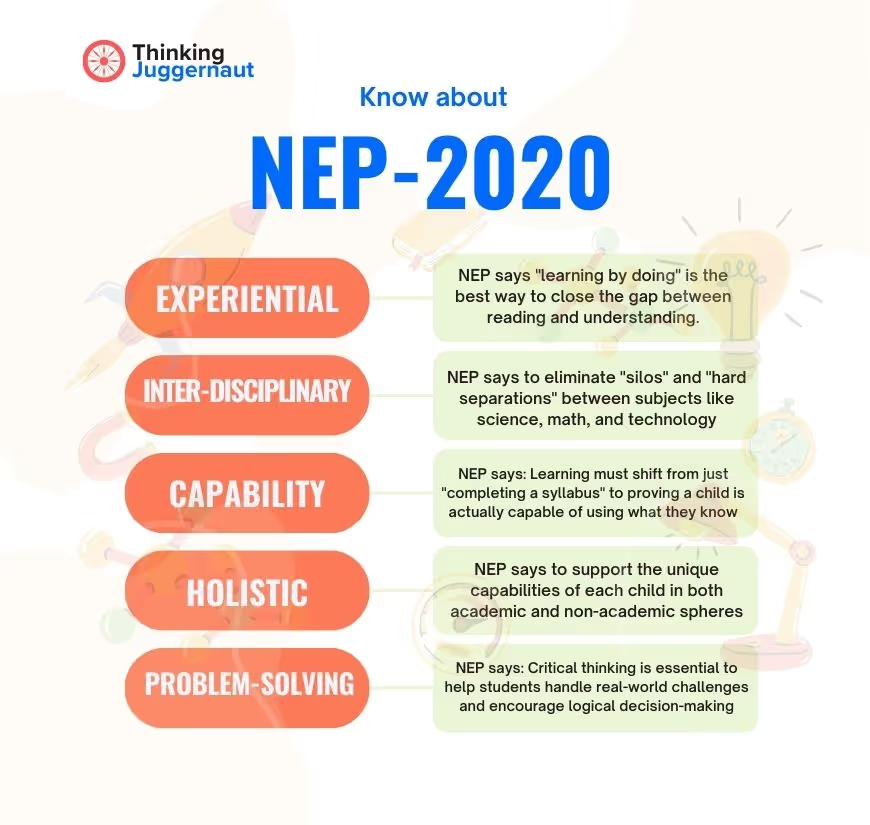
This connects to the broader NEP 2020 push for experiential, interdisciplinary learning that CBSE is now operationalising through these circulars. If you want help choosing the right kits for your school's needs, this guide is a good starting point.
This hybrid learning kit introduces learners to the fundamentals of Artificial Intelligence through relatable, real-life contexts. How AI learns from data, finds patterns, and makes predictions — helping students understand how people and machines work together. Contains:
Available for Class 6-8
Get the guide to Artificial Intelligence for Classes 6, 7 and 8 CBSE here
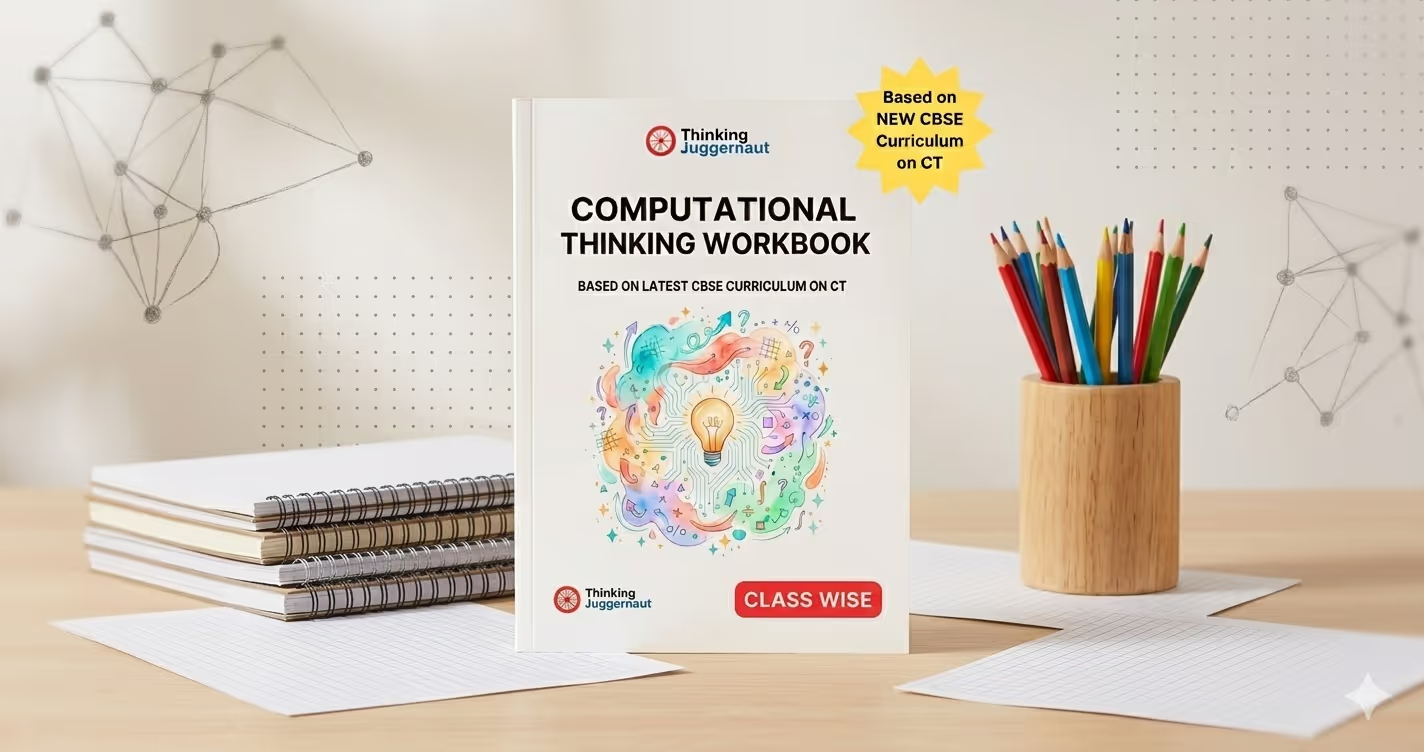
Thinking Juggernaut's Computational Thinking Workbook Series gives students exactly what CBSE recommends: structured problem-solving, solved examples, hands-on activities, and 200+ graded questions per book — usable by any student, parent, or teacher
Available for Class 3-8
You can order the Computational Thinking workbooks class-wise directly from here
We work directly with schools on implementation.
WhatsApp us to discuss your school's needs →
Computational Thinking
Class 3
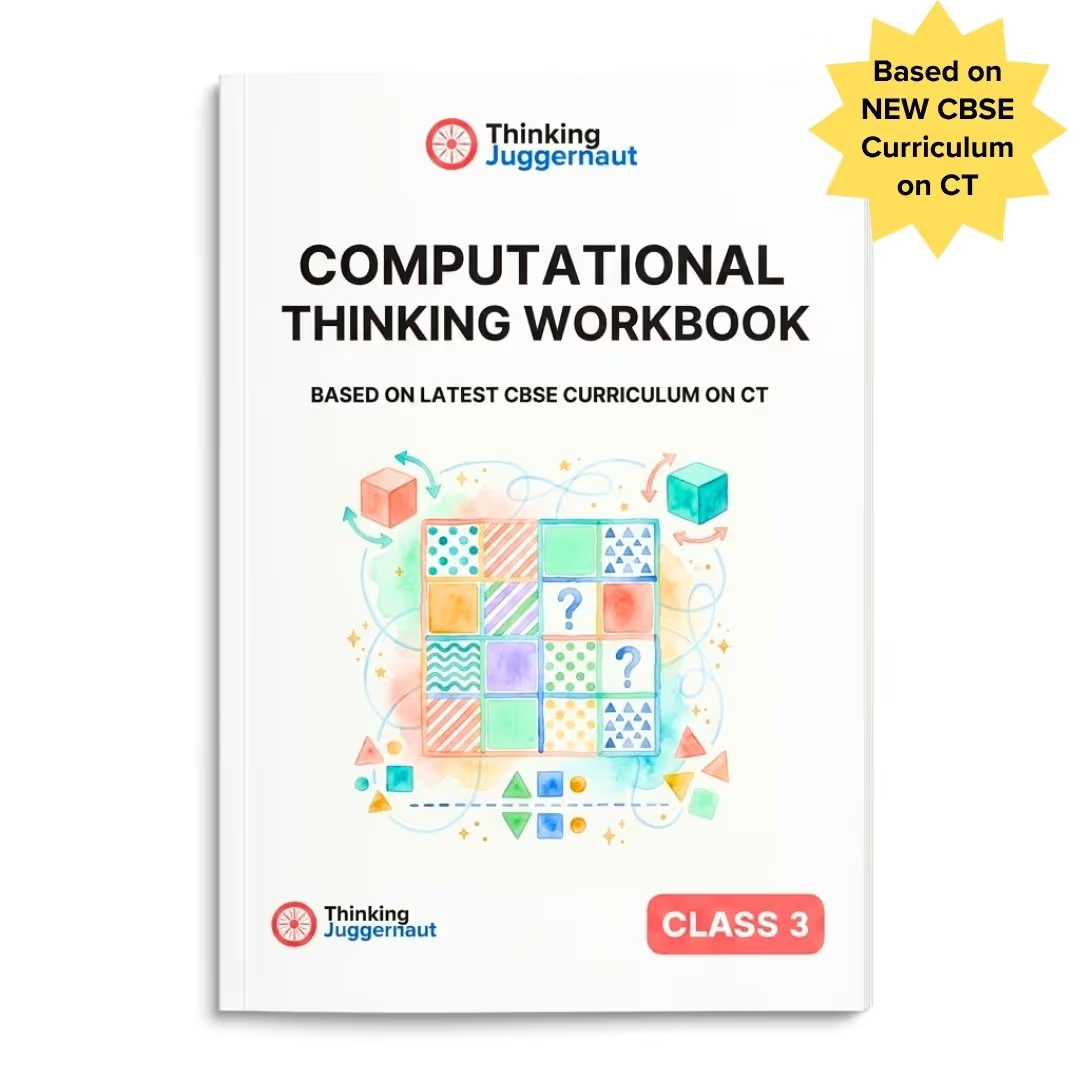
Based on New CBSE Curriculum on CT
₹499 FREE Shipping
Computational Thinking
Class 4
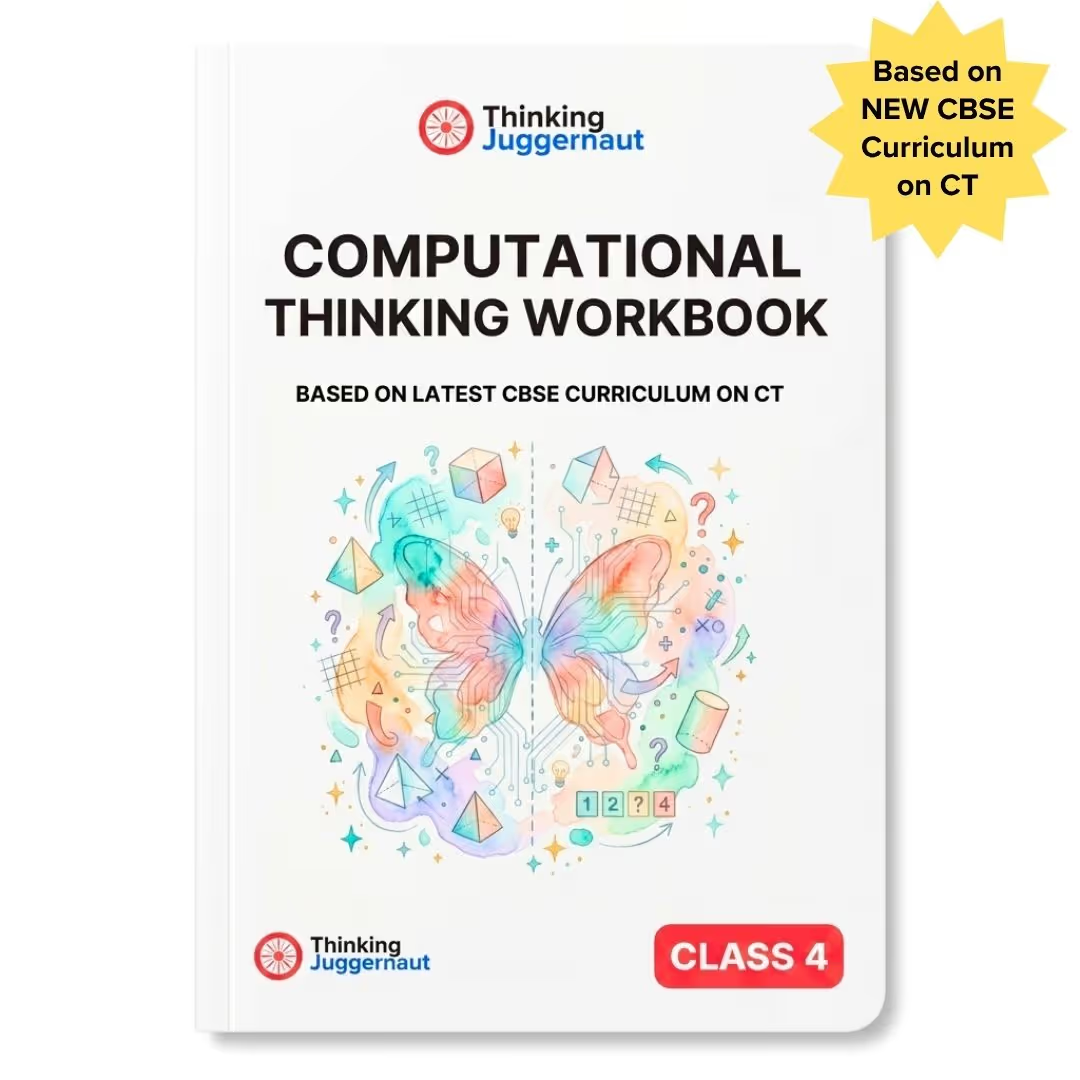
Based on New CBSE Curriculum on CT
₹499 FREE Shipping
Computational Thinking
Class 5
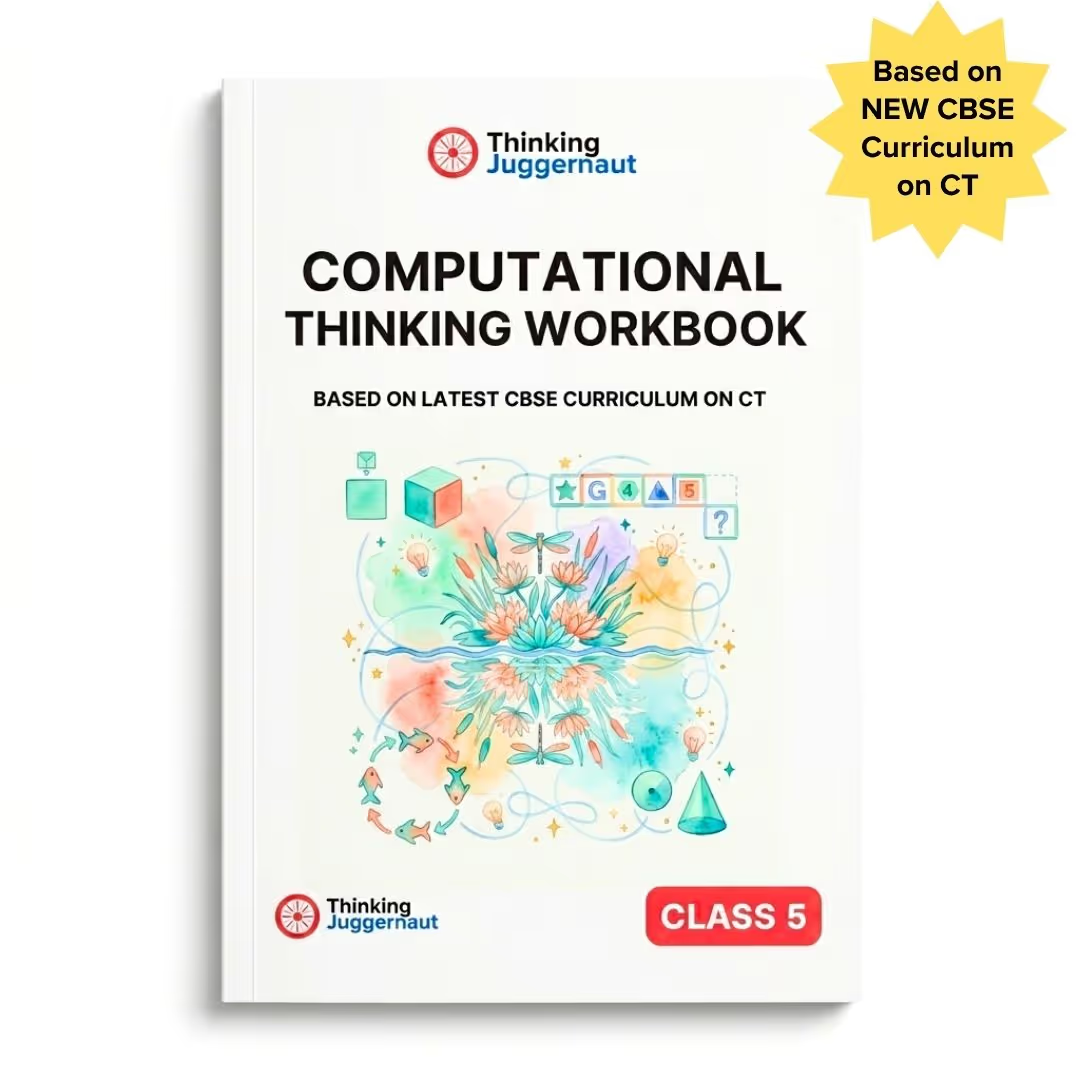
Based on New CBSE Curriculum on CT
₹499 FREE Shipping
Advanced Computational Thinking Class 6
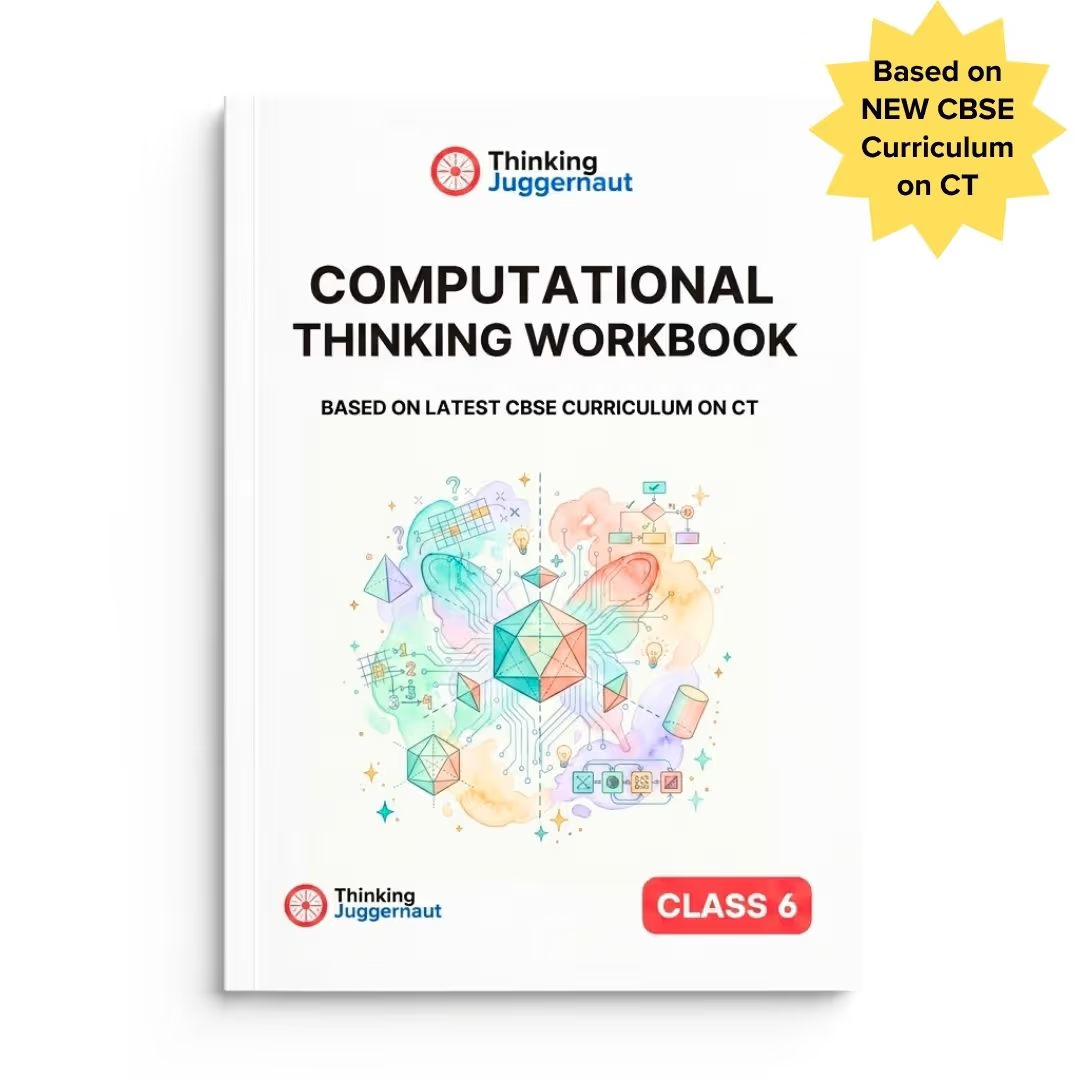
Based on New CBSE Curriculum on CT
₹499 FREE Shipping
Advanced Computational Thinking Class 7
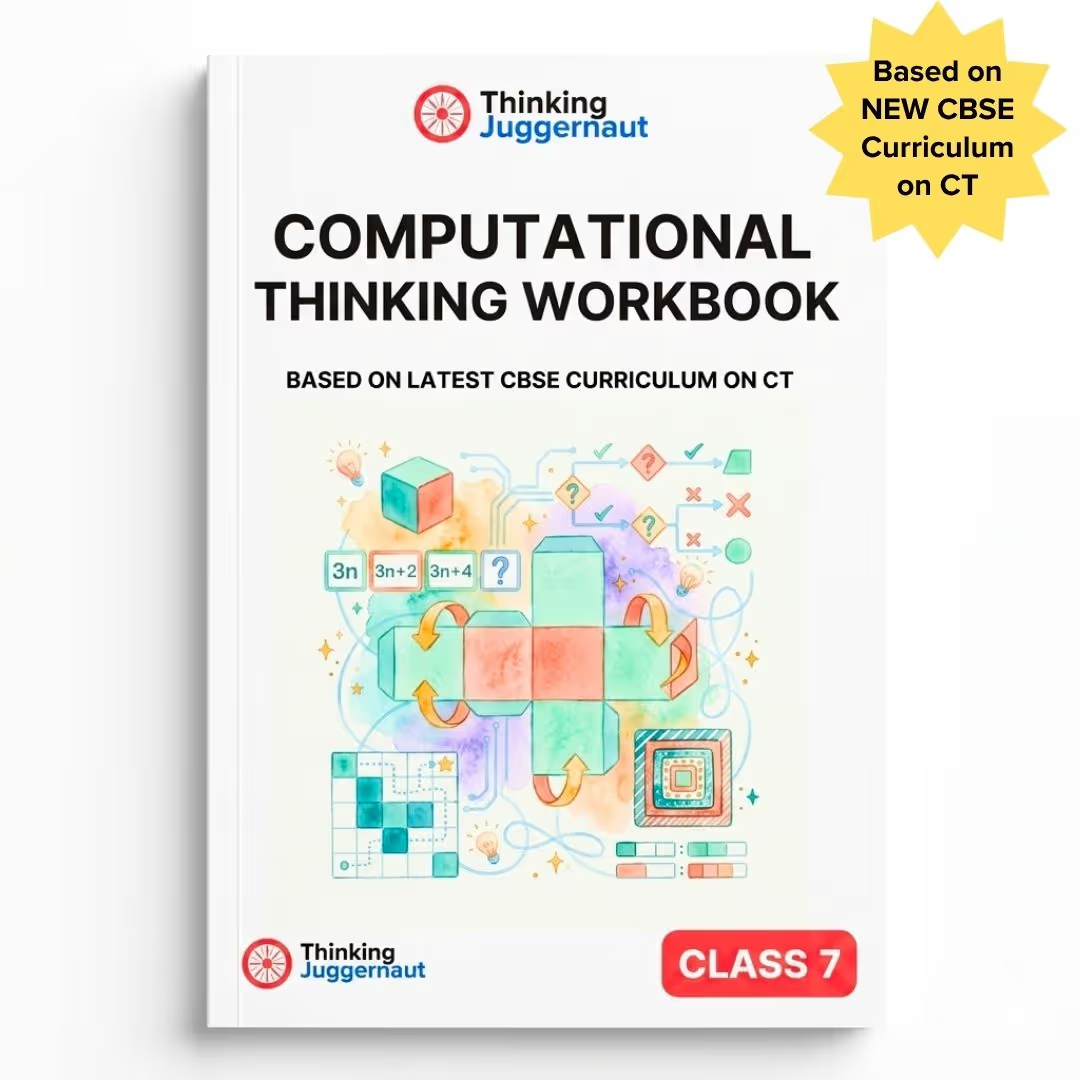
Based on New CBSE Curriculum on CT
₹499 FREE Shipping
Advanced Computational Thinking Class 8
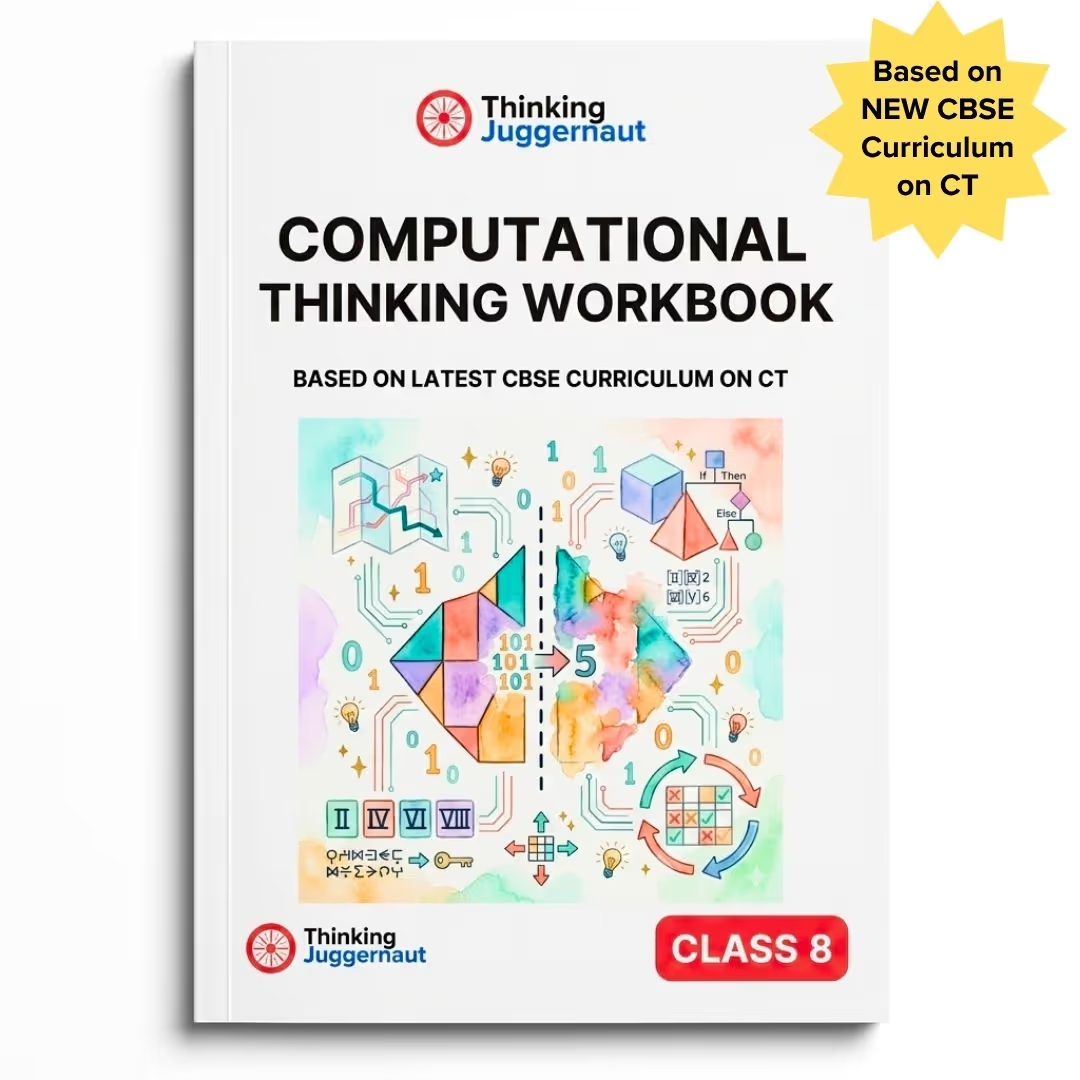
Based on New CBSE Curriculum on CT
₹499 FREE Shipping
Artificial Intelligence
Class 6
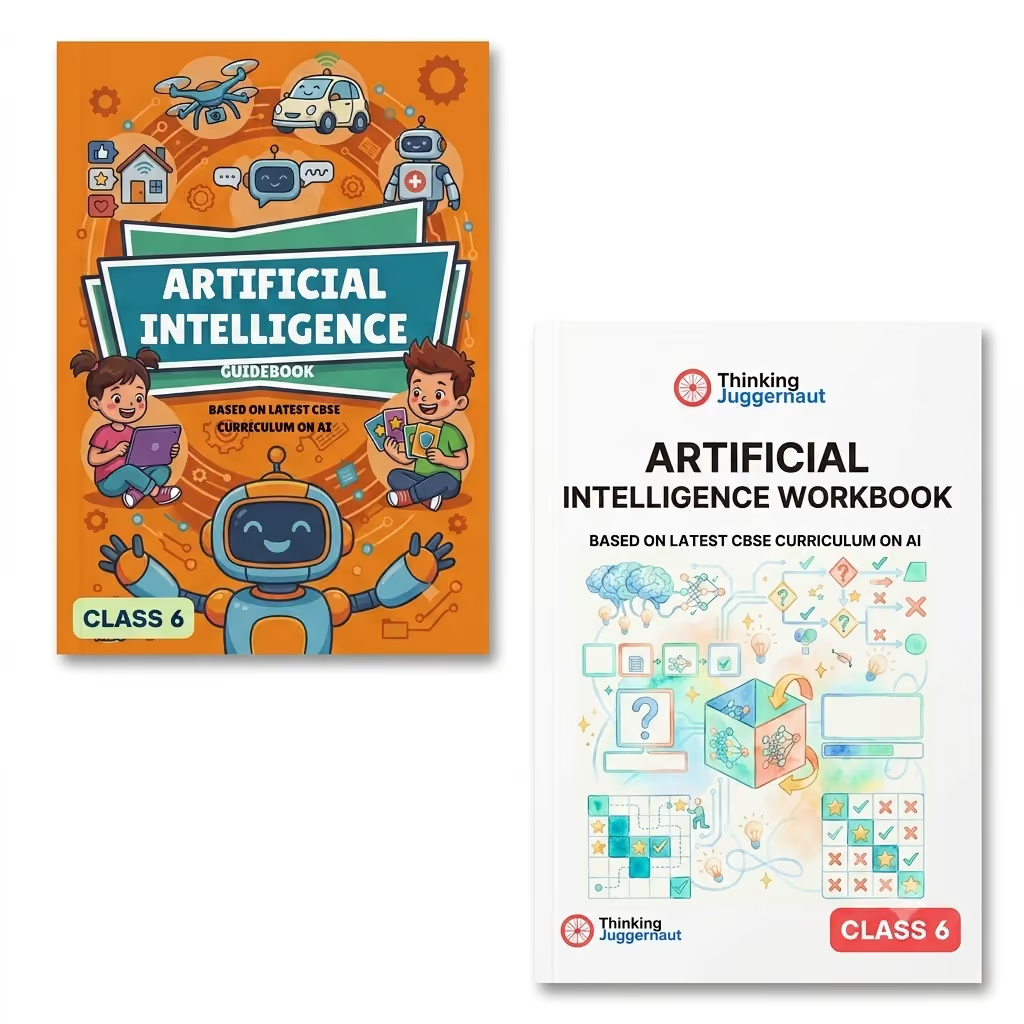
Based on New CBSE Curriculum on AI
₹599 FREE Shipping
Artificial Intelligence
Class 7
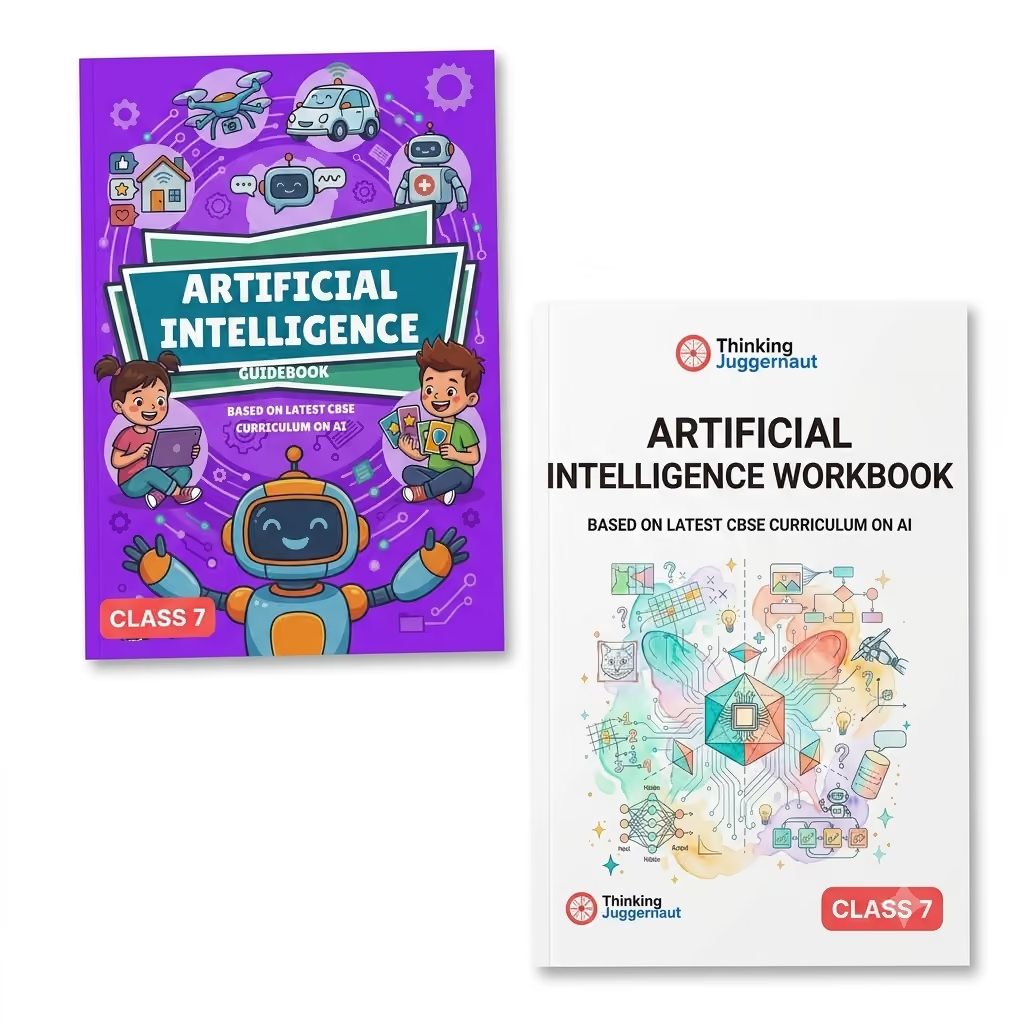
Based on New CBSE Curriculum on AI
₹599 FREE Shipping
Artificial Intelligence
Class 8
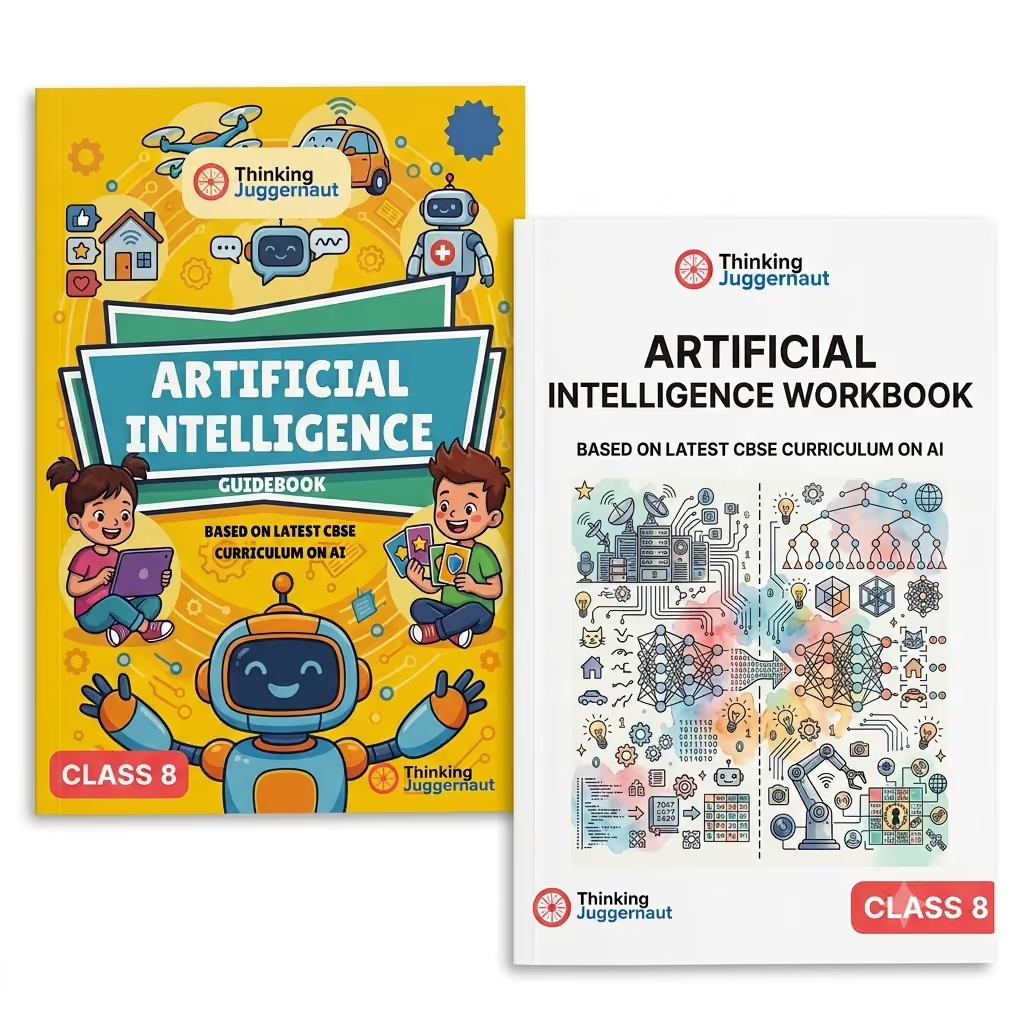
Based on New CBSE Curriculum on AI
₹599 FREE Shipping
Almost there!
We will confirm your order on WhatsApp
Order placed!
Thank you! You will receive a WhatsApp confirmation shortly.
Latest CBSE & NEP 2020 news, updates, and hands-on classroom activity ideas — straight to your inbox.
No spam, ever. Unsubscribe anytime.
Watch your inbox for the next edition of the Thinking Juggernaut Weekly.


![[background image] electronics workbench](https://cdn.prod.website-files.com/6867e17b7728d4dad1984de4/6971df3fc68f17192e35e18a_NEP%202020%20Experiential%20Learning.avif)
![[digital project] image of past client project on a magazine page](https://cdn.prod.website-files.com/6867e17b7728d4dad1984de4/69f0c763b28a16cb4da0a3dc_Screenshot%202026-04-28%20at%208.11.51%20PM.avif)
![[digital project] image of past client project on a magazine page](https://cdn.prod.website-files.com/6867e17b7728d4dad1984de4/69e4675ba1a912bed4dafb2e_Screenshot%202026-04-19%20at%2010.55.23%20AM.avif)