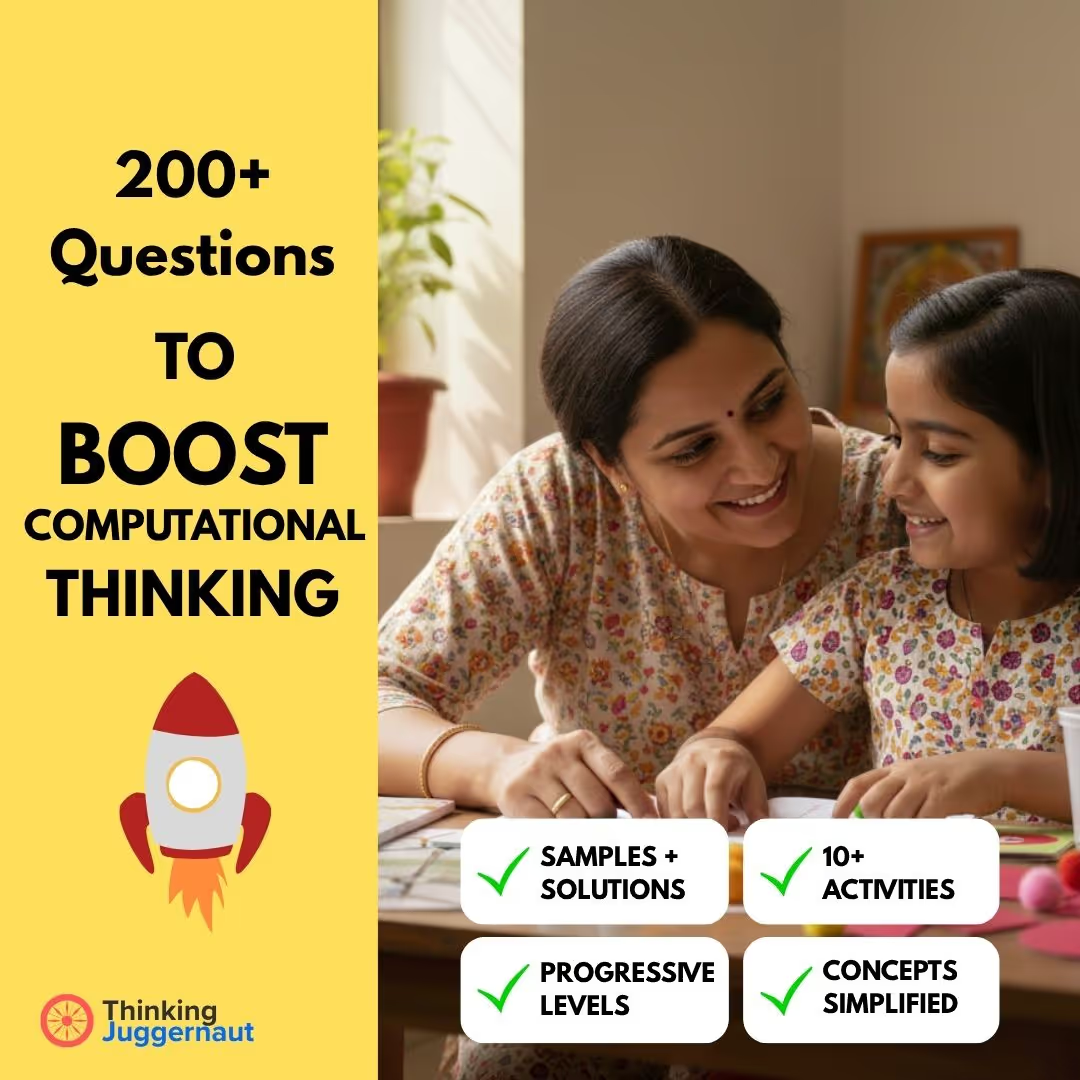


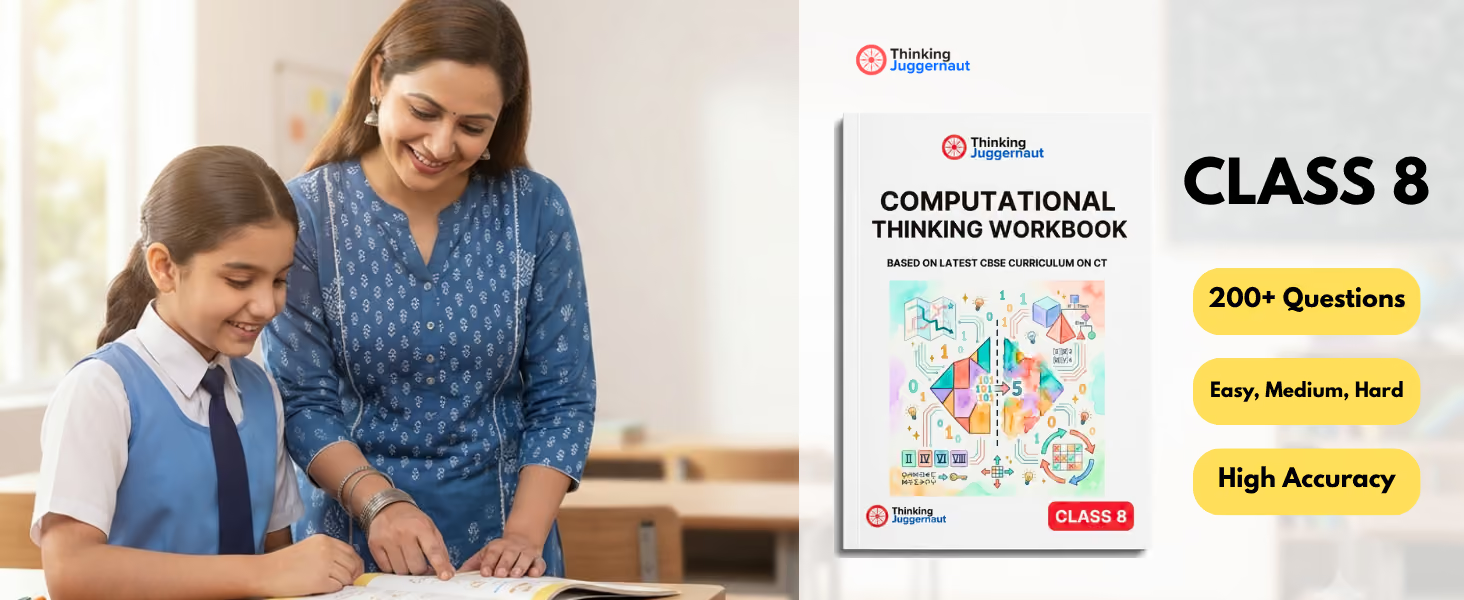
✪ 200+ practice questions
✪ Progressive Question Levels and Highly Accurate
✪ Concept Explanations and Solved Examples
✪ Solutions included for every question
✪ Aligned to CBSE and NEP-2020.









The Parent's Choice. NEP-2020 aligned hands-on kits that build real thinking and real-world problems solving skills.
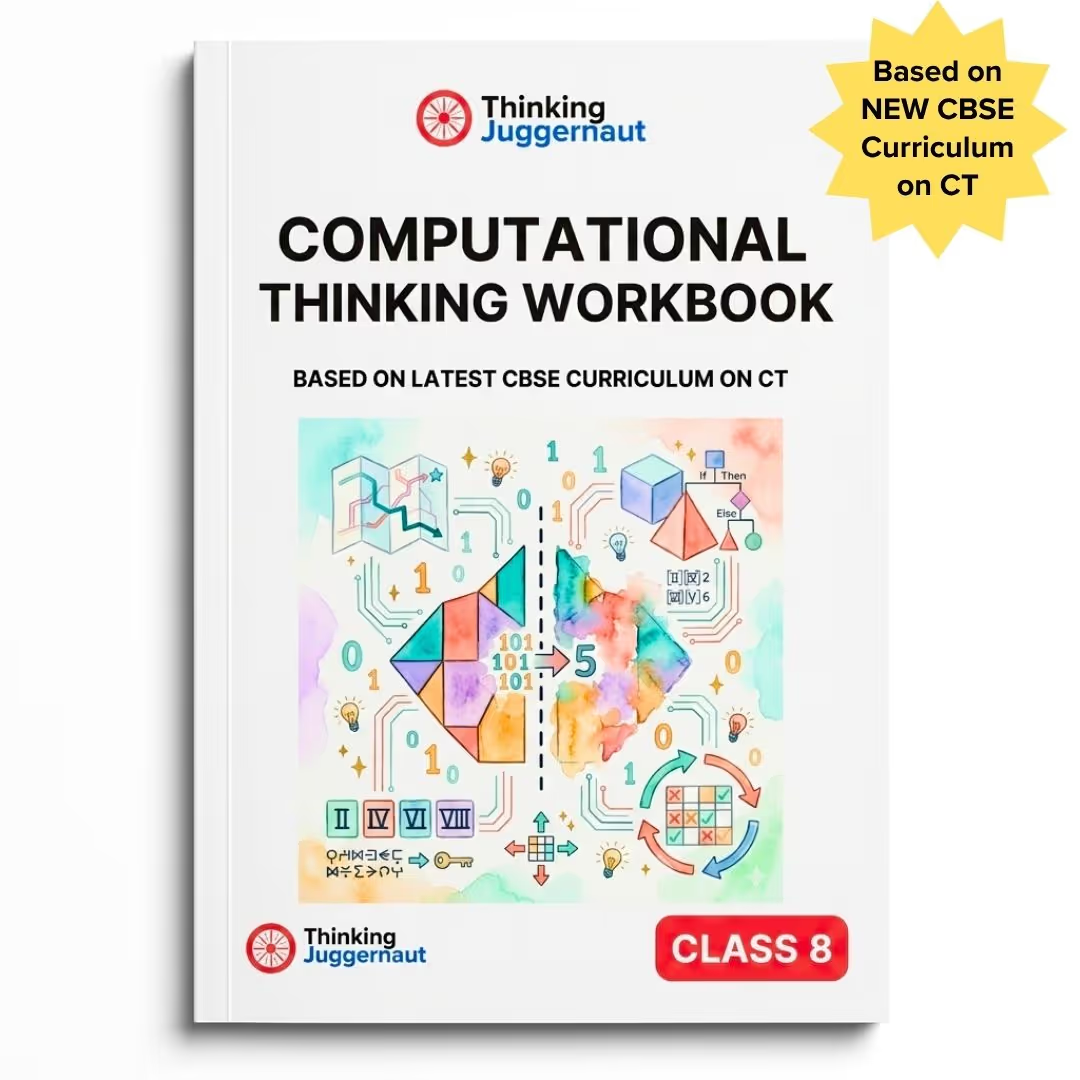
CBSE introduced Computational Thinking as a formal part of the Class 8 curriculum starting 2026–27. This workbook covers the complete Class 8 Computational Thinking syllabus as per CBSE.
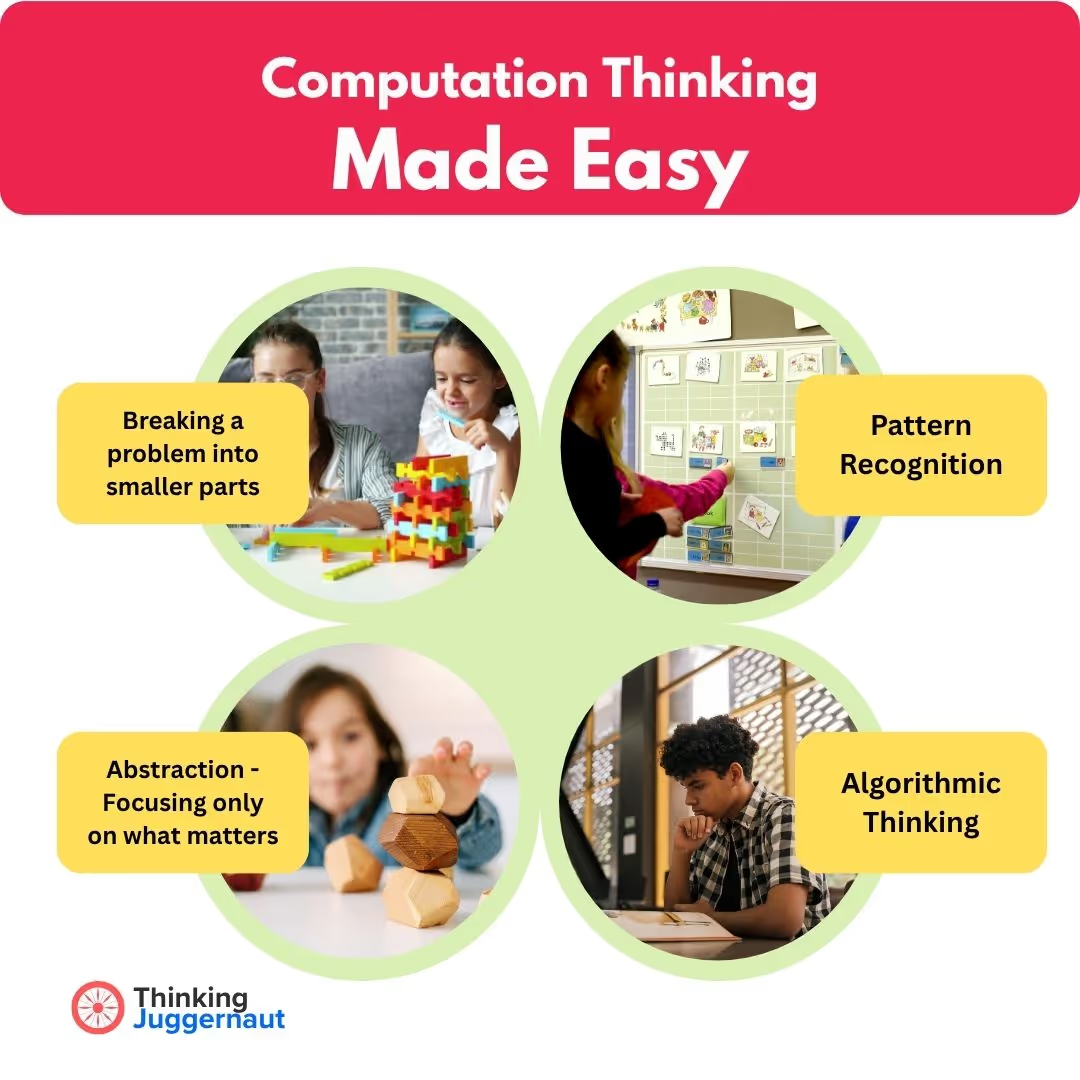
✪ 200+ practice questions — covering all four CT skill areas as per CBSE Class 8 CT Curriculum.
✪ Progressive Question Levels and Highly Accurate
✪ Concept Explanations and Solutions included
✪ Aligned to CBSE and NEP-2020
✪ Developed by NIT & IIT Alumni
© 2026 [Thinking Juggernaut]. All rights reserved. Not for commercial reproduction or resale by publishing houses or other parties.
Abstract Thinking
— Properties and relationships of numbers — powers, factors, remainders, divisibility. Generalise and convert across number systems: decimal, binary, ternary, Roman numerals
— Spatial visualisation of 2D/3D including overlaps , intersections
— Interpret symbols, codes, operations representing algebraic ideas
— Identify information by recognising and ignoring irrelevant data
Pattern Recognition
— Patterns involving powers, exponents, and numerical structures
— Relationships across different representations of the same number
— Geometric configurations and shape-based sequences
— Conditional patterns where rule depends on a condition being met
— Mixed patterns involving numbers, symbols, shapes, and movement
Decomposition
— Separate conditions, constraints, and goals of a complex problem
— Multi-step processes: distribution, transfers, and exchanges across multiple elements. Break numerical expressions into simpler forms
— Interpret tables, grids, networks, and diagrams with multiple dependencies. Problems involving multiple variables, positions, or cases simultaneously
Algorithmic Thinking
— Rule-based transformations applied to numbers/symbol sequences
— Path navigation on grids or tracks with constraints & limited moves
— Conditional instructions: if–then, either–or, must/must-not
— Sequential decision-making under given limitations
— Optimisation problems — find the max. or minimum valid outcome
As per latest and new syllabus released by CBSE on Computational Thinking
Chapter 1: A Square and a Cube
Chapter 2: Power Play
Chapter 3: A Story of Numbers
Chapter 4: Quadrilaterals
Chapter 5: Number Play
Chapter 6: We Distribute Yet Things Multiply
Chapter 7: Proportional Reasoning
Chapter 8: Fractions in Disguise
Chapter 9: The Baudhāyana-Pythagoras Theorem
Chapter 10: Proportional Reasoning — 2
Chapter 11: Exploring Some Geometric Themes
Chapter 12: Tales by Dots and Lines
Chapter 13: Algebra Play
Chapter 14: Area
Detailed Solutions
Computational Thinking
Class 3
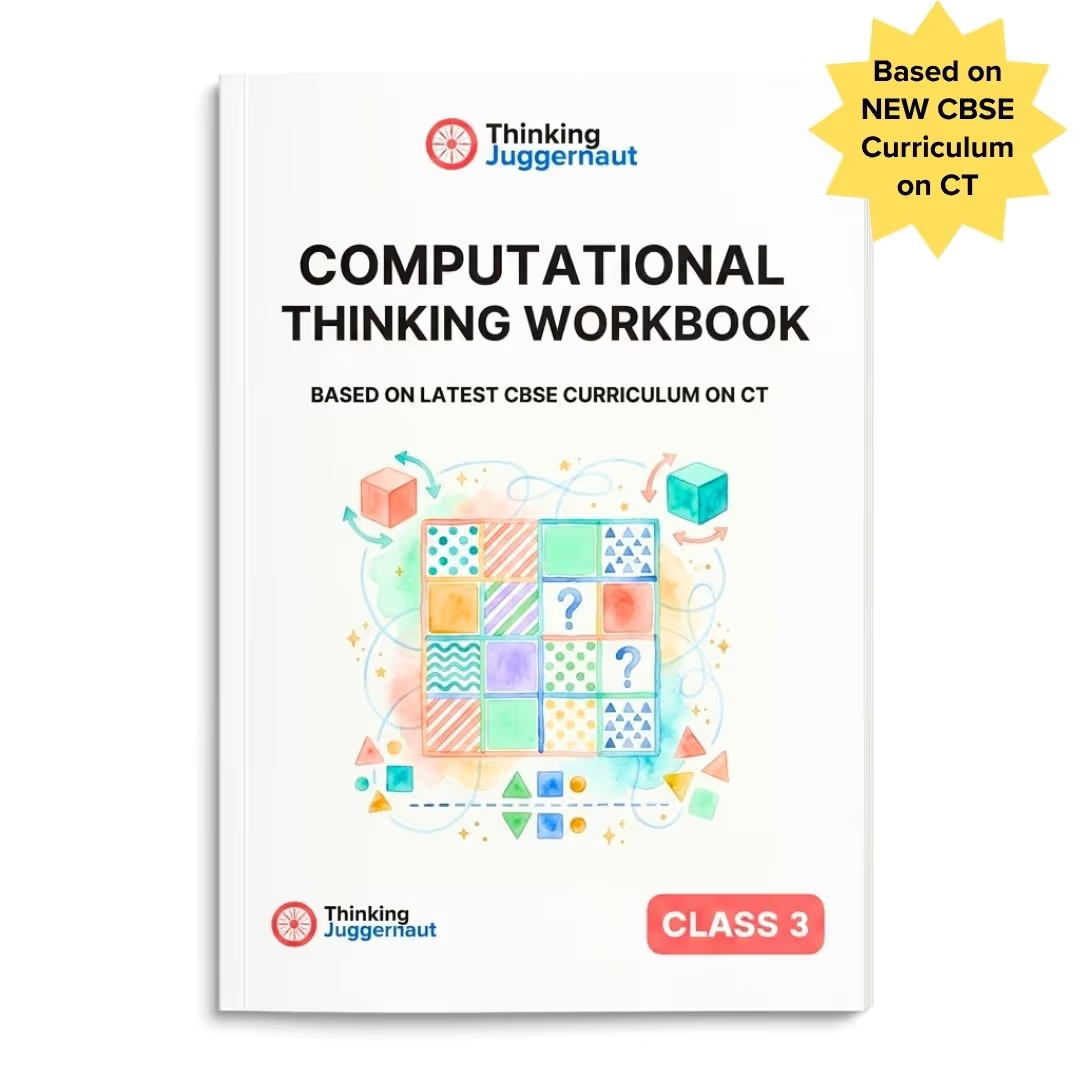
Based on New CBSE Curriculum on CT
₹499 FREE Shipping
Computational Thinking
Class 4
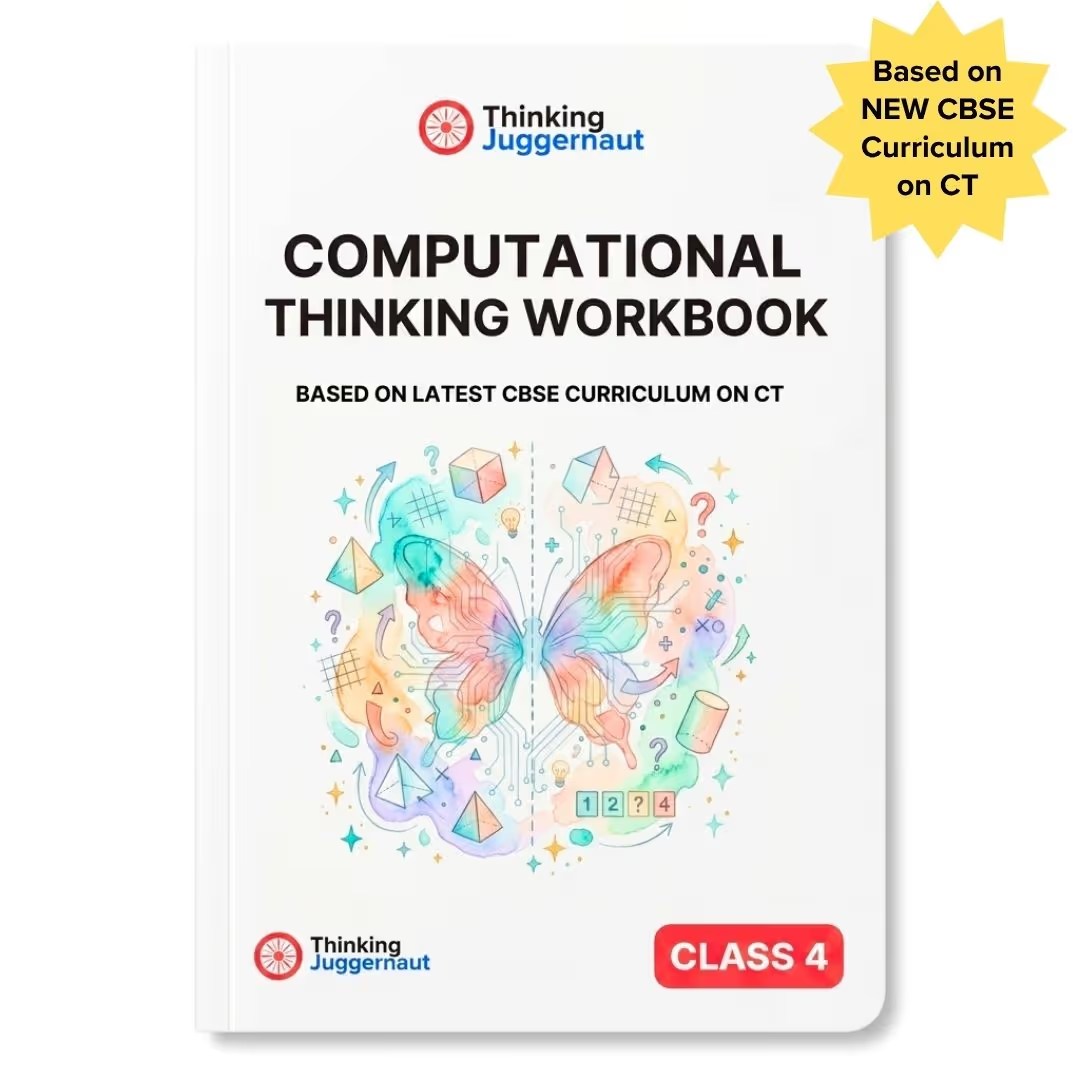
Based on New CBSE Curriculum on CT
₹499 FREE Shipping
Computational Thinking
Class 5
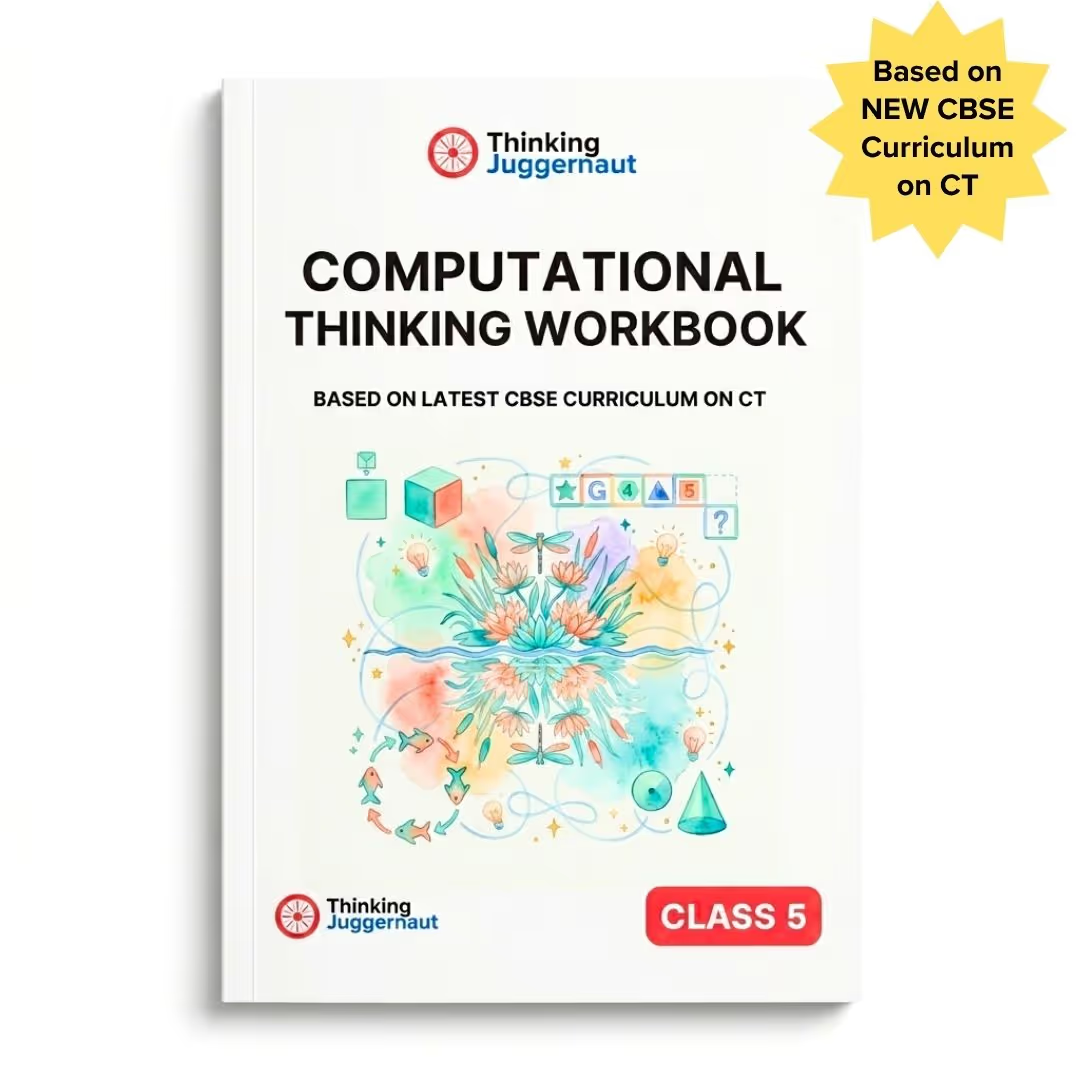
Based on New CBSE Curriculum on CT
₹499 FREE Shipping
Advanced Computational Thinking Class 6
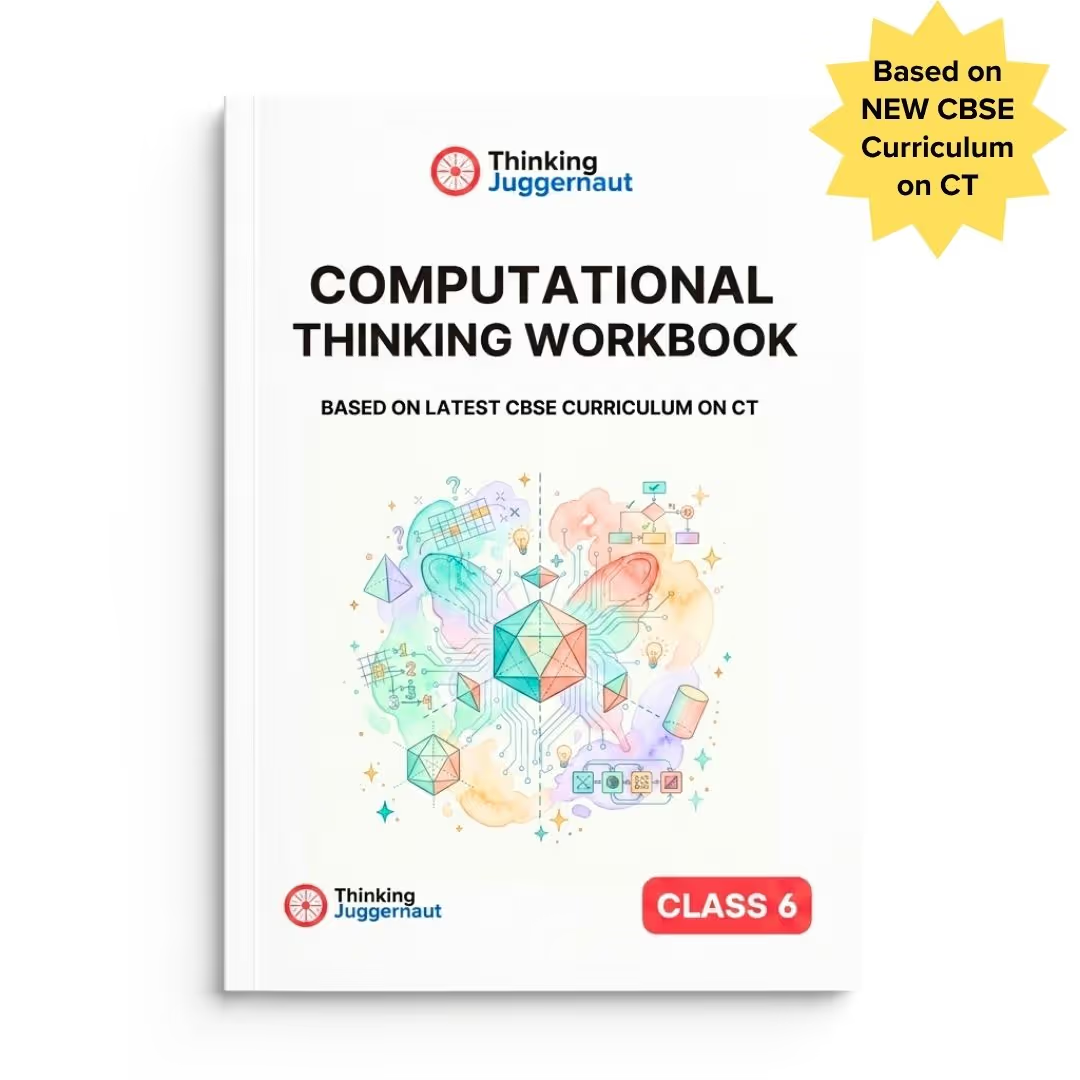
Based on New CBSE Curriculum on CT
₹499 FREE Shipping
Advanced Computational Thinking Class 7
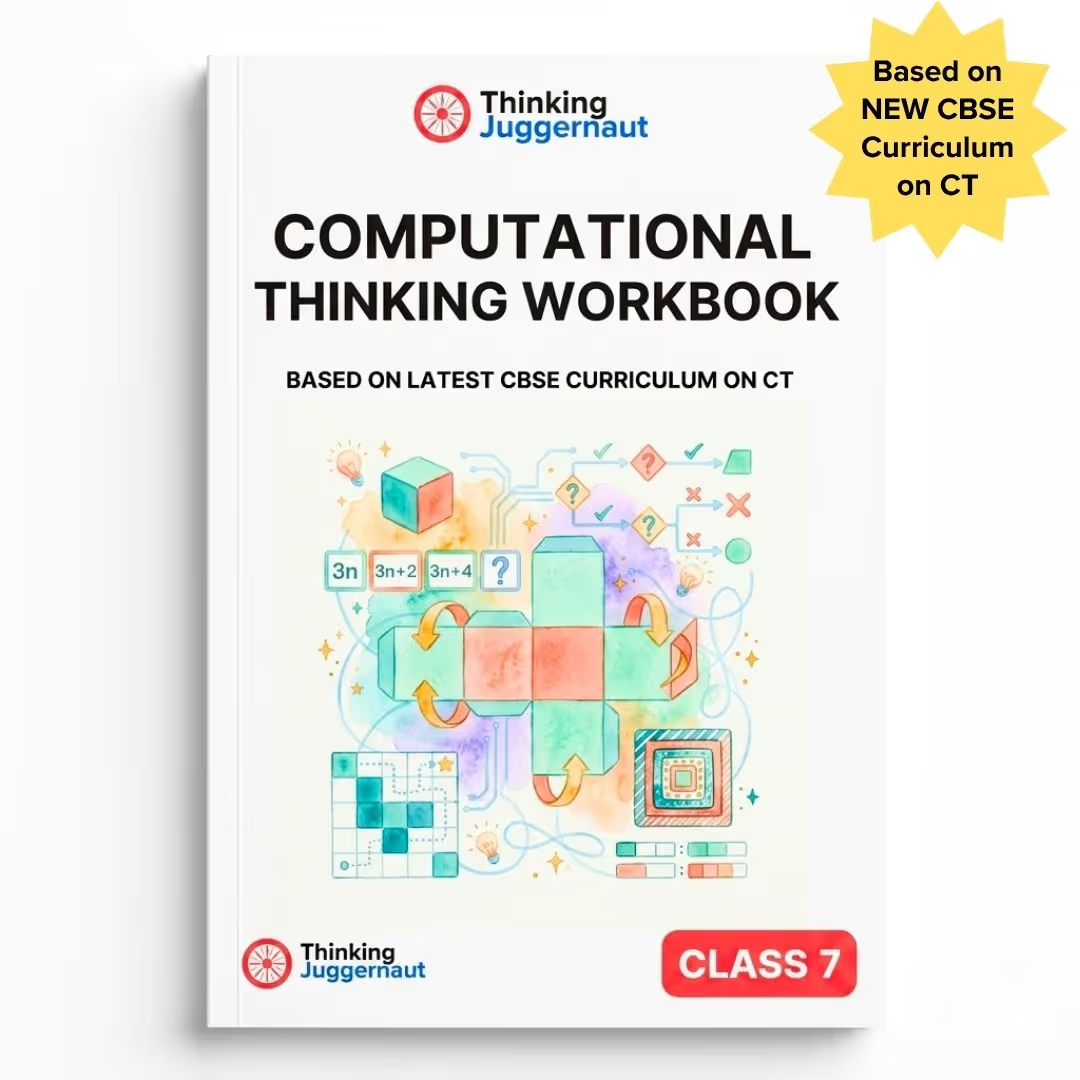
Based on New CBSE Curriculum on CT
₹499 FREE Shipping
Advanced Computational Thinking Class 8
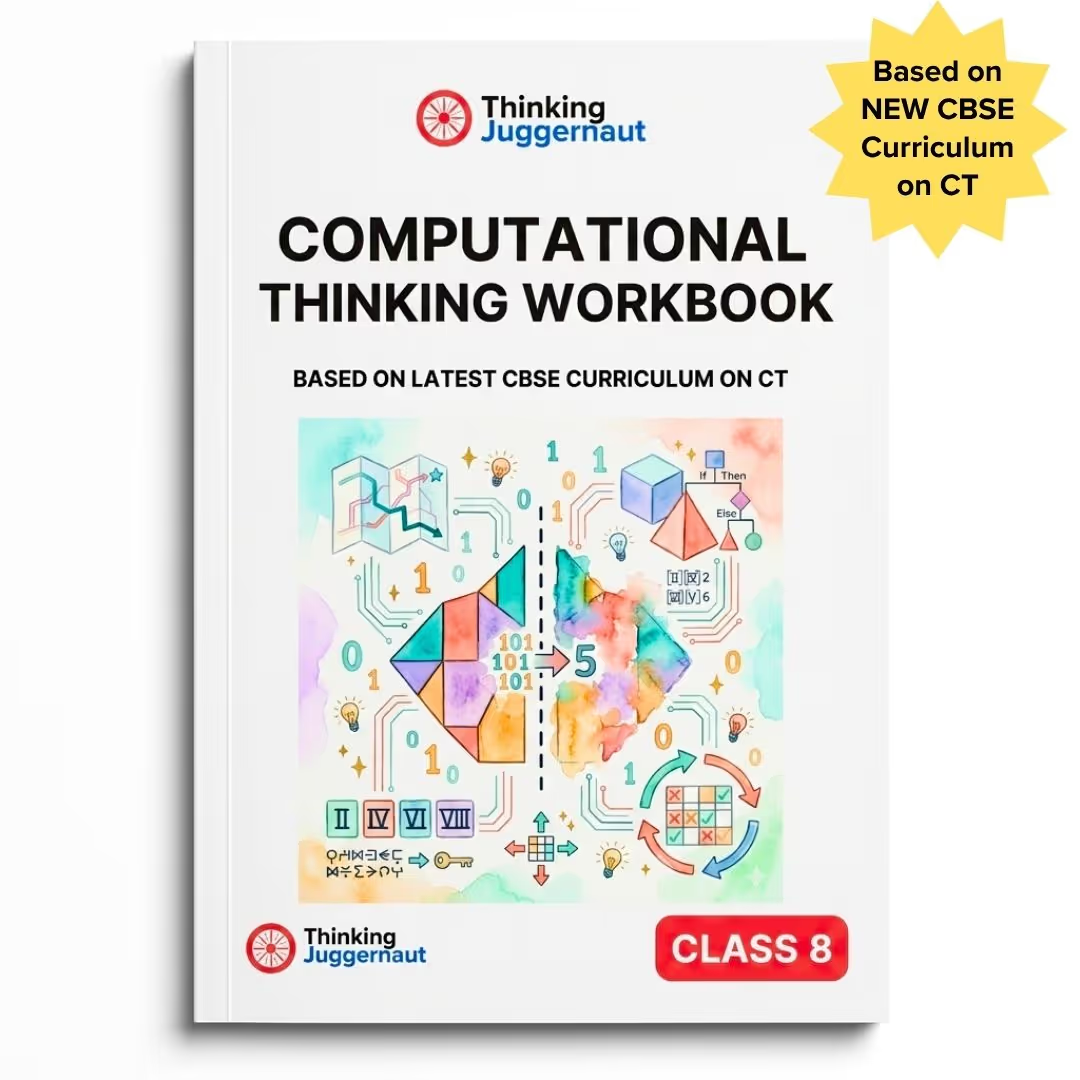
Based on New CBSE Curriculum on CT
₹499 FREE Shipping
Artificial Intelligence
Class 6
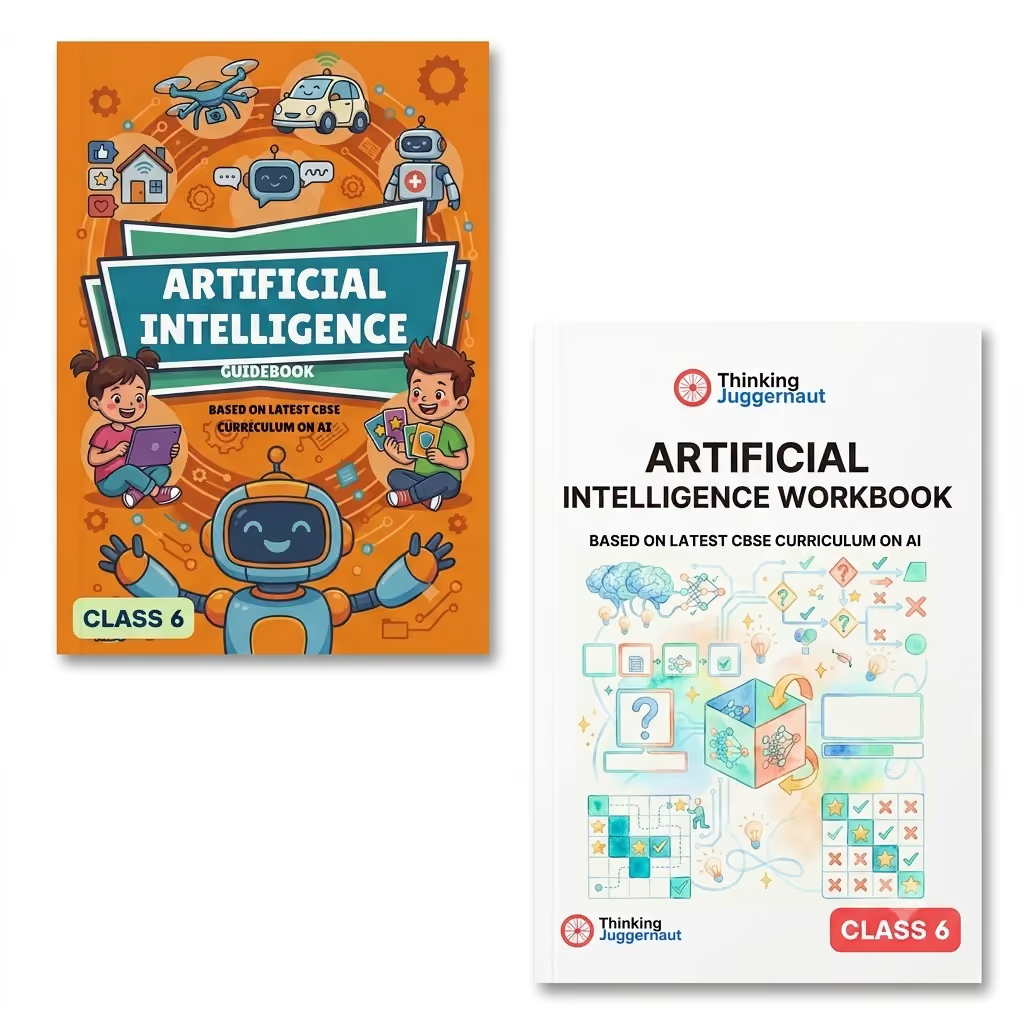
Based on New CBSE Curriculum on AI
₹599 FREE Shipping
Artificial Intelligence
Class 7
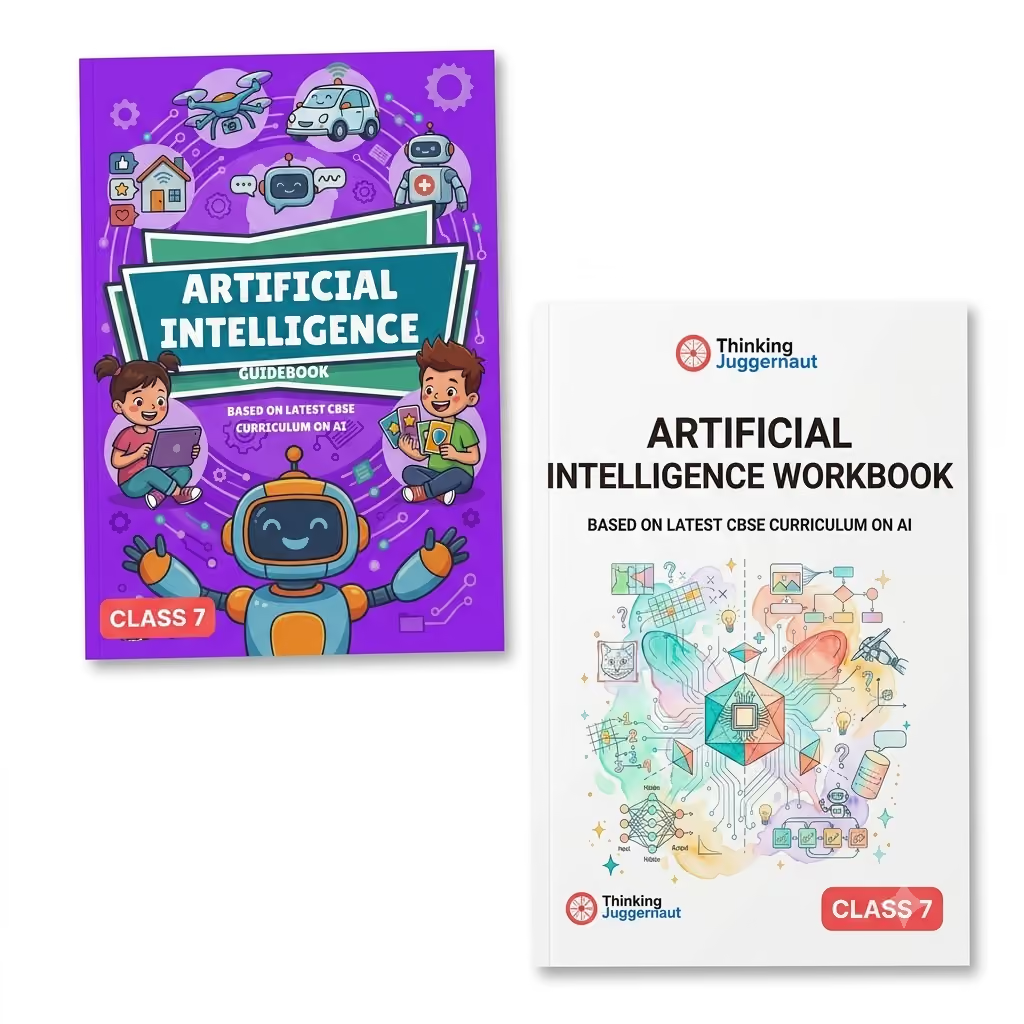
Based on New CBSE Curriculum on AI
₹599 FREE Shipping
Artificial Intelligence
Class 8
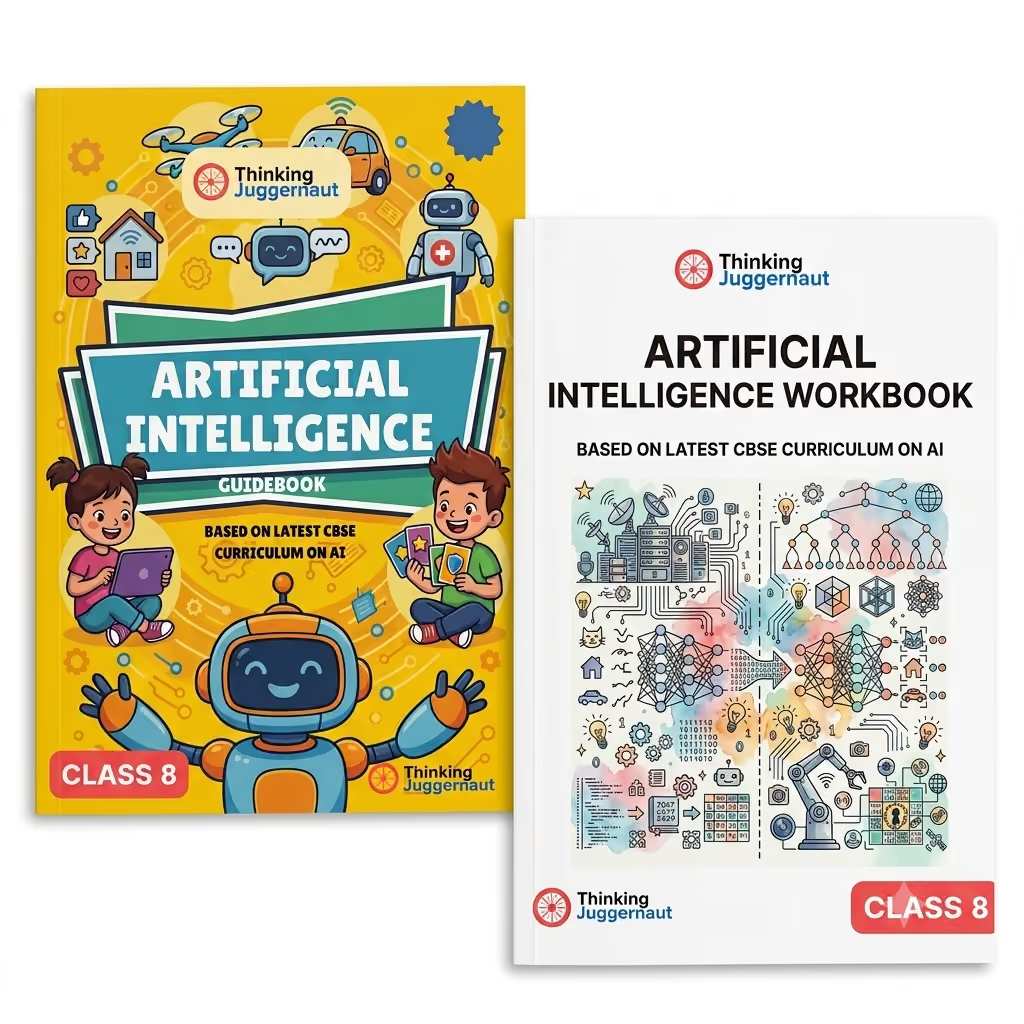
Based on New CBSE Curriculum on AI
₹599 FREE Shipping
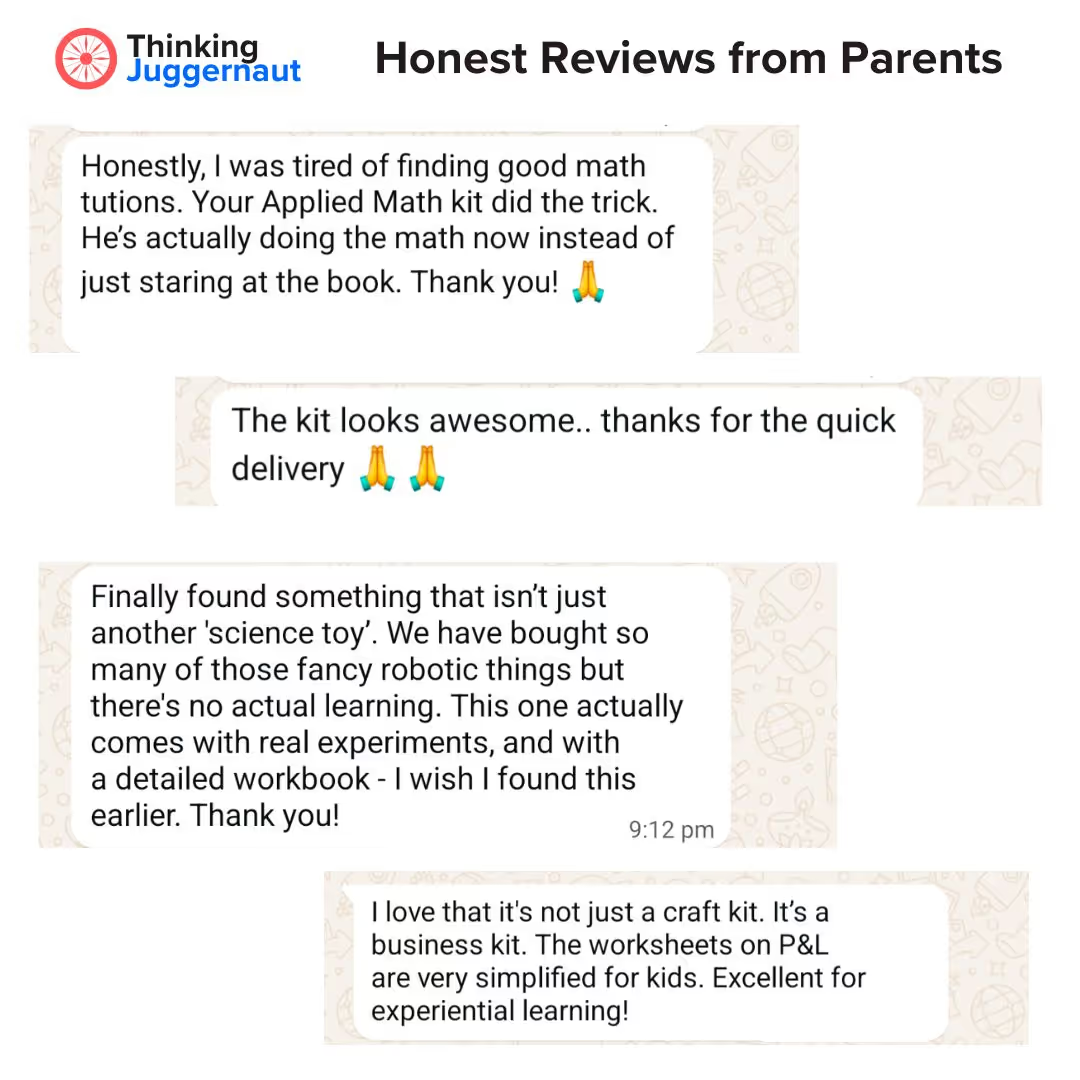
Founded by IIT & NIT Alumini, Thinking Juggernaut is a NEP-2020 aligned experiential learning platform that build 21st-century skills, connect subjects, and link classroom concepts to real-life challenges
Whatsapp usEverything you need to know about the kit
This Advanced Computational Thinking workbook is suitable for Class 8 Students
Not necessarily. The instructions are clear enough for independent work, but parents are welcome to join in!
Entrepreneurship Kit (Age 10+)
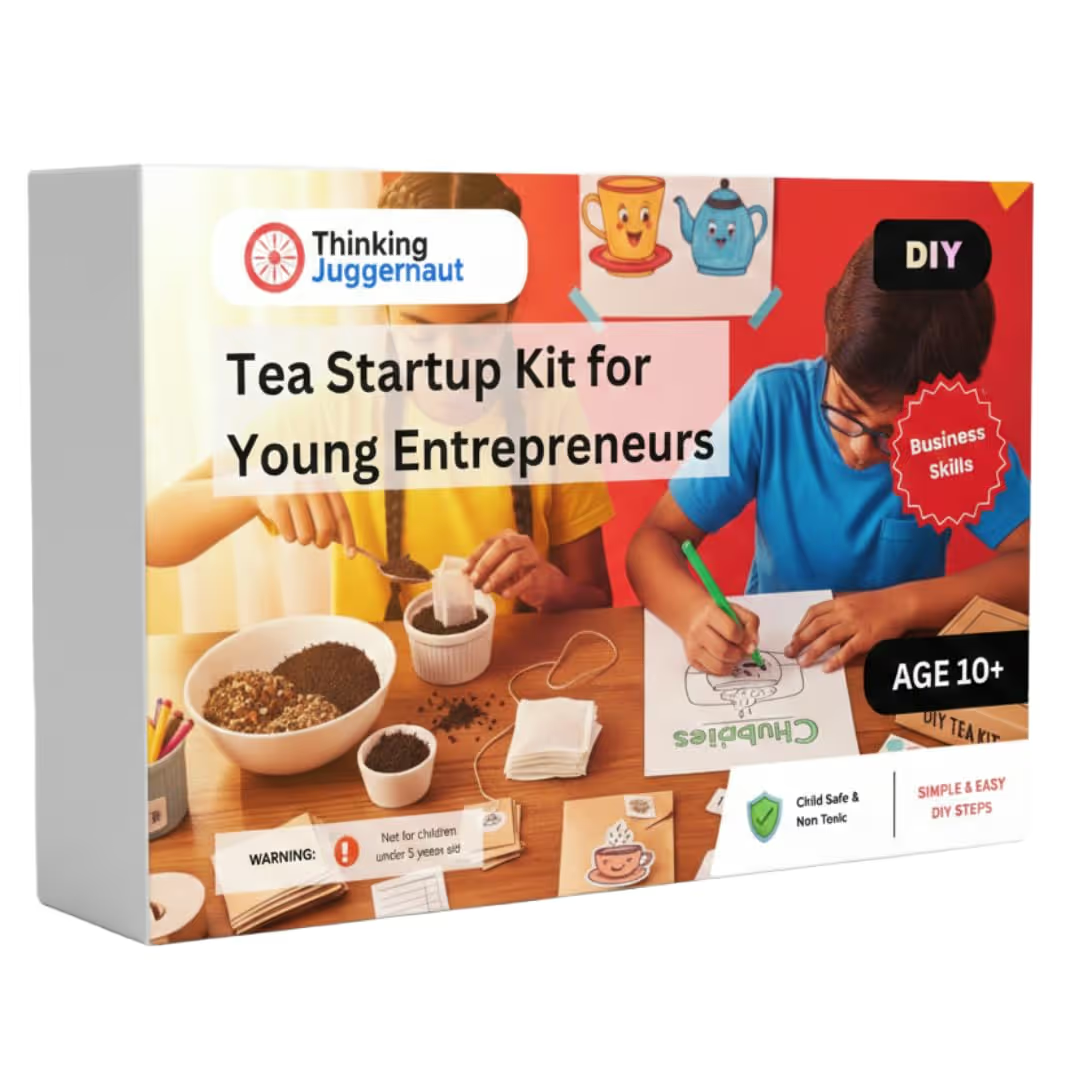
Hands-on kit to learn real world business skills
₹589 FREE Shipping
Entrepreneurship Kit (Age 7+)

Hands-on: Enterprising and Manufacturing
₹799 FREE Shipping
Interdisciplinary STEM Kit (Age 10+)
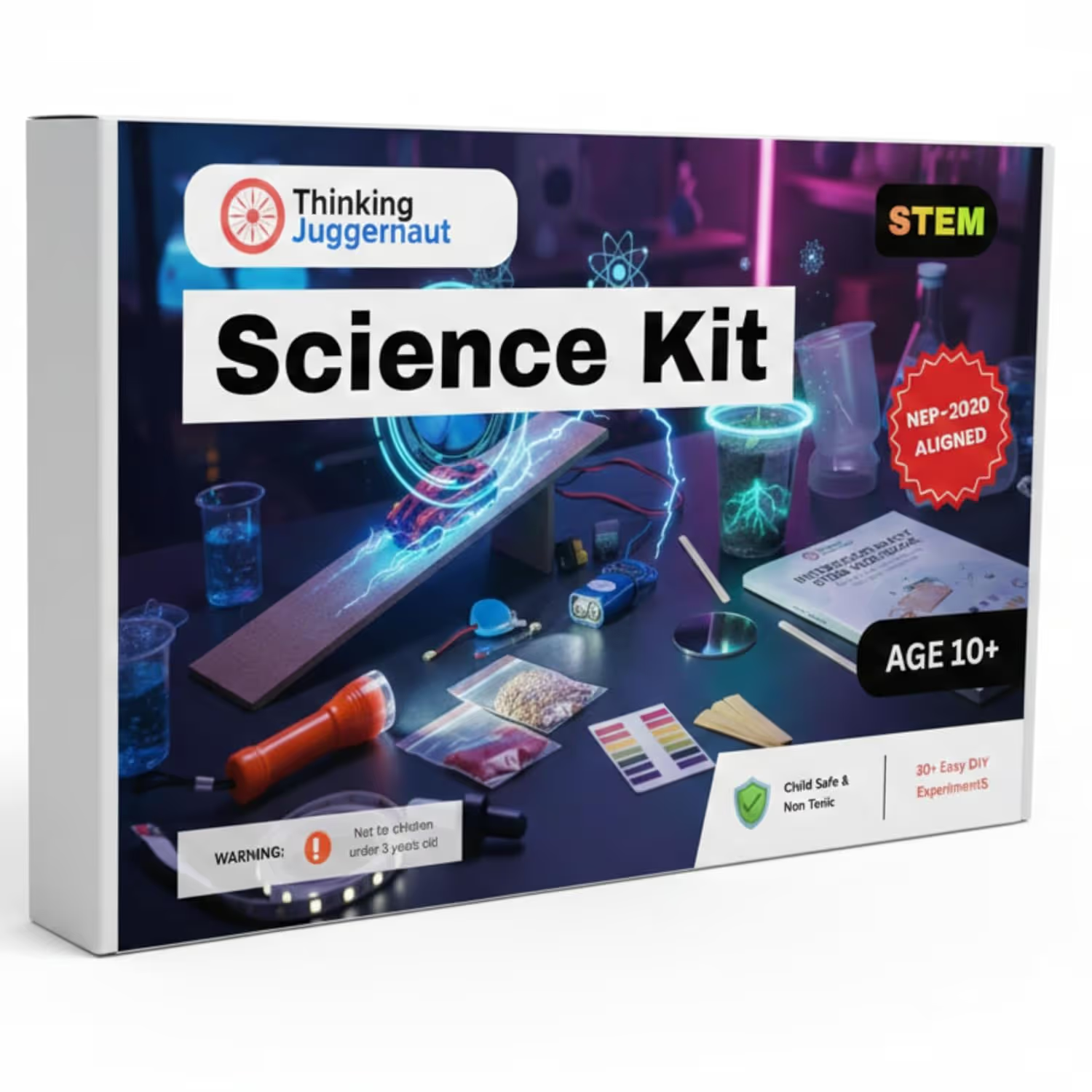
30 Experiments:
NEP-2020 aligned
₹879 FREE Shipping
Interdisciplinary STEM Kit (Age 7+)
.jpg)
30 Experiments:
NEP-2020 Aligned
₹879 FREE Shipping
Chess Starter Kit for Kids
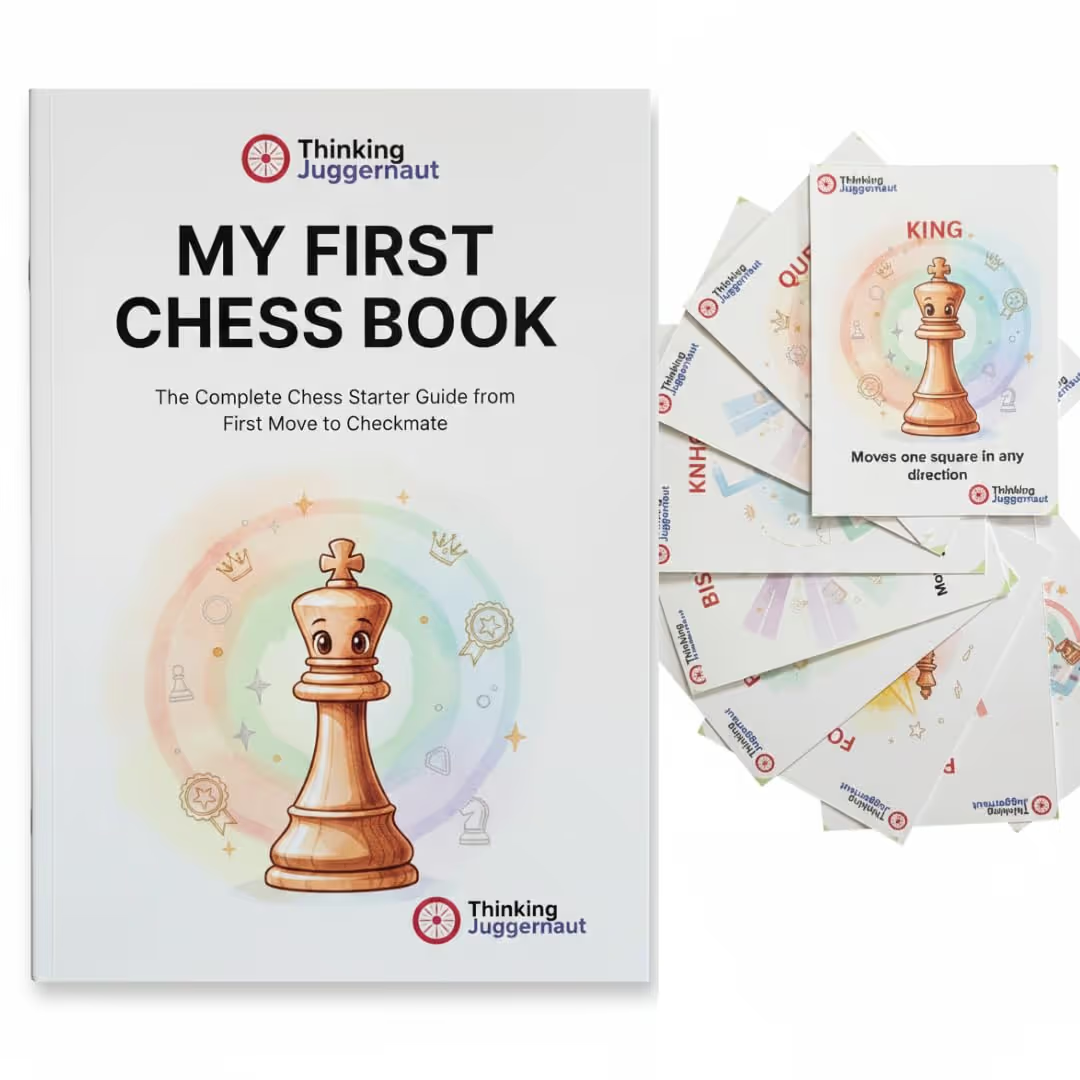
Introduce your child to CHESS!
₹999 FREE Shipping
Finance Literacy Kit for Kids (Age 7+)

Don't wait till adulthood to teach money skills!
₹599 FREE Shipping
Finance Literacy Kit for Kids (Age 10+)
Start early. Build financial confidence for life.
₹599 FREE Shipping
Indian Knowledge System Kit (Age 10+)
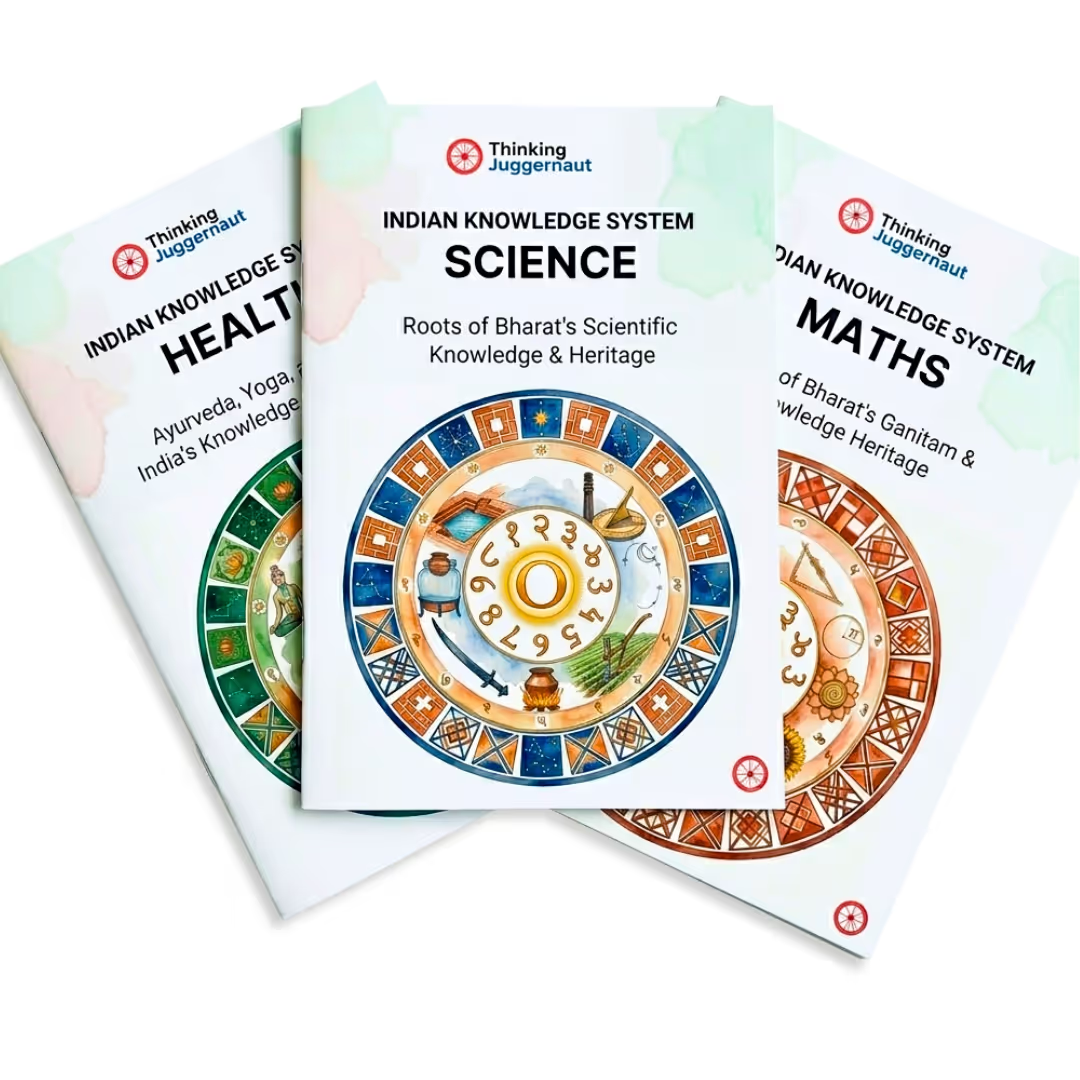
Learn India’s Knowledge Systems (IKS)
₹799 FREE Shipping
AI Discovery Kit (Age 10+)
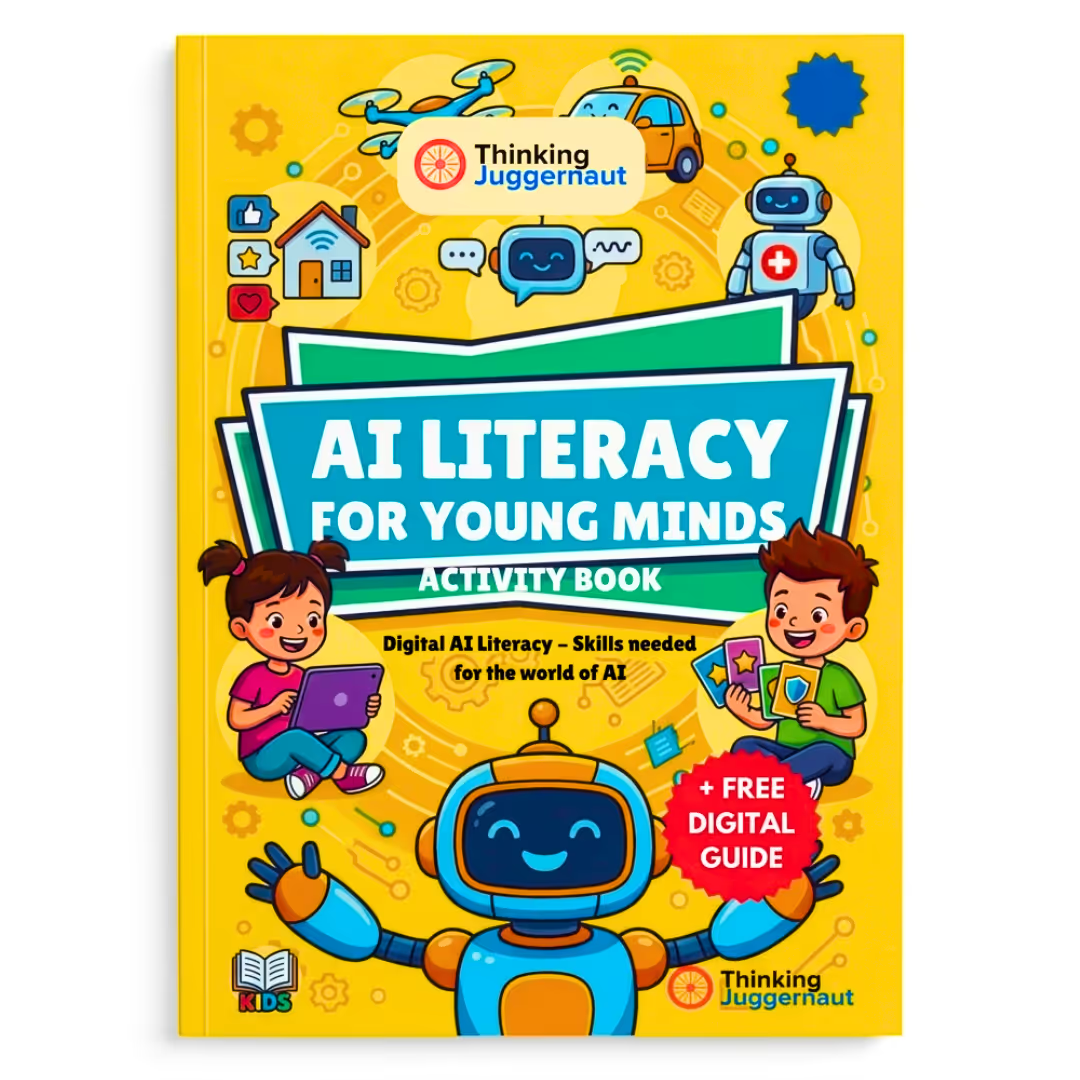
Digital AI Literacy - Skills needed for the world of AI
₹479 FREE Shipping
Sanskrit Learning Books for Kids
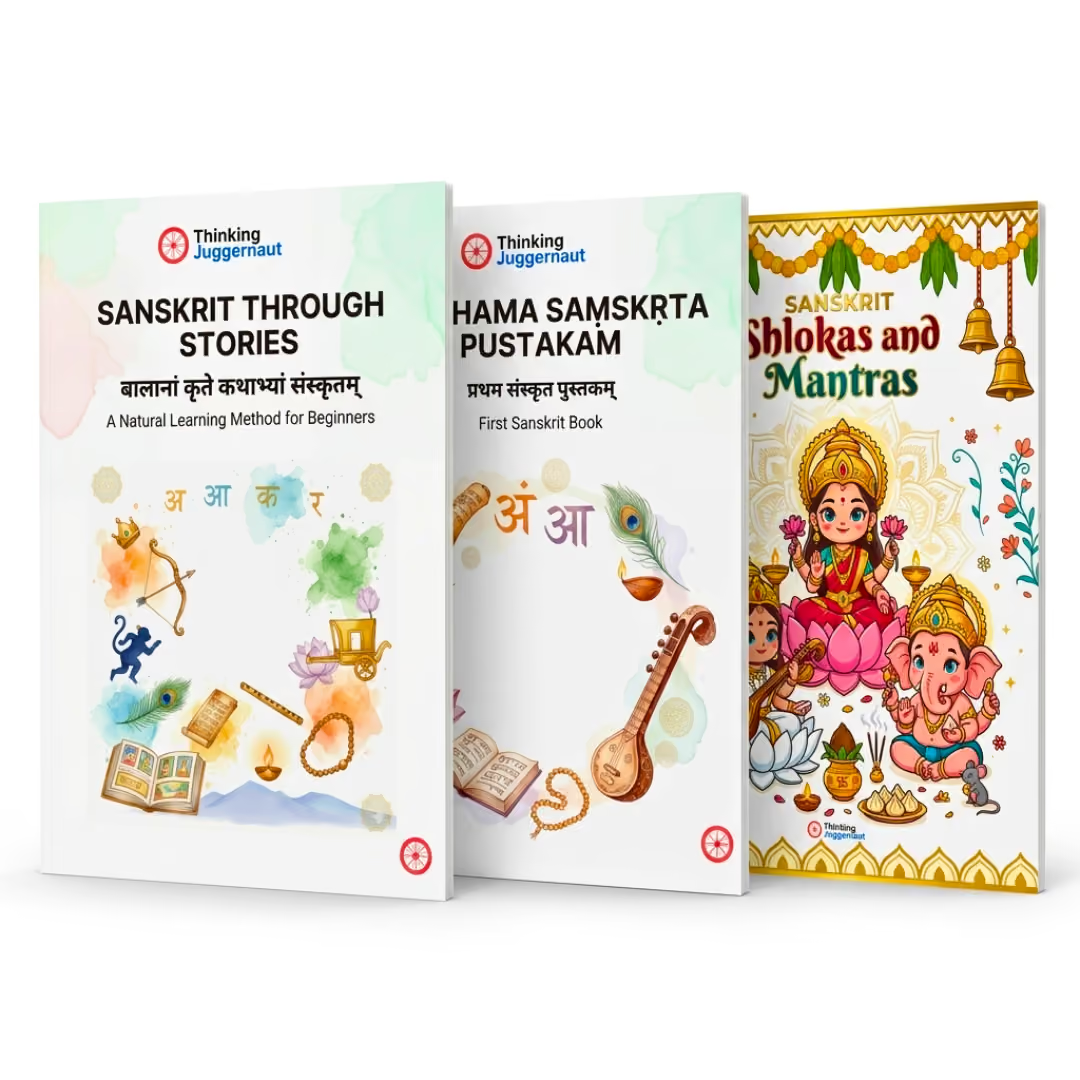
A hands-on introduction to Sanskrit
₹599 FREE Shipping
Applied Maths Project Kit (Age 7+)
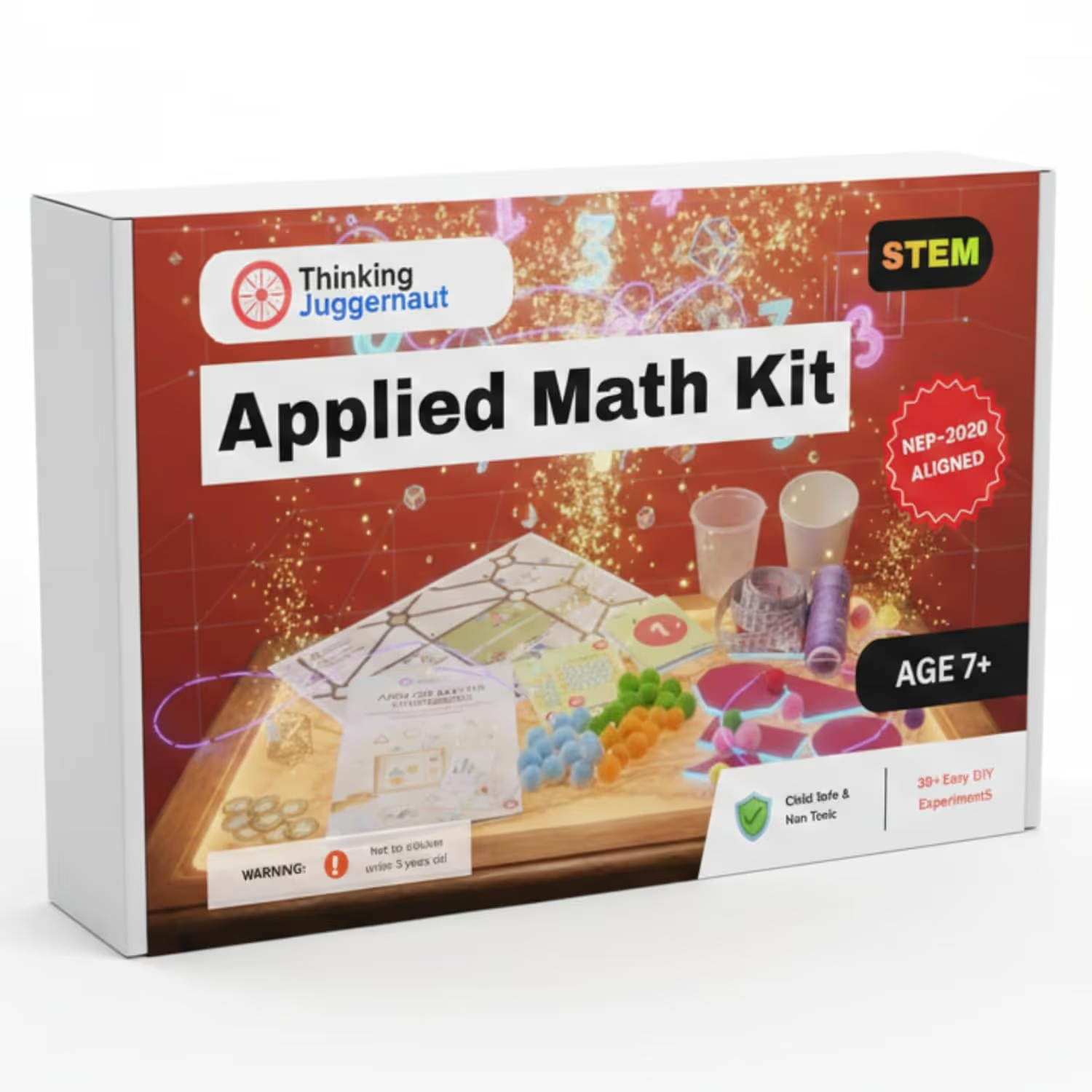
30 Experiments:
NEP-2020 aligned
₹599 FREE Shipping
Applied Maths Project Kit (Age 10+)

30 Experiments:
NEP-2020 aligned
₹599 FREE Shipping
Computational Thinking Workbook
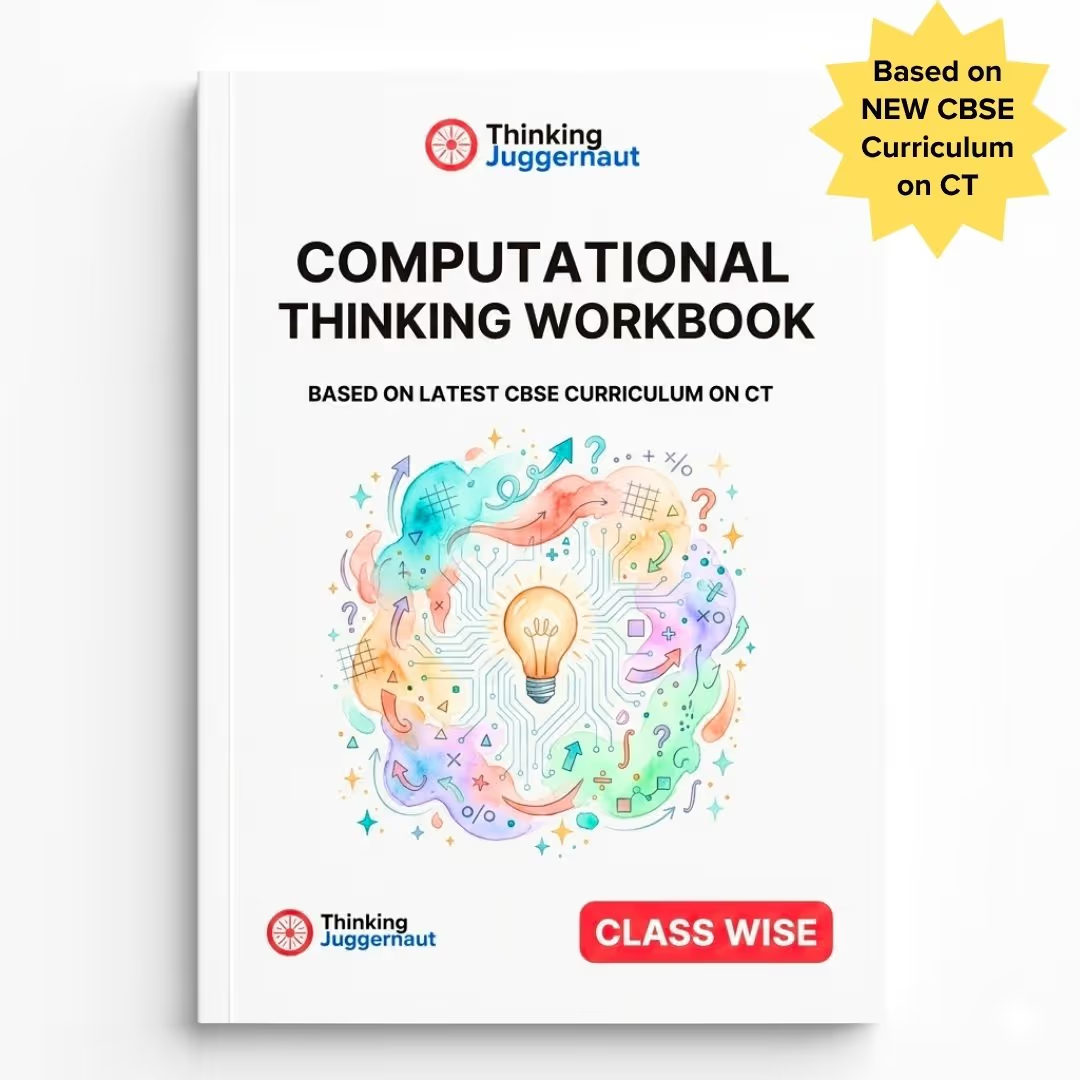
Covers 4 core skills
NEP-2020 Aligned
₹499 FREE Shipping
Almost there!
We will confirm your order on WhatsApp
Order placed!
Thank you! You will receive a WhatsApp confirmation shortly.