Specialized congruence worksheet for Class 7 with 15 progressive problems focusing on identifying congruent triangles using SSS, SAS, ASA, and RHS criteria. Includes real-world applications, proofs, and complete solutions with detailed explanations.
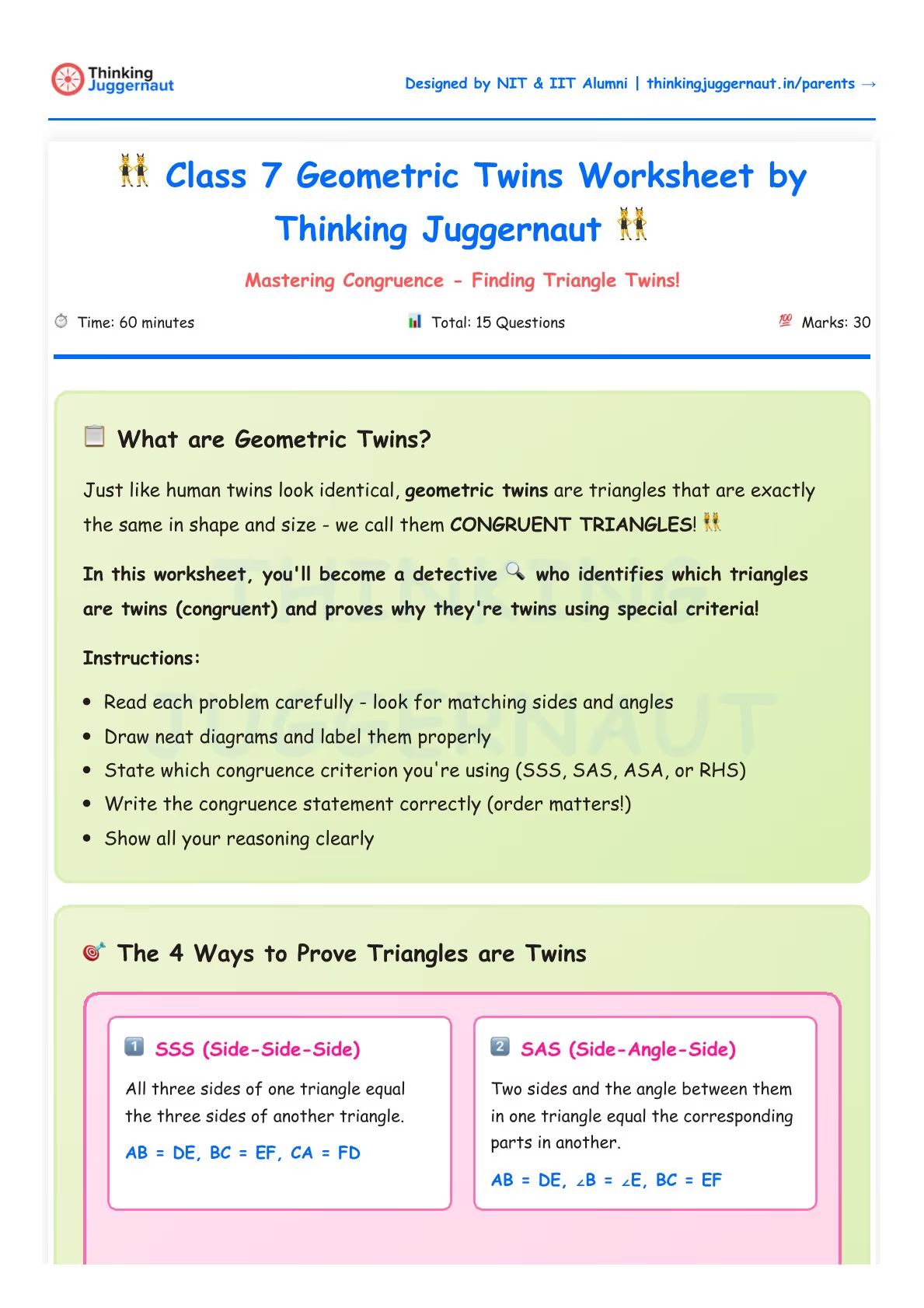
Just like human twins look identical, geometric twins are triangles that are exactly the same in shape and size - we call them CONGRUENT TRIANGLES!
In this worksheet, you'll become a detective who identifies which triangles are twins (congruent) and proves why they're twins using special criteria!
All three sides of one triangle equal the three sides of another triangle.
AB = DE, BC = EF, CA = FD
Two sides and the angle between them in one triangle equal the corresponding parts in another.
AB = DE, ∠B = ∠E, BC = EF
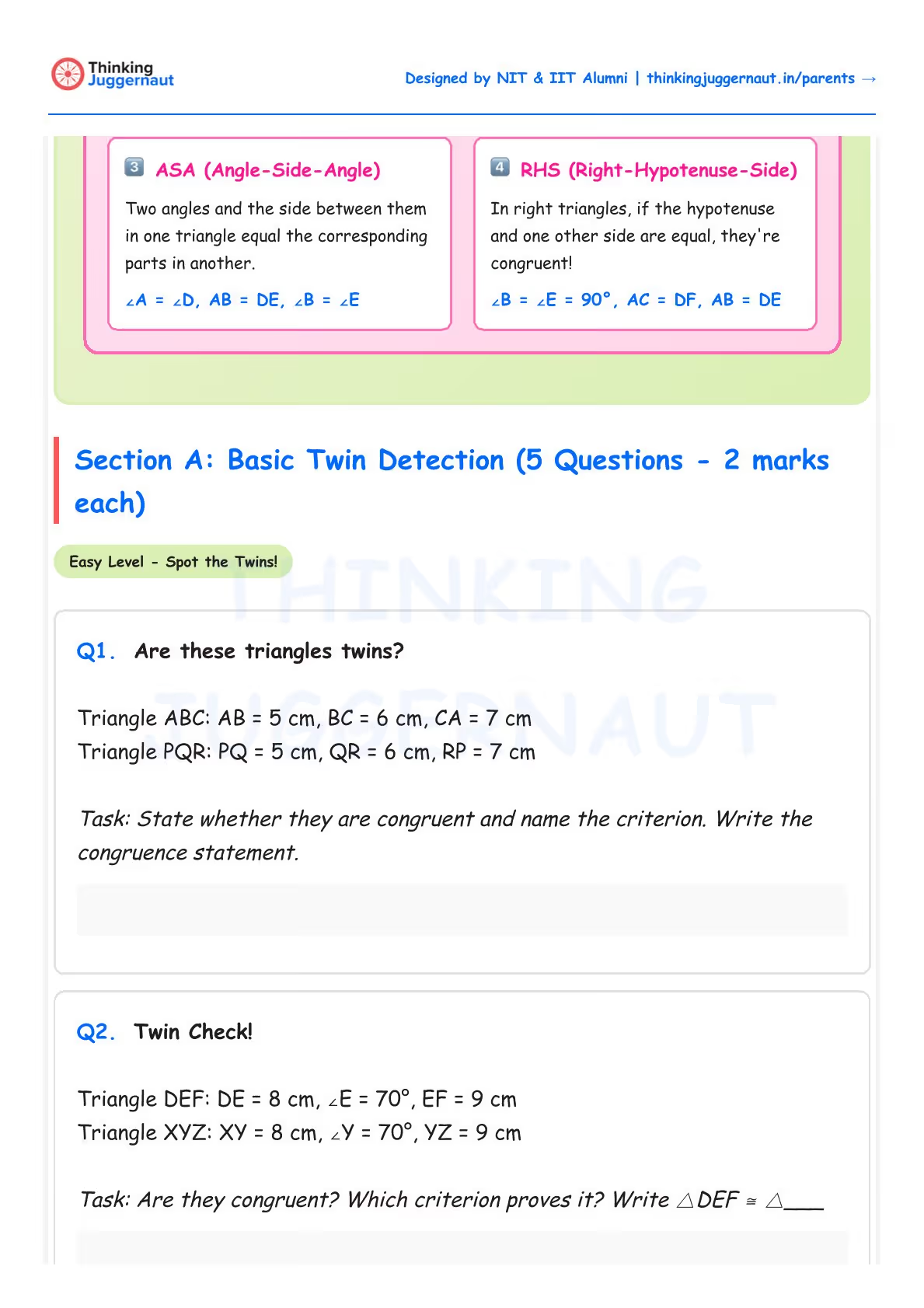
Two angles and the side between them in one triangle equal the corresponding parts in another.
∠A = ∠D, AB = DE, ∠B = ∠E
In right triangles, if the hypotenuse and one other side are equal, they're congruent!
∠B = ∠E = 90°, AC = DF, AB = DE
Problem: In triangles ABC and XYZ, AB = 6 cm, BC = 8 cm, ∠B = 90°, XY = 6 cm, YZ = 8 cm, and ∠Y = 90°. Are they twins (congruent)?
Solution:
Step 1: Identify what we know
Both triangles are right-angled (∠B = ∠Y = 90°)
AB = XY = 6 cm
BC = YZ = 8 cm
Step 2: Find the hypotenuse using Pythagoras theorem
AC² = AB² + BC² = 6² + 8² = 36 + 64 = 100
AC = 10 cm
Similarly, XZ = 10 cm
Step 3: Apply congruence criterion
Since both are right triangles with equal hypotenuse and one equal side:
△ABC ≅ △XYZ by RHS criterion
Answer: Yes, they are geometric twins!
Triangle ABC: AB = 5 cm, BC = 6 cm, CA = 7 cm. Triangle PQR: PQ = 5 cm, QR = 6 cm, RP = 7 cm. Are they congruent?
Triangle ABC: ∠B = 90°, AC (hypotenuse) = 13 cm, AB = 5 cm. Triangle PQR: ∠Q = 90°, PR = 13 cm, PQ = 5 cm. Prove congruence using RHS
In triangle ABC, AB = AC (isosceles). D is the midpoint of BC. AD is the median. Prove that △ABD ≅ △ACD
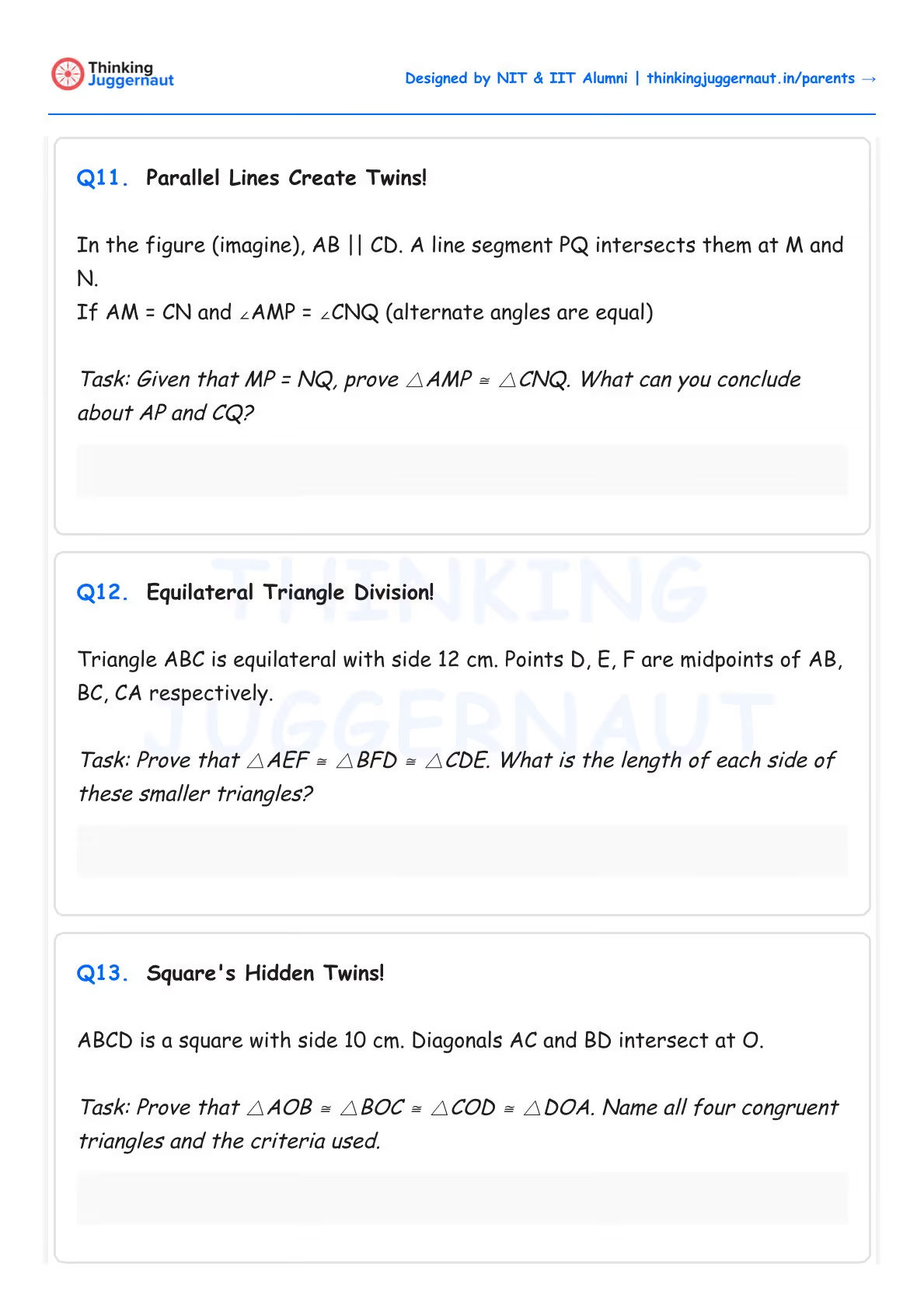
Triangle ABC is equilateral with side 12 cm. Points D, E, F are midpoints of AB, BC, CA respectively. Prove that △AEF ≅ △BFD ≅ △CDE
ABCD is a square with side 10 cm. Diagonals AC and BD intersect at O. Prove that △AOB ≅ △BOC ≅ △COD ≅ △DOA
You have 6 sticks: two of 5 cm, two of 7 cm, and two of 9 cm. If you make two triangles using all 6 sticks, will they be congruent? Which criterion proves it?
26-30 marks: Master Detective - You've mastered congruence!
21-25 marks: Expert Detective - Excellent understanding!
16-20 marks: Good Detective - You're getting there!
11-15 marks: Junior Detective - Keep practicing!
Below 11 marks: Apprentice Detective - Review the concepts and try again!
Remember the 4 Criteria: Memorize SSS, SAS, ASA, and RHS - these are your detective tools!
Draw and Label: Always draw neat diagrams with proper labels - visual representation helps identify twins
Order Matters: When writing △ABC ≅ △DEF, corresponding vertices must be in matching order
Look for Right Angles: If you see 90°, think RHS for right triangles!
Check Given Information: Count what you know - 3 sides? SSS. 2 sides + included angle? SAS
Don't use AAA (three angles) - it proves similarity, not congruence!
For SAS, the angle must be BETWEEN the two sides
For ASA, the side must be BETWEEN the two angles
RHS only works for RIGHT triangles
Corresponding vertices must match in congruence statements
Not checking if given angle is actually between the two given sides
Always state: "In △___ and △: ... Therefore, △ ≅ △___ by ___ criterion"
Show all corresponding equal parts clearly
State the congruence criterion at the end
Use proper mathematical notation and symbols
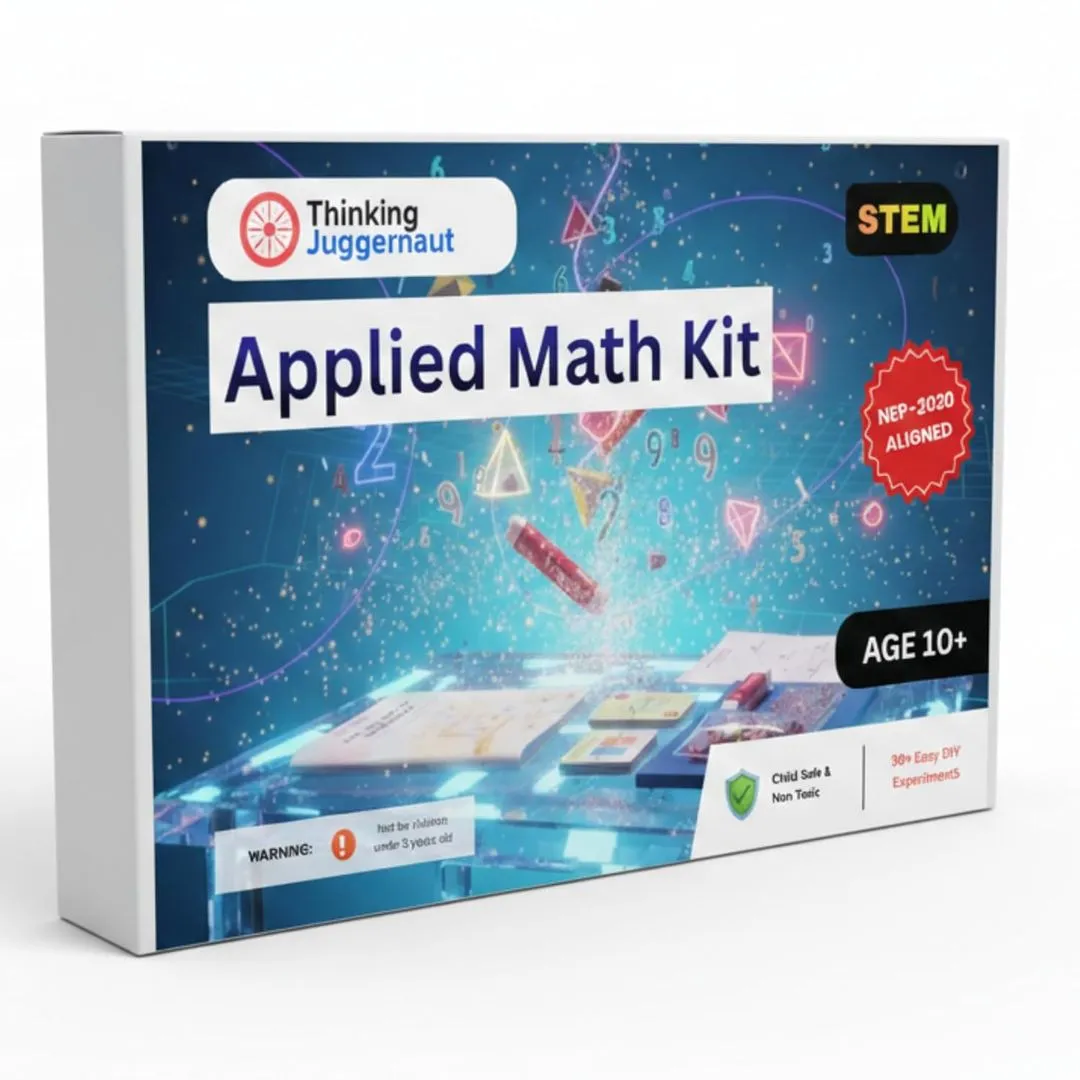
Worksheets build practice. The Applied Maths Project Kit builds understanding — 30 real-world math activities covering the same concepts your child is practising here, from multiplication and grouping to measurement and data.
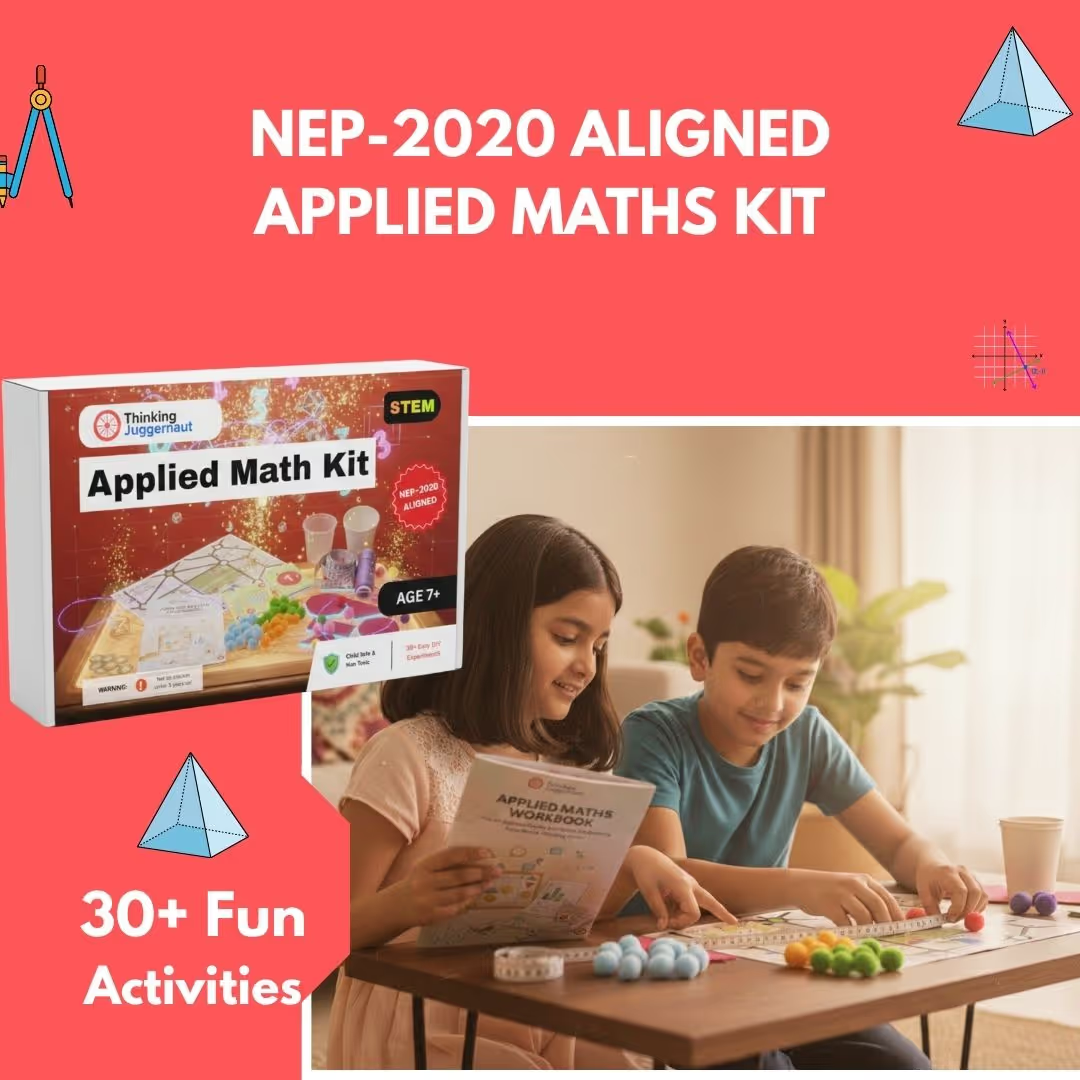
Designed by IIT & NIT Alumni · NEP-2020 aligned · Trusted by parents across India
Class 7 Algebra
Class 7 Algebraic Expressions
Class 7 Data Handling
Class 7 Fractions and Decimals
Class 7 Geometric Twins
Class 7 Geometry
Class 7 Integers
Class 7 Ratio and Proportion
Not in Class 7?
Visit our Main Math Worksheet Hub to explore all printable worksheets from Class 2 to Class 8.
Almost there!
We will confirm your order on WhatsApp
Order placed!
Thank you! You will receive a WhatsApp confirmation shortly.