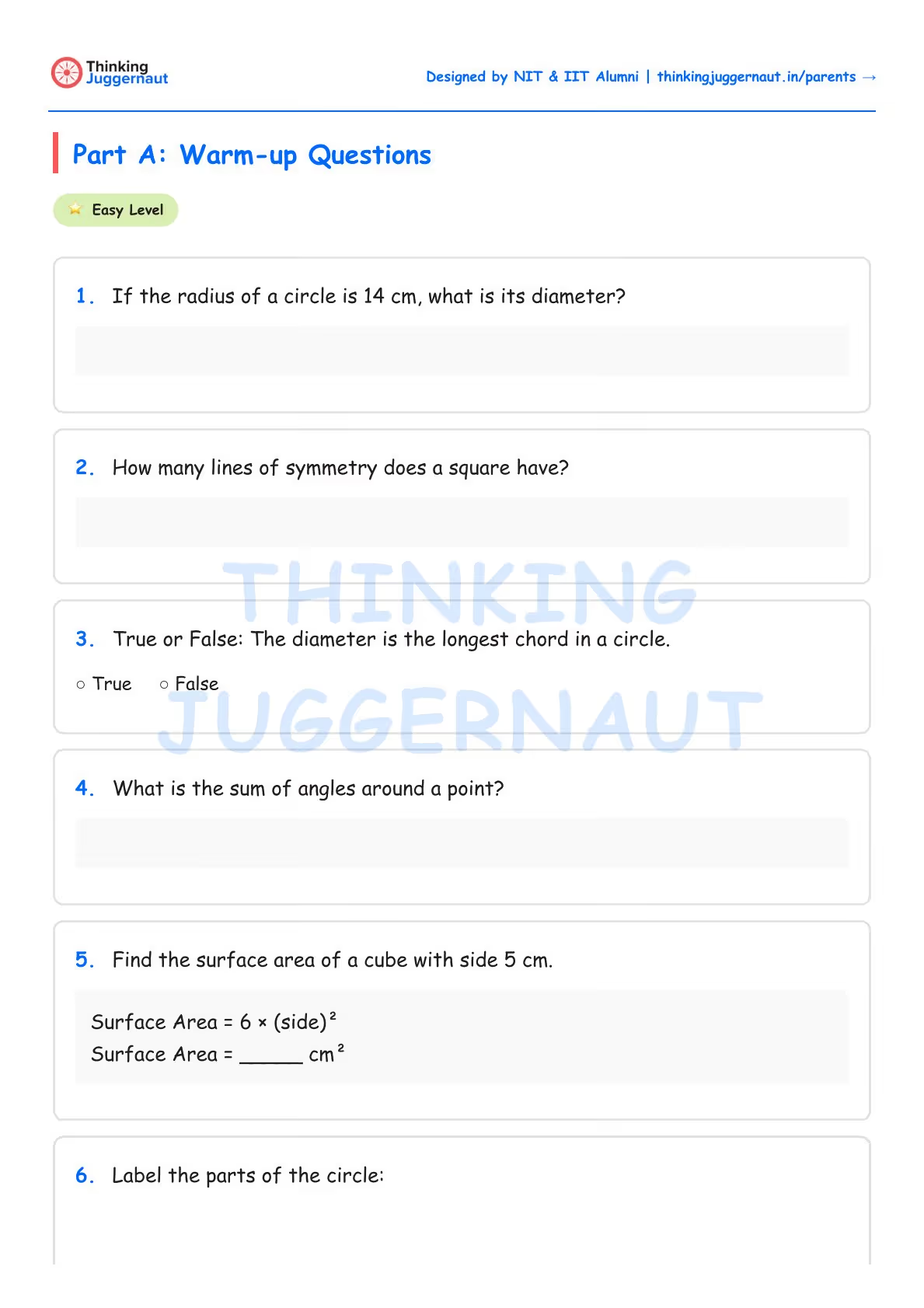
Comprehensive geometry worksheet for Class 6 with 24 problems covering circle terminology, circumference, area, surface area of cube/cuboid/cylinder, lines of symmetry, and constructions. Includes complete solutions with step-by-step working.
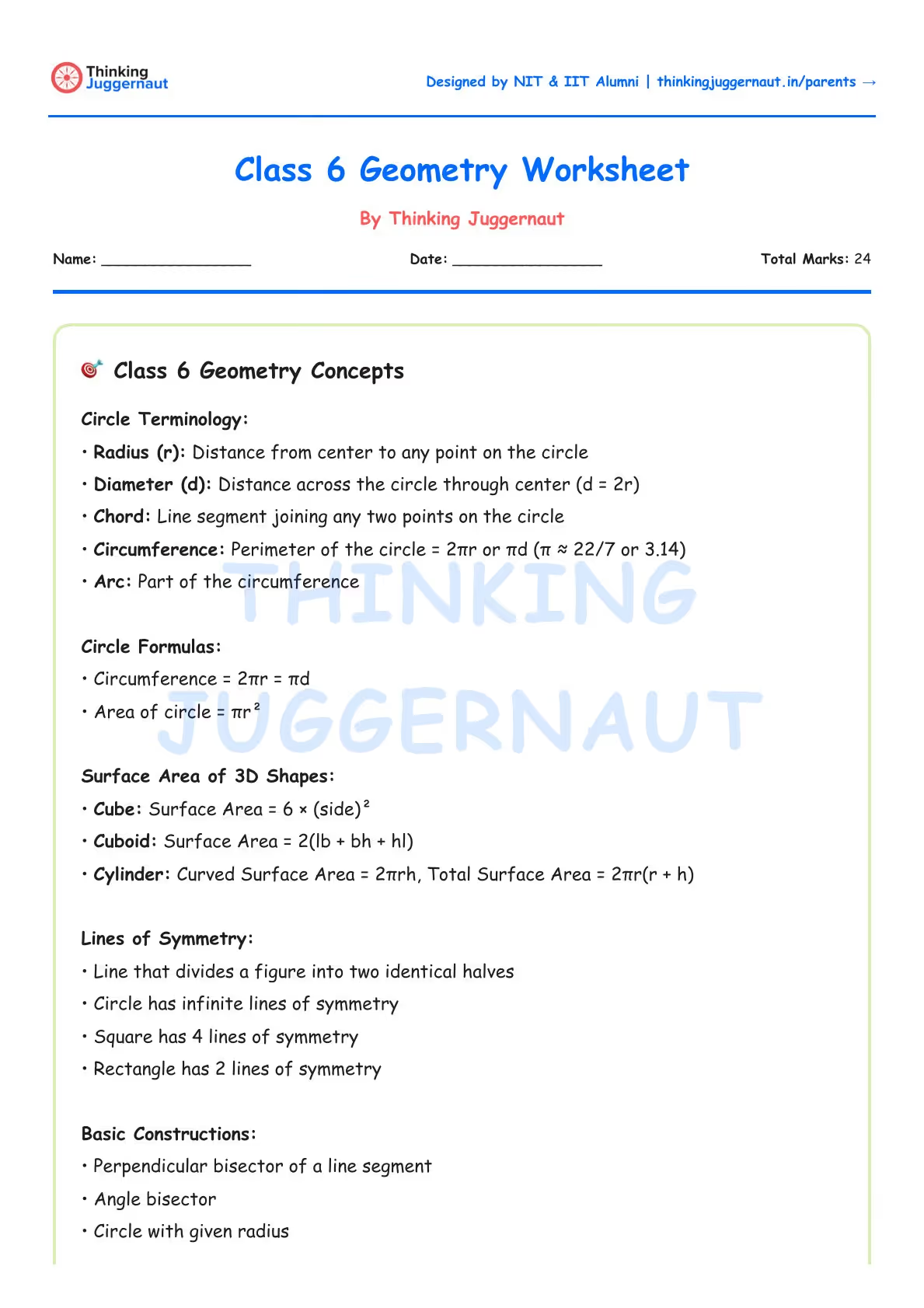
Radius (r): Distance from center to any point on the circle
Diameter (d): Distance across the circle through center (d = 2r)
Chord: Line segment joining any two points on the circle
Circumference: Perimeter of the circle = 2πr or πd (π ≈ 22/7 or 3.14)
Arc: Part of the circumference
Circumference = 2πr = πd
Area of circle = πr²
Cube: Surface Area = 6 × (side)²
Cuboid: Surface Area = 2(lb + bh + hl)
Cylinder: Curved Surface Area = 2πrh, Total Surface Area = 2πr(r + h)
Line that divides a figure into two identical halves
Circle has infinite lines of symmetry
Square has 4 lines of symmetry
Rectangle has 2 lines of symmetry
Perpendicular bisector of a line segment
Angle bisector
Circle with given radius
Perpendicular to a line from a point
Linear Pair: Adjacent angles on a straight line (sum = 180°)
Angles around a point: Sum = 360°
Reflex Angle: Angle between 180° and 360°
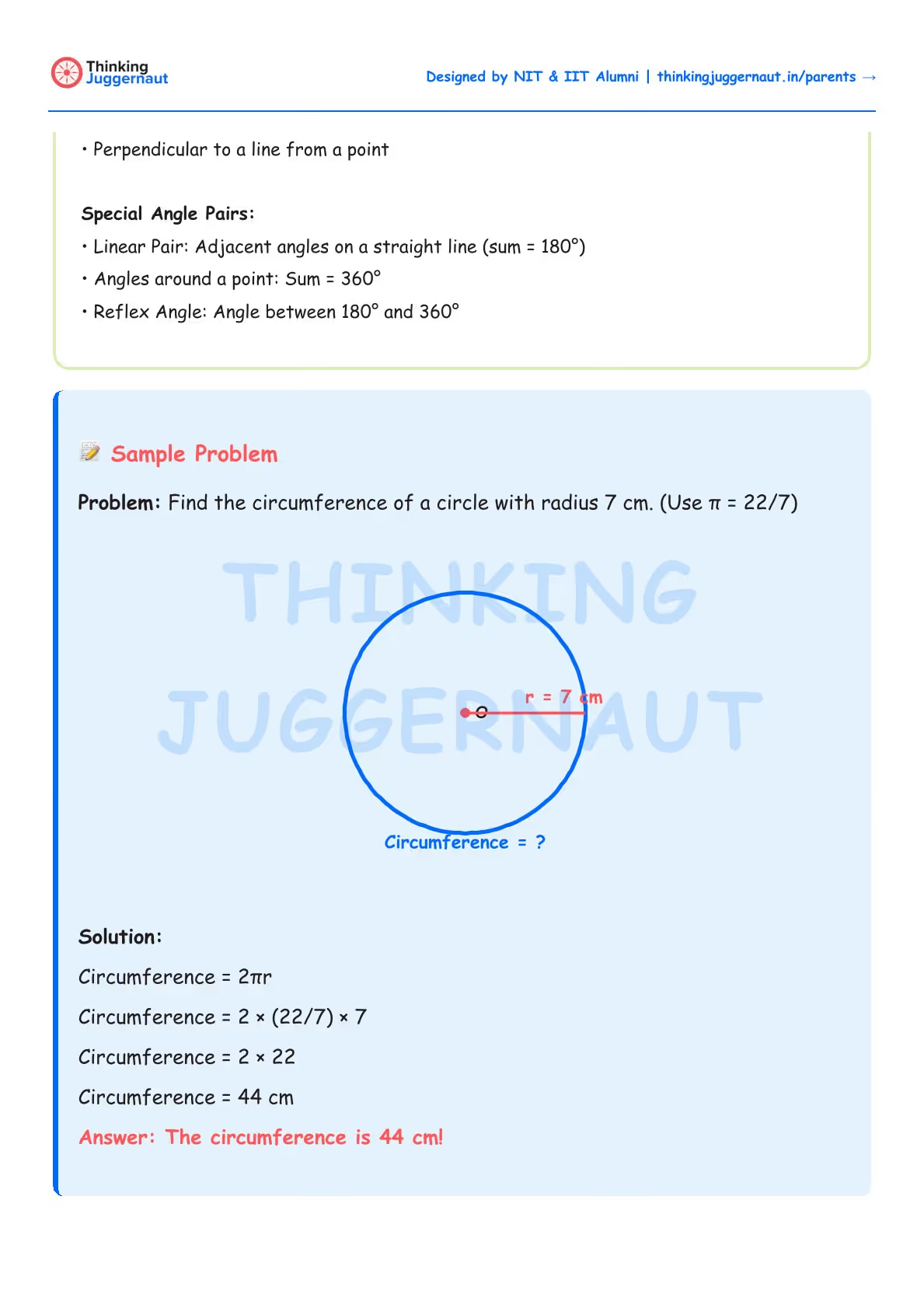
Problem: Find the circumference of a circle with radius 7 cm. (Use π = 22/7)
Solution:
Circumference = 2πr
Circumference = 2 × (22/7) × 7
Circumference = 2 × 22
Circumference = 44 cm
Answer: The circumference is 44 cm!
If the radius of a circle is 14 cm, what is its diameter?
Find the surface area of a cube with side 5 cm
Find the circumference of a circle with diameter 21 cm (Use π = 22/7)
Find the area of a circle with radius 7 cm (Use π = 22/7)
A cuboid has length 10 cm, width 6 cm, and height 4 cm. Find its total surface area
The circumference of a circle is 44 cm. Find its radius (Use π = 22/7)
A cylindrical water tank has radius 3.5 m and height 6 m. Find its curved surface area
A circular park has a diameter of 140 m. A path 7 m wide runs around the outside of the park. Find the area of the path
20-24 correct: Excellent! Outstanding performance! You've mastered Class 6 geometry. Next steps: Explore advanced circle theorems, learn about sectors and segments, study properties of parallel lines and transversals, practice advanced constructions, and begin exploring mensuration of irregular shapes.
15-19 correct: Very Good! Great job! You understand circles and surface area well. Focus on: Master circle formulas (circumference and area). Practice surface area problems for all 3D shapes. Work on complex word problems involving circles. Understand the relationship between radius, diameter, and circumference.
10-14 correct: Good Effort! Good start! You're learning advanced concepts. Work on: Memorize π = 22/7 and practice using it in formulas. Learn surface area formulas one shape at a time. Practice identifying parts of a circle. Understand lines of symmetry in regular shapes.
0-9 correct: Keep Trying! Don't give up! These concepts need practice. Start with: Learn the relationship between radius and diameter first. Practice circumference before area. Understand what π represents. Draw circles and label all parts. Work on basic surface area (cube) before complex shapes.
Remember: diameter = 2 × radius (d = 2r)
Circumference = 2πr OR πd (both work!)
Area = πr² (radius must be squared)
Use π = 22/7 for calculations (unless told to use 3.14)
Cube: SA = 6a² (6 faces, each face = a²)
Cuboid: SA = 2(lb + bh + hl)
Cylinder: CSA = 2πrh, TSA = 2πr(r + h)
Remember: Surface area is total area of all faces
Radius: Center to edge (half of diameter)
Diameter: Longest chord, passes through center
Chord: Any line joining two points on circle
Arc: Part of the circle's edge
Circumference: Distance around the circle (perimeter)
Circle: Infinite lines of symmetry
Square: 4 lines (2 diagonals + 2 through midpoints)
Rectangle: 2 lines (through midpoints of opposite sides)
Equilateral triangle: 3 lines
Regular pentagon: 5 lines, hexagon: 6 lines
For "path around" problems: Find outer area - inner area
For wire bending problems: Perimeter stays same
Always check units: convert cm to m if needed
Draw diagrams for word problems
Label all given information on your diagram
Don't confuse radius and diameter
Area formulas use r², not r
Don't forget to multiply by π in circle formulas
Surface area needs ALL faces, not just one
Cancel π/7 with 7 before multiplying large numbers
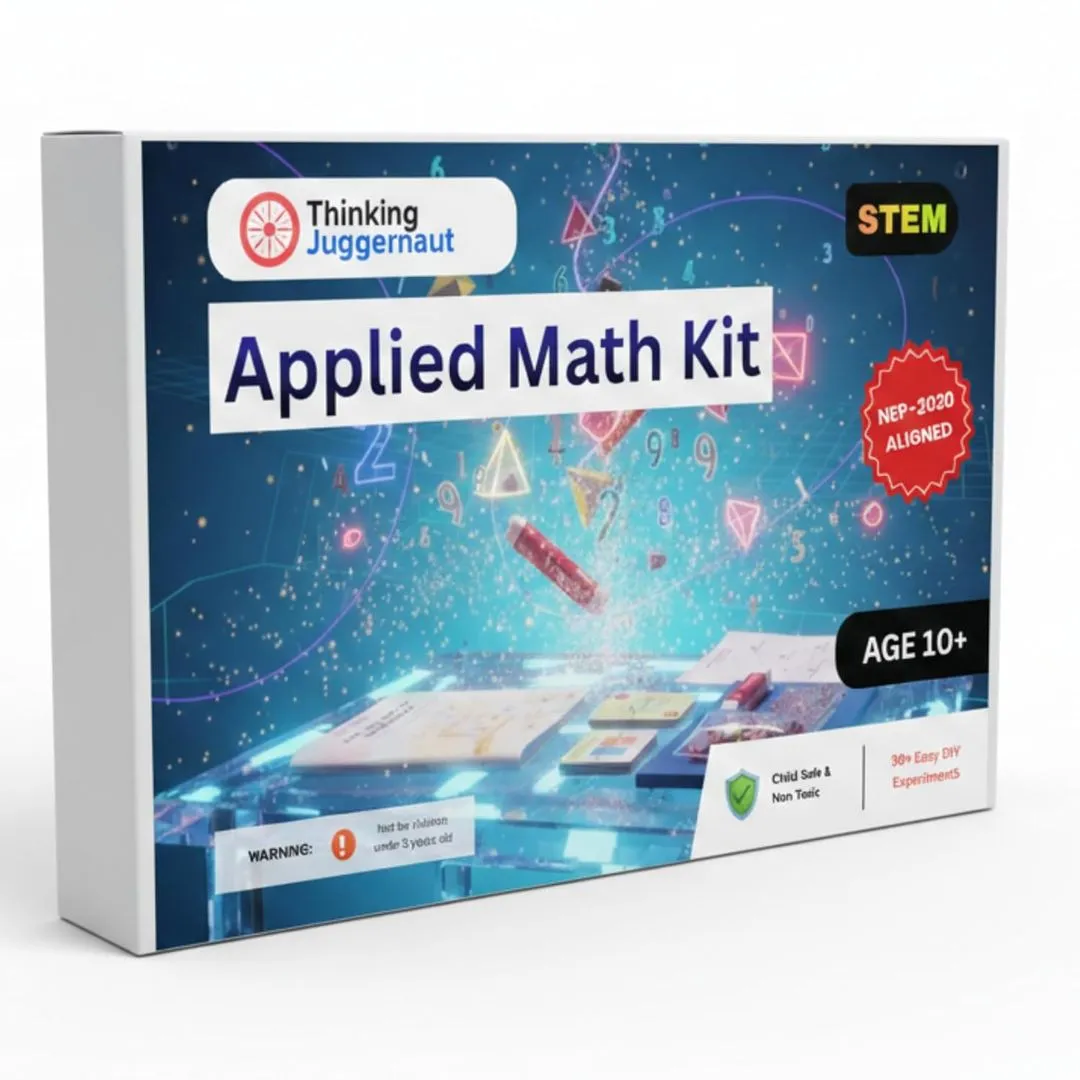
Worksheets build practice. The Applied Maths Project Kit builds understanding — 30 real-world math activities covering the same concepts your child is practising here, from multiplication and grouping to measurement and data.
Designed by IIT & NIT Alumni · NEP-2020 aligned · Trusted by parents across India
Class 6 Percentage
Class 6 Fractions and Decimals
Class 6 Algebra
Class 6 Data Handling
Class 6 Geometry
Class 6 Integers
Class 6 Integer Subtraction Drill
Class 6 Ratio and Proportion
Not in Class 6?
Visit our Main Math Worksheet Hub to explore all printable worksheets from Class 2 to Class 8.
Almost there!
We will confirm your order on WhatsApp
Order placed!
Thank you! You will receive a WhatsApp confirmation shortly.