Word problems are real-life situations where multiplication is the tool — but the skill is recognising when to use it. That recognition doesn't come from tables practice alone. It comes from reading carefully, spotting the right words, and understanding what equal groups look like in context.
5 boxes of ladoos with 6 in each box. 4 rows of flowers with 6 in each row. 6 trips carrying 45 passengers each.
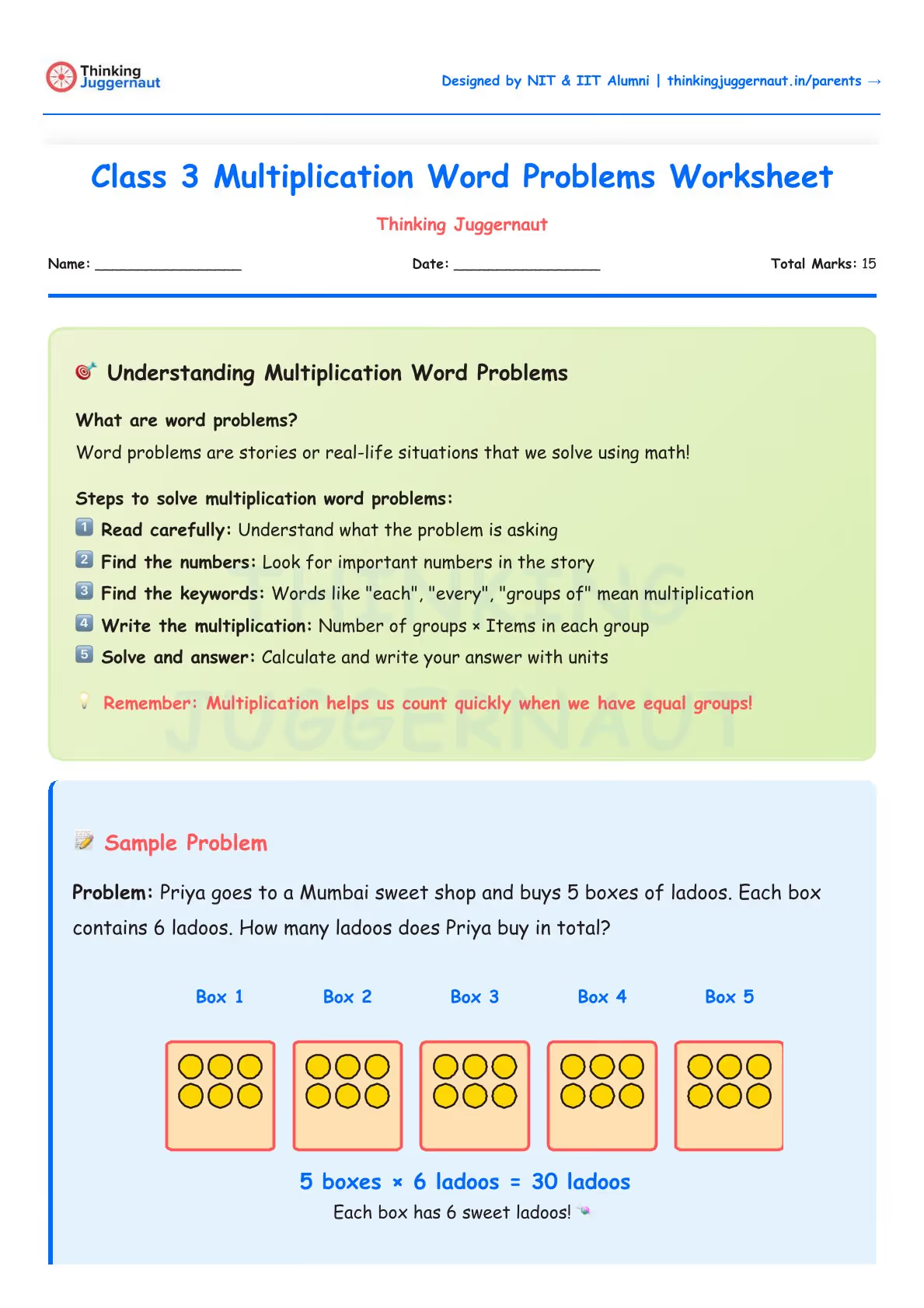
Example: 5 boxes × 6 ladoos = 30 ladoos
Instead of adding 6 + 6 + 6 + 6 + 6, we multiply: 5 × 6 = 30
This worksheet builds that reading-first habit through 15 structured problems
Problem: Priya buys 5 boxes of ladoos from a Mumbai sweet shop. Each box contains 6 ladoos. How many ladoos does Priya buy in total?
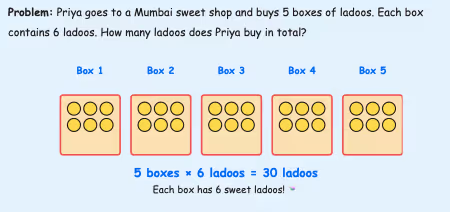
Solution:
Step 1 — Read carefully: Understand what the problem is actually asking before touching any numbers.
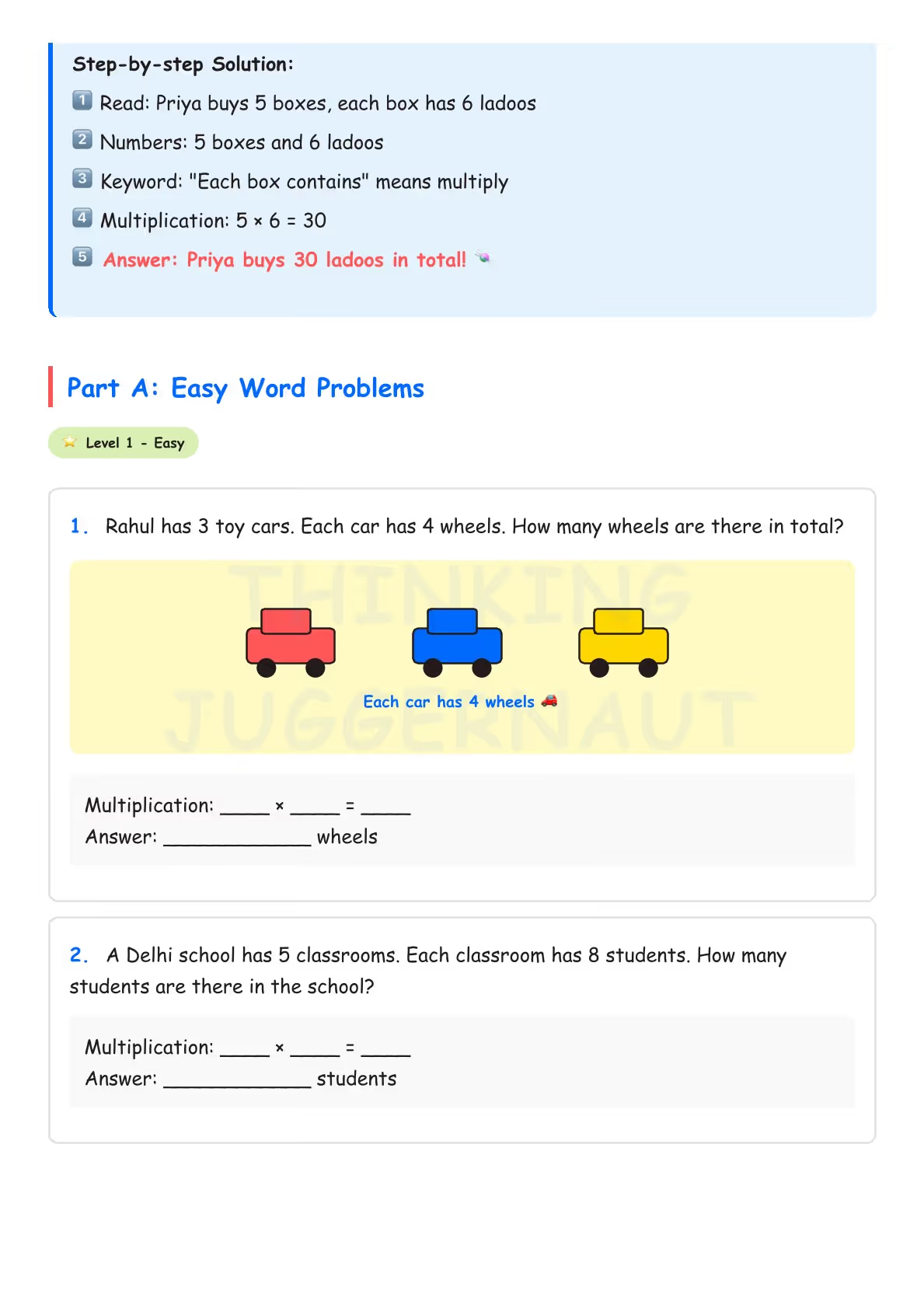
Priya buys 5 boxes, each box has 6 ladoos
Step 2 — Find the numbers: Identify the two key quantities — how many groups, and how many in each group.
5 boxes and 6 ladoos
Step 3 — Find the keywords: Words like each, every, per, groups of, and times signal multiplication. Spotting these is the core skill this worksheet builds.
"Each box contains" means multiply
Step 4 - Write the Multiplication: Groups × items per group = total. Always set it up before solving.
5 × 6 = 30
Step 5 - Answer: Priya buys 30 ladoos in total!
Teaching children to follow these steps consistently — even on easy problems — is what makes hard problems manageable.
Multiplication Terms:
Total/Sum Terms:
15 problems across 3 levels, all set in Indian everyday contexts — sweet shops in Mumbai, gardens in Bangalore, cricket teams in Pune, toy shops in Jaipur.
Part A – Easy Word Problems (Level 1 ⭐)
6 problems including one MCQ. Problems use tables 2 to 10 in straightforward single-step situations. The focus is on correctly identifying the two numbers and writing the multiplication sentence.Sample: Rahul has 3 toy cars. Each car has 4 wheels. How many wheels in total?
Part B – Medium Word Problems (Level 2 ⭐⭐)
6 problems including two MCQs. Numbers get larger — up to 11 × 3 and 6 × 45 — and contexts require more careful reading to identify which number is the group and which is the item.Sample: A bus makes 6 trips a day. Each trip carries 45 passengers. How many passengers travel in total?
Part C – Challenge Word Problems (Level 3 ⭐⭐⭐)
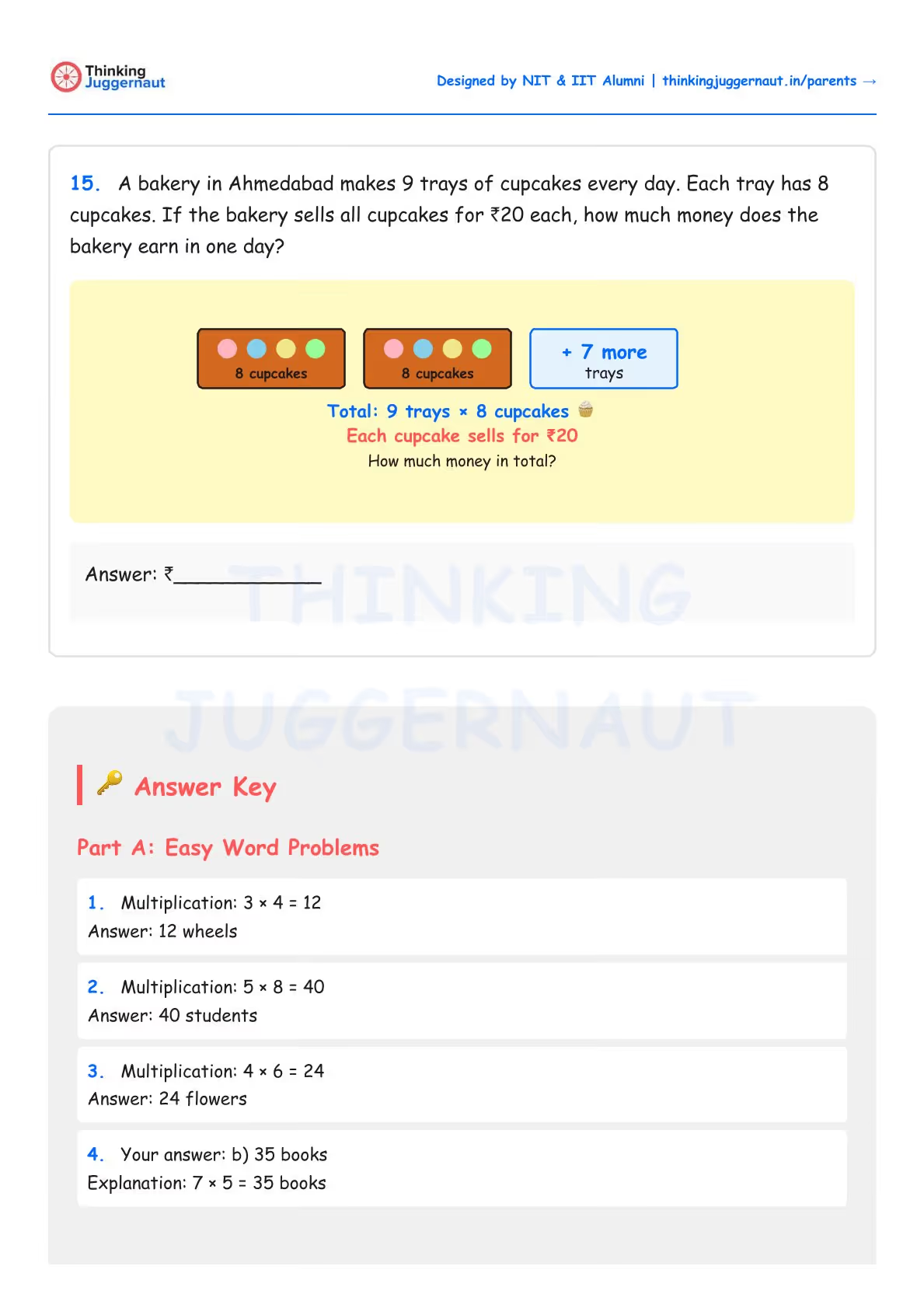
3 problems, each requiring two or three steps. Children must multiply first, then apply a second operation — subtraction or another multiplication. The final problem involves three steps: find total cupcakes, then calculate total earnings.Sample: A bakery makes 9 trays of cupcakes. Each tray has 8 cupcakes. If each cupcake sells for ₹20, how much does the bakery earn?
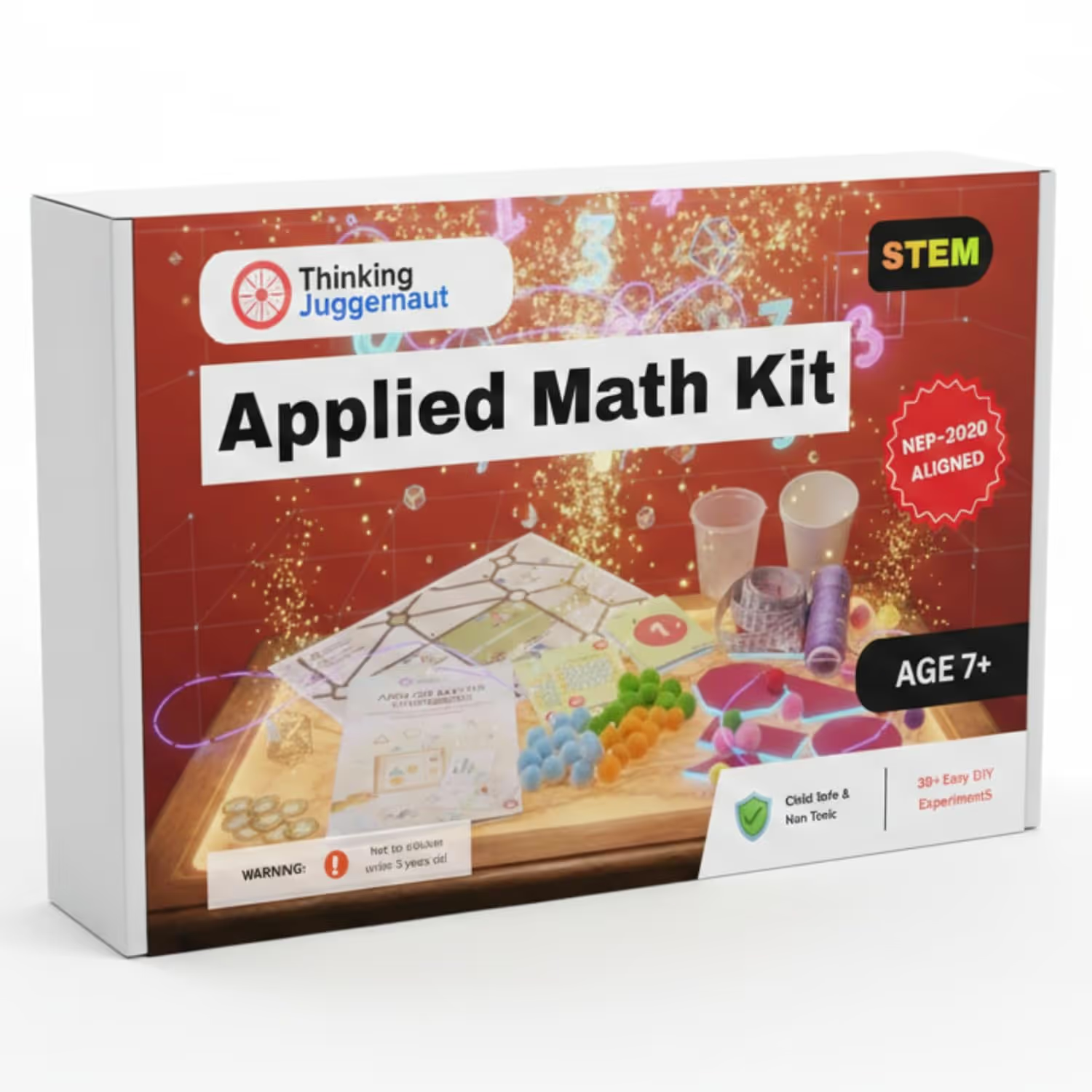
The 5-step method works on paper. The Applied Maths Project Kit (Age 7+) makes the same thinking process physical — children plan routes, share objects equally, measure real distances, and calculate totals using actual materials.

This kit takes the same concepts your child is practising on this worksheet and brings them into the real world.
Explore Thinking Juggernaut math kit here
Common Mistakes to Avoid:
Top 5 Pro-Tips:
Download the complete worksheet here. The PDF includes all 15 problems across 3 difficulty levels, illustrated examples, MCQ format questions, and a full answer key with step-by-step working for every challenge problem.
Total Questions: 15 | Total Marks: 15
Score: 13 – 15 (Excellent! ⭐⭐⭐)
Score: 10 – 12 (Very Good! ⭐⭐)
Score: 7 – 9 (Good Effort! ⭐)
Score: 0 – 6 (Keep Trying!)
What is a multiplication word problem?
A multiplication word problem is a real-life situation written as a story, where the solution requires multiplication. The challenge is not the calculation — it's identifying that multiplication is the right operation. Keywords like each, every, and per signal equal groups, which is the core structure multiplication solves.
What keywords signal multiplication in Class 3 word problems?
The most common keywords are each, every, per, times, and groups of. This worksheet includes a dedicated keywords section and trains children to underline these words before writing any multiplication. Recognising these patterns is a transferable skill that applies across all multiplication word problems in Class 3 and beyond.
How is this different from a regular multiplication worksheet?
A regular multiplication worksheet gives children the equation and asks them to solve it — 6 × 8 = ____. A word problems worksheet gives them a situation and asks them to first figure out what equation to write. This requires reading comprehension, logical reasoning, and the ability to translate language into math — skills that NEP-2020 specifically emphasises over rote calculation.
What is the 5-step method used in this worksheet?
The 5-step method teaches children to: (1) read carefully, (2) find the numbers, (3) identify multiplication keywords, (4) write the multiplication sentence, and (5) solve and write the answer with units. Every problem in the worksheet is structured around these five steps, including the solved example and the challenge problems where the steps are printed as scaffolding.
Is this worksheet suitable for Class 3 CBSE students?
Yes. The problems cover topics within the Class 3 maths syllabus — single-step and two-step multiplication word problems using tables up to 10, with money and measurement contexts. The MCQ format also prepares children for the question styles used in school assessments.
How long does this worksheet take to complete?
Part A typically takes 10–15 minutes. Part B takes another 15 minutes given the larger numbers. Part C requires careful reading and two-step working, so allow 10–15 minutes. Total: 35–45 minutes for a full sitting, or it can be split across two sessions with Part C on its own.
Worksheets build practice. The Applied Maths Project Kit builds understanding covering the same concepts your child is practising here. A hands-on math kit inspired by NEP 2020’s vision of learning mathematics as thinking, connecting, and applying, not just solving equations.

Designed by IIT & NIT Alumni · NEP-2020 aligned · Trusted by parents across India
Class 3 Multiplication Word Problems
Class 3 Division Word Problems
Not in Class 3?
Visit our Main Math Worksheet Hub to explore all printable worksheets from Class 2 to Class 8.
Almost there!
We will confirm your order on WhatsApp
Order placed!
Thank you! You will receive a WhatsApp confirmation shortly.