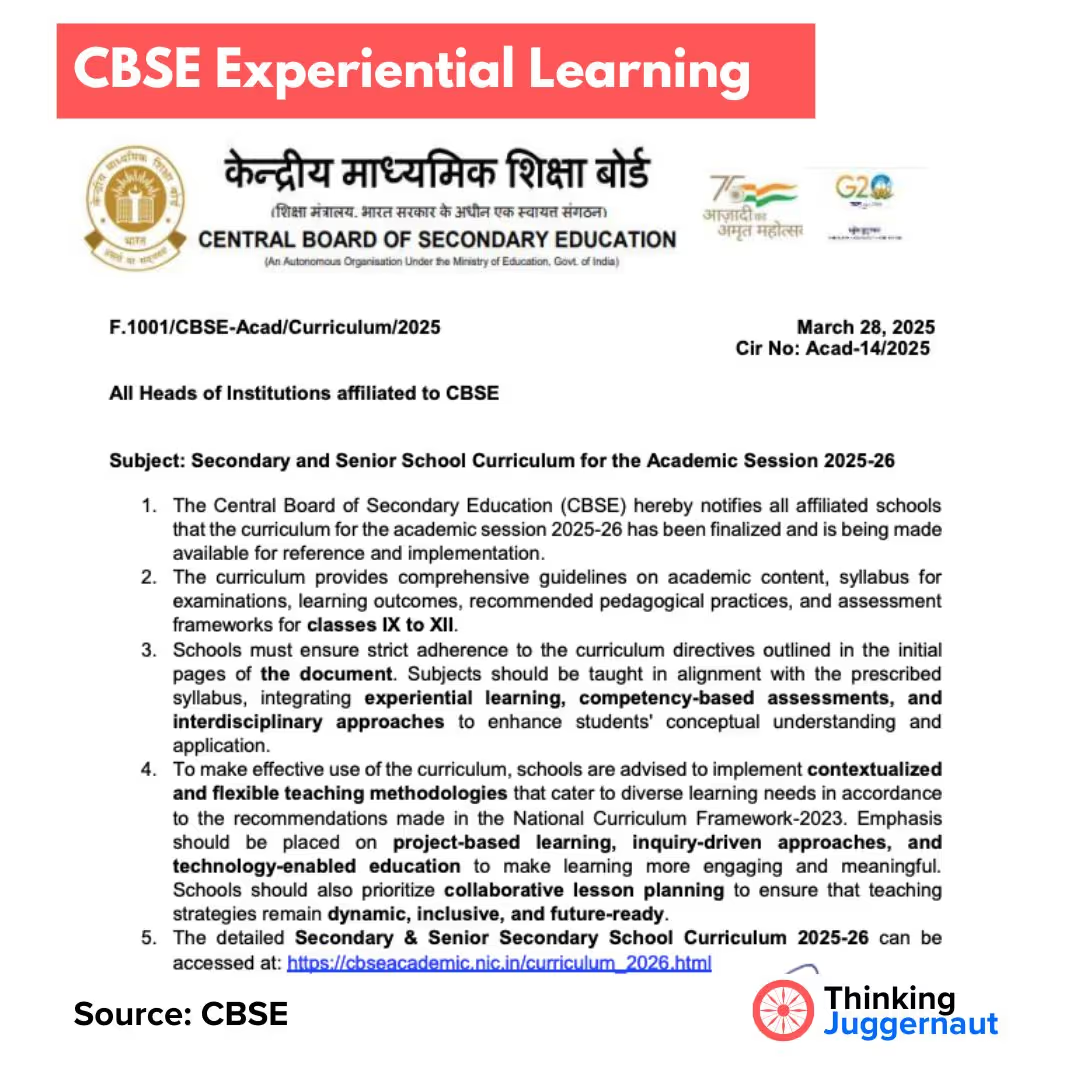
CBSE on Experiential Learning: "Subjects should be taught in alignment with the prescribed syllabus, integrating experiential learning, competency-based assessments, and interdisciplinary approaches."
— CBSE Circular No. 14/2025 (March 2025)

CBSE has made experiential learning mandatory, not optional. But between understanding what CBSE requires and actually implementing it in your school, there's a gap.
This guide decodes CBSE's official circulars, explains the assessment framework, and shows exactly how schools should implement experiential learning to meet Board requirements.
According to CBSE circulars, schools must:
This isn't a suggestion. It's a compliance requirement for all CBSE-affiliated schools.
Traditional rote learning produces students who:
CBSE's shift toward experiential learning aims to develop competencies—the ability to actually USE knowledge in new situations.
Regulate the percentage of competency-based questions in exams. Here's what changed:
Old Assessment:
New Competency-Based Assessment:
CBSE's internal assessment now requires:
What this means: Schools must integrate arts (visual, performing, literary) into science, math, social studies—showing connections between subjects.
But, what is experiential learning? Read on here
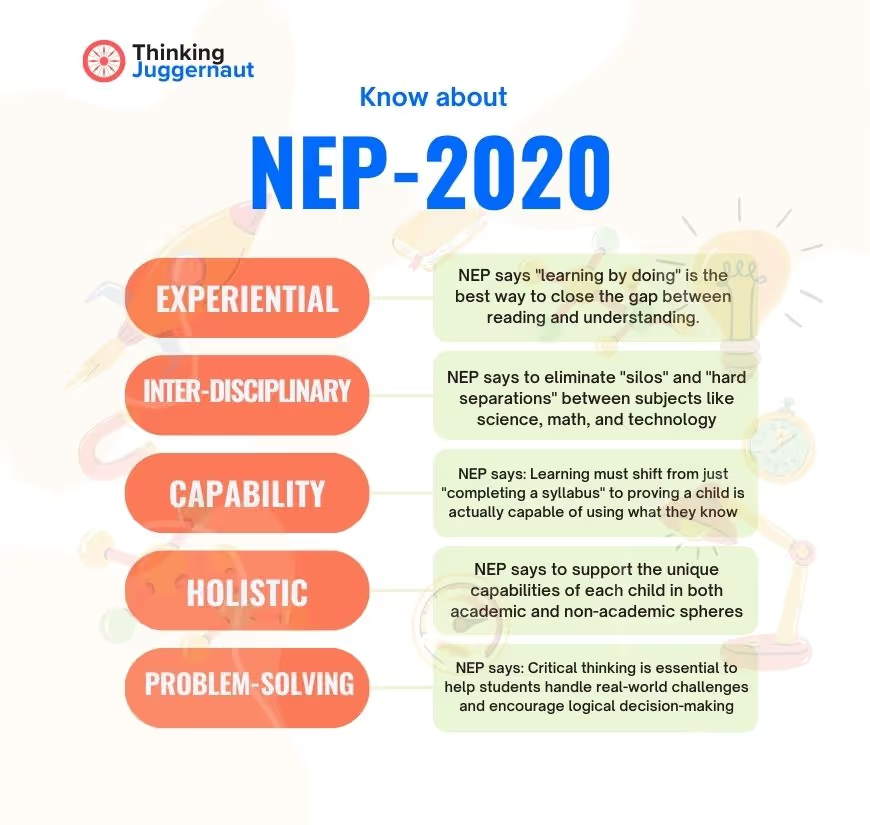
CBSE has aligned curriculum with NCERT's Learning Outcomes. These outcomes specify what students should be able to DO after learning.
Example Learning Outcomes (Class 8 Science):
Old objective: "Student knows about force and pressure"
CBSE Learning Outcome: "Student can:
Every experiential activity must target specific learning outcomes.
CBSE Circular No. 01/2025 on Skill Education introduces skill modules from Classes 6-12.
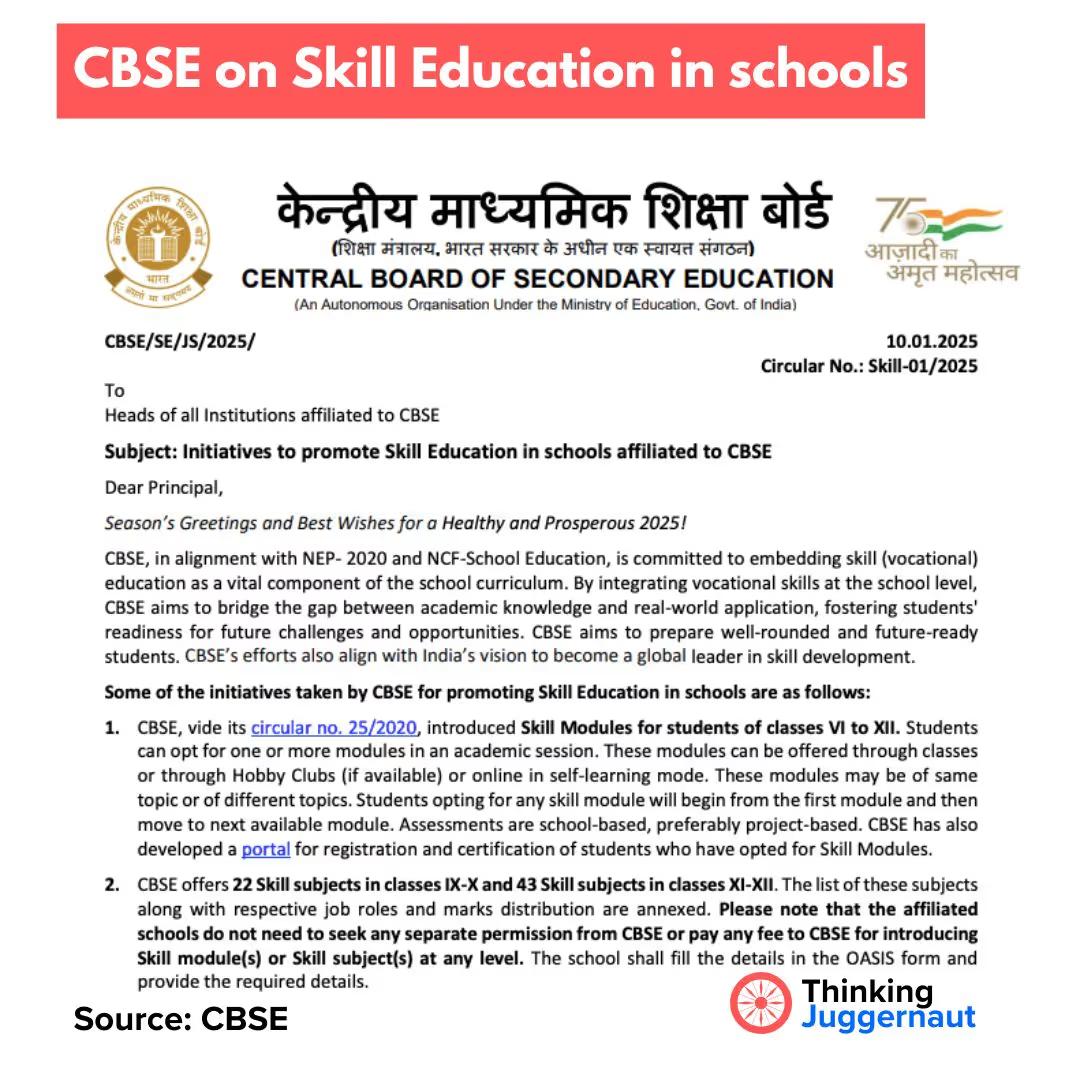
Key Features:
Examples: Coding, AI, marketing, tourism, agriculture, beauty & wellness, healthcare
Why this matters: CBSE is integrating vocational skills with academic learning—all using experiential approaches.
CBSE's stance: Experiential learning isn't EXTRA. It's THE way to teach the syllabus.
Solution: Don't add activities. Transform how you teach existing topics. One well-designed experiential lesson can cover multiple learning outcomes.
CBSE provides:
Use these official tools—don't create from scratch.
The shift: CBSE is changing exam patterns to include more competency-based questions.
Communicate: Show parents that experiential learning leads to BETTER exam performance (deeper understanding = better retention = higher scores).
CBSE's Alternative Academic Calendar (Circular 30/2020) provides:
Additionally: Ready-made solutions like Thinking Juggernaut's Kits provide all materials and CBSE-aligned guides, eliminating sourcing burden.
![[background image] electronics workbench](https://cdn.prod.website-files.com/6867e17b7728d4dad1984de4/6971df3fc68f17192e35e18a_NEP%202020%20Experiential%20Learning.avif)
![[digital project] image of past client project on a magazine page](https://cdn.prod.website-files.com/6867e17b7728d4dad1984de4/6972ee0bf80a40e0e1fc016a_15.avif)
![[digital project] image of past client project on a magazine page](https://cdn.prod.website-files.com/6867e17b7728d4dad1984de4/6971ec2d29d12c20984b2c4e_Gemini_Generated_Image_v2dmwrv2dmwrv2dm.avif)
Almost there!
We will confirm your order on WhatsApp
Order placed!
Thank you! You will receive a WhatsApp confirmation shortly.